The film industry in one place - Articles, Reviews, trailers and hype!

Monday, 1 April 2019

Official Trailer for Indie Film 'Bardo Blues' Follows a Man in Thailand

Bardo Blues Trailer

"She's only going to take you further into hell!" Freestyle DM has released an official US trailer for an indie drama titled Bardo Blues, which first premiered at festivals back in 2017 and is just now getting a VOD release. Bardo Blues is directed by actress / producer Marcia Kimpton, who also co-stars in the film, co-wrote the screenplay, and produced it (and did all her own makeup - according to Trivia on IMDb). The story follows a mentally ill young man attempting to come to grips with his haunting past (about the mother that abandoned him) by seeking solace and understanding in the unfamiliar Eastern culture of Thailand. It weaves "spiritual awakenings and soulful struggles", and stars Stephen McClintic, Gina Haining, Brian Gross, Natalie Denise Sperl, Tilt Tyree, and Micah Kaneko, plus Kimpton. This does not look good.

Here's the official US trailer (+ poster) for Kimpton & Haining & McAleece's Bardo Blues, from YouTube:

Bardo Blues Poster

Set in Thailand, Bardo Blues follows Jack (Stephen McClintic) as he struggles to learn the truth about the mother that abandoned him and his own reason for existing. Weaving spiritual awakenings and soulful struggles, Bardo Blues will leave you questioning everything you think you know about who you are, where you came from and where you are going. Bardo Blues is directed by filmmaker / actress Marcia Kimpton (making her feature directorial debut, which she already followed up with My Reality), and co-directed by Mark Haining (his first feature) & Justin McAleece (a cinematographer & camera operator, director of Sinister Heaven previously). The screenplay is written by Marcia Kimpton and Anthony Taylor. This initially premiered at the Hollywood Reel Independent Film Festival in 2017. Freestyle DM will release Kimpton & Haining & McAleece's Bardo Blues direct-to-VOD starting May 3rd, 2019 coming up. Anyone?

First Trailer for Jim Jarmusch's New Zombie Film 'The Dead Don't Die'

The Dead Don't Die Trailer

"The road to survival could be a dead end." Focus Features has debuted the first official trailer for the latest Jim Jarmusch film titled The Dead Don't Die, a new zombie thriller from the acclaimed filmmaker. This is expected to premiere at the Cannes Film Festival this summer, but nothing has been announced yet. In the meantime, Focus has given us a first look at Jarmusch's latest and it looks amazingly good. Described as a "hilarious" zombie comedy about a small town (filmed in upstate New York) that becomes overrun by the undead. The remarkable ensemble cast includes Adam Driver, Chloë Sevigny, Tilda Swinton, Steve Buscemi, Austin Butler, Bill Murray, Selena Gomez, Rosie Perez, RZA, Caleb Landry Jones, Carol Kane, with Tom Waits and Danny Glover. And Iggy Pop, as a zombie. Oh yes! Fire this one up.

Here's the first official trailer (+ poster) for Jim Jarmusch's The Dead Don't Die, direct from YouTube:

The Dead Don't Die Poster

The greatest zombie cast ever disassembled! The Dead Don’t Die stars Driver and Murray as local cops who must spring into action when a zombie outbreak begins affecting the town's citizens. The Dead Don't Die is both written and directed by acclaimed American indie filmmaker Jim Jarmusch, director of many great films including Stranger Than Paradise, Down by Law, Mystery Train, Night on Earth, Dead Man, Ghost Dog: The Way of the Samurai, Coffee and Cigarettes, Broken Flowers, The Limits of Control, Only Lovers Left Alive, and Paterson previously. This is expected to premiered at the Cannes Film Festival this summer, but this hasn't been announced yet. Focus Features will release Jarmusch's The Dead Don't Die in select theaters starting June 14th, 2019 in the middle of this summer. First impression? Who's into this?

Final Trailer for Kölsch & Widmyer's Adaptation of King's 'Pet Sematary'

Pet Sematary Trailer

"If you cheat death, there's a price to be paid." Paramount has released a third & final trailer for their new take on Stephen King's Pet Sematary, opening in theaters everywhere this week. This new adaptation sticks close to the story in King's book, about a family that moves to a rural home where they discover a "Pet Sematary" nearby. After the family cat is killed, they bury it in the Pet Sematary and then weird things start to happen, leading to another tragedy. We all know what happens, it's the creepiness that pervades. Jason Clarke & Amy Seimetz star, along with John Lithgow, Alyssa Brooke Levine, Hugo Lavoie, Obssa Ahmed, and Jeté Laurence. The reviews of this have been great so far (see Chris Evangelista's take), with plenty of praise for the terrifying adaptation of the tragic story of the Creed family. In theaters this weekend.

Third & final trailer (+ Dolby poster) for Kevin Kölsch & Dennis Widmyer's Pet Sematary, from YouTube:

Pet Sematary Poster

You can still watch the teaser trailer for Kölsch & Widmyer's Pet Sematary here, or the second trailer here.

Louis Creed (Jason Clarke), his wife Rachel (Amy Seimetz), and their two children Gage and Ellie, move to a rural home where they are welcomed and enlightened about the eerie 'Pet Sematary' located near their home. After the tragedy of their cat being killed by a truck, Louis resorts to burying it in the mysterious pet cemetery, which is definitely not as it seems, as it proves to the Creeds that sometimes, dead is better. Pet Sematary is co-directed by filmmakers Kevin Kölsch & Dennis Widmyer, both directors of the films Absence and Starry Eyes previously and a few short films. The screenplay is written by David Kajganich and Jeff Buhler, adapted from Stephen King's novel of the same name first published in 1983. Paramount will release Kölsch & Widmyer's Pet Sematary in theaters everywhere starting April 5th. Who's going to see it?

‘Dumbo’ Hits Some Turbulence at the Box Office

Disney’s latest live-action remake took flight at the box office over the weekend, but the movie didn’t quite soar domestically. Dumbo, the adaptation and continuation of the studio’s 1941 animated classic, topped the charts for sure but flew under industry expectations. With an estimated opening-weekend audience of 5 million people, it’s not the worst dive taken by Disney’s current reimagining trend, but it’s one of the lowest debuts and well below such success as Alice in Wonderland, The Jungle Book, and Beauty and the Beast.

There’s some irony to the disappointment of Dumbo considering the financial significance of the original. The cheaply made medium-length feature was the most successful of Disney’s 1940s movies and was a welcome hit following the failures of Pinocchio and Fantasia, proving that Snow White and the Seven Dwarfs wasn’t a fluke. Dumbo is hardly a flop, though, even if it cost a reported $170 million and only grossed $45 million to start in North America, if only because internationally the movie is posting a global take so far of $116 million and will eventually land on top.

Here’s a look at Disney’s live-action remakes by first-weekend ticket sales:

1. Beauty and the Beast (2017): 19.8 million
2. Alice in Wonderland (2010): 14.6 million
3. The Jungle Book (2016): 11.8 million
4. Cinderella (2015): 8.4 million
5. Maleficent (2014): 8.3 million
6. 101 Dalmatians (1996): 7.6 million
7. Dumbo (2019): 5 million
8. Alice Through the Looking Glass (2016): 3.1 million
9. Christopher Robin (2018): 2.8 million
10. Pete’s Dragon (2016): 2.5 million

The Tim Burton-helmed redo was never going to reach the heights of the CG marvel that is The Jungle Book or the nostalgia-heavy re-creation that is Beauty and the Beast, and Dumbo‘s prospects were always on the lower side of this trend’s range. Two months ago, Box Office Pro forecast the gross as an equivalent of 6.5 million. Last week, their tracking range was about the same, as they predicted 6.6 million tickets sold for the flying elephant picture. Even with the bigger crowd, Dumbo would take seventh place for these movies.

Why it fell short would seem easy to answer. There’s little joy to this darker version of Dumbo with its lack of compelling characters and its odd narrative that seems to make a Walt Disney figure and Disneyland type destination spots the enemy. Still, audiences couldn’t have been too put off by the negative reviews. These remakes have been all over the board with their Rotten Tomatoes scores and they don’t correlate that well with the box office. Alice in Wonderland got terrible reviews and was a huge hit; Pete’s Dragon was highly acclaimed but couldn’t draw a decent crowd.

Meanwhile, its ‘A-‘ grade from first-night moviegoers polled by CinemaScore seems fine enough, except when you realize that all others in this group earned an ‘A’ except the Burton-helmed Alice in Wonderland and Burton-produced Alice Through the Looking Glass. So maybe it’s just a Burton thing? He made Disney a lot of money with his first Alice movie, so the studio can’t fault him too much for this or the Alice sequel bombing, even internationally by the franchise’s own standards.

Also, surprisingly, Dumbo had one of the director’s better wide-release debuts, especially for his later works, and his highest opening-weekend attendance since the first Alice. Take a look:

1. Alice in Wonderland (2010): 14.6 million
2. Planet of the Apes (2001): 12.1 million
3. Batman Returns (1992): 11 million
4. Batman (1989): 10.2 million
5. Charlie and the Chocolate Factory (2005): 8.8 million
6. Sleepy Hollow (1999): 5.9 million
7. Dumbo (2019): 5 million
8. Big Fish (2003): 3.8 million (wide release)
9. Dark Shadows (2012): 3.7 million
10. Miss Peregrine’s Home for Peculiar Children (2016): 3.3 million
11. Corpse Bride (2005): 3.1 million (wide release)
12. Mars Attacks! (1996): 2.1 million
13. Beetlejuice (1988): 2 million
14. Edward Scissorhands (1991): 1.6 million (wide release)
15. Frankenweenie (2012): 1.42 million
16. Sweeney Todd (2007): 1.35 million
17. Pee-wee’s Big Adventure (1985): 1.28 million
18. Ed Wood (1994): 0.6 million (semi-wide release)
19. Big Eyes (2014): 0.4 million

Disney may not be off oto a great start with its live-action remakes this year, but arriving on the heels of Dumbo are a bunch of safer bets. Aladdin may not look great, but being based on a more recent animated classic will prove more lucrative. Then The Lion King will probably have the biggest opening yet for this trend. The Maleficent sequel will probably do pretty well, too, maybe not as big as the first but certainly not as bad as the second Alice movie. There’s no reason for the studio to be rethinking these reimaginings as a whole, though they should focus more on their quality, their marketing, and especially their kid-friendliness.

In other box office news this week, the anti-abortion feature Unplanned gave Pure Flix their second-best opening ever with nearly 700,000 tickets sold, which is far better than it was tracking for (310,000), though compared to other Christian films it fell far below such star-studded, studio-back movies as Heaven is For Real, Miracles in Heaven, and I Can Only Imagine. As for Harmony Korine‘s The Beach Bum, it was no Spring Breakers and even fell short of its forecast attendance by at least 50,000 tickets. And Jordan Peele‘s Us is proving to be no Get Out with its second-weekend drop of 53 percent.

Here are the weekend’s top 10 titles by the number of tickets sold with new and newly wide titles in bold and totals in parentheses:

1. Dumbo – 5 million (5 million)
2. Us – 3.7 million (14.2 million)
3. Captain Marvel – 2.3 million (39.2 million)
4. Five Feet Apart – 0.69 million (4 million)
5. Unplanned – 0.68 million (0.7 million)
6. Wonder Park – 0.55 million (4.2 million)
7. How to Train Your Dragon 3 – 0.47 million (16.9 million)
8. Hotel Mumbai – 0.35 million (0.4 million)
9. A Madea Family Funeral – 0.3 million (7.8 million)
10. The Beach Bum – 0.2 million (0.2 million)

All non-forecast box office figures via Box Office Mojo.

The post ‘Dumbo’ Hits Some Turbulence at the Box Office appeared first on Film School Rejects.

Full UK Trailer for 'A Shaun the Sheep Movie: Farmageddon' with Lu-La

A Shaun the Sheep Movie: Farmageddon Trailer

"She's a little mischievous… She's a little curious… But above all, she's a little lost." Studiocanal has debuted the full-length official UK trailer for A Shaun the Sheep Movie: Farmageddon, the latest comedy from stop-motion studio Aardman Animations. The first teaser trailer hit last year, but this new trailer is much better. It's a sequel to the surprisingly successful first Shaun the Sheep, originally released in 2015. When an intergalactic visitor – an impish and adorable alien called Lu-La – crash-lands near Mossy Bottom Farm, Shaun soon sees an opportunity for alien-powered fun and adventure and sets off on a mission to shepherd Lu-La home. "It’s close encounters of the herd kind in Shaun’s new out of this world movie." The small voice cast includes Justin Fletcher and John Sparkes. This looks amusing and crazy, of course, but I thought they would actually be going up into space but it's mostly set entirely on Earth again. Oh well, still looks fun.

Here's the full UK trailer for Aardman's A Shaun the Sheep Movie: Farmageddon, from YouTube:

A Shaun the Sheep Movie: Farmageddon UK Poster

You can still watch the teaser trailer for Shaun the Sheep: Farmageddon here, to see the original reveal.

Strange lights over the quiet town of Mossingham herald the arrival of a mystery visitor from far across the galaxy… but at nearby Mossy Bottom Farm, Shaun has other things on his mind, as his mischievous schemes are continually thwarted by an exasperated Bitzer. When an impish and adorable alien with amazing powers crash-lands near Mossy Bottom Farm, Shaun soon sees an opportunity for alien-powered fun and adventure, setting off on a mission to shepherd the intergalactic visitor home before a sinister organisation can capture her…can Shaun and the flock avert Farmageddon on Mossy Bottom Farm before it’s too late? A Shaun the Sheep Movie: Farmageddon is directed by filmmakers Will Becher (a lead animator for Aardman) & Richard Phelan (a storyboard artist for Aardman) both making their feature directorial debut. The screenplay is written by Jon Brown and Mark Burton, based on the characters created by Nick Park. StudioCanal will release Aardman's A Shaun the Sheep Movie: Farmageddon in the UK this October. Lionsgate will then release the film first in the US starting on December 13th this year. Who's in?

Shadows Dancing: David Robert Mitchell Discusses "Under the Silver Lake"

David Robert Mitchell's Under the Silver Lake (2018) is having its exclusive online premiere on MUBI in the United Kingdom. It is showing from March 15 - April 13, 2019.
David Robert Mitchell
“All these holy trinities of women, thriving like plants under the heat of the city’s male gaze. Three, three, three…” So monotones a performance artist at a rooftop club named Purgatory, where guests are greeted by bikini-clad women proffering cherries. On stage the band Jesus & the (three!) Brides of Dracula sing their mysterious hit, while we eyeball a dancer in a figure-hugging bodysuit, adorned with balloons.
Yup, the symbols are flying thick and fast. “But what does it all mean?” howls Sam, the louche antihero—himself drawn from a backlog of slacker and noir antiheroes—at several points in Under the Silver Lake. David Robert Mitchell’s third feature, after his sweet coming-of-age debut, The Myth of the American Sleepover (2010), and his break-out, the slick horror It Follows (2014), sees the writer-director tackle the L.A. noir, an enigmatic genre that is steeped deeper in the storied halls of cinema than any real geographical coordinates.
Purgatory—the space of divine cleansing betwixt heaven and hell—is thus a fitting arena for disheveled, anguished Sam (Andrew Garfield). A man-child knight-errant, Sam decides he must search for his hot neighbor Sarah (Riley Keough) after she vanishes overnight—a decision we can attribute to self-aggrandizing chivalric delusion; to his need to instill purpose in an otherwise drifting, aimless existence; or to blue balls. 
Among the only crumbs left in her emptied apartment are a pair of diamonds painted on a wall, a symbol that by the end of Sam’s odyssey we identify as “hobo code” for “KEEP QUIET.” Lured in by this tantalizing whiff of conspiracy, he scours the decadent bowels of the city for her, haphazardly crashing exclusive parties, clubs, and secret music shows, while rarely bothering to shower. 
The code—which Sam learns about from a bug-eyed zinemaker (Patrick Fischler), and which really was, as he says, a hieroglyphic system developed by the homeless and railroaders during the Great Depression—is just one in the bounty of signifiers Mitchell teasingly saturates his film with, encouraging interpretation. Red herrings, coincidences, and pop culture references playfully proliferate—egging Sam (still clutching a Polaroid of Sarah) onwards. A neighbor’s parrot chirps a cryptic word; a map in an old copy of Nintendo Power Magazine leads him closer. Such “clues” fuel the thick mood of obsessive paranoia, but—despite the zeal with which fanboys have unpicked them, and which Mitchell has encouraged—ultimately go nowhere. Belief in any overarching meaning to the universe is understood to be a sham.  
Though far from a new take, Mitchell’s riff on this undergrad brand of po-mo cynicism is fresh and energetic. For those still fond of Richard Kelly, or who, when sufficiently inebriated, might ‘fess up to owning a Pynchon-inspired muted horn tattoo, there’s much to like here. The writing is at its most seductive during Sam’s meeting with The Songwriter (Jeremy Bobb), a wrinkled Biff Tannen look-alike responsible for the zeitgeist-tapping pop hits of several generations, from grunge anthem “Smells Like Teen Spirit” to doo-wop ditty “Earth Angel.” This is a wicked vision of the back-end of cultural production. The Songwriter caws, “There is no rebellion, there’s only me earning a pay check,” before Sam bashes his head in with Kurt Cobain’s Fender Mustang. 
For the most part, Mitchell’s overtly sunny movie obscures its moral or political agenda, so that when the scruffily cute Sam declares he hates the homeless, violently beats up a kid, or endlessly ogles women, the absence of consequences (other than the endless stream of women falling into his lap) makes it hard to actually laugh. Rather than satire, the film sticks so close to Sam’s point of view that it pivots toward chilly pastiche. The horror is located not in some alternate outside reality, but lurks in a world we recognize and inhabit. 
This gambit means the film risks perpetuating the culture of ironic sexism it seeks to critique (a reading which drew the ire of some critics upon its Cannes debut). At several points though, Mitchell shows his hand as he ruptures or throws back Sam’s stifling male gaze—including the cathartic moment Sarah learns he’s been devotedly searching for her, and can’t stop a hint of creeped-out ridicule from sneaking into her voice: “But you hardly know me.” As it turns out, she doesn’t even want to be rescued; Sam’s damsel-in-distress fantasy tumbles before his eyes. The game is up.
I spoke with David Robert Mitchell after the premiere of his film at the Cannes Film Festival.  

NOTEBOOK: I’m a little mystified by the reception the film’s received, I loved it.
DAVID ROBERT MITCHELL: Yeah, that is disappointing. Some of it feels like a bit of mystery. But what can I say? I was talking about this with someone earlier. I was joking about the fact it’s a long film, it’s almost as if people took a bathroom break during the drone scene [in which Sam and a friend use a drone camera to perv on a woman undressing in her bedroom, when she inadvertently kills the mood by asserting her subjectivity and bursting into tears] and missed that. I feel that’s certainly commenting on some of the things they have disagreements with. 
NOTEBOOK: I wanted to start by asking about L.A. It’s a central subject of the film, and is archly presented to us through Sam’s POV. How real is this version of L.A. to you?
MITCHELL: It’s a nightmare version of a particular neighborhood, at a particular moment in time. It’s very much dark fantasy. Someone who lives in L.A. will recognize these things, these landmarks and types of spaces. But the film is a mystery… it’s a mystery on multiple levels: about the journey this character takes, and then also the mystery of this character. But essentially it’s a fabrication. 
NOTEBOOK: You’ve been living in L.A. for a while?
MITCHELL: Quite a few years, yeah.
NOTEBOOK: Does the film, even as a fantastic vision, reflect your feelings about the city?
MITCHELL: I mean, sure. The script was… writing about things that were around me. And distorting them. I definitely have a deep love and affection for Los Angeles, and then I also have contempt for it. And the film also has elements of satire. It’s impossible to live there and to not have these mixed feelings about so many elements of life there.
NOTEBOOK: It also situates itself as part of a tradition of L.A. noir. Your two earlier features handle genre so well. I’m curious, did you go into this thinking, “I want to make the L.A. film”?
MITCHELL: I wanted to make my version of a L.A. noir. A L.A. mystery. To me, film is about exploring all these different genres. I’m interested in trying different things, and moving between the things that interest me. I love movies from the creation of cinema—from single-shot silent films, to serialized films in the teens, Fritz Lang, and a million others through the twenties—basically, I have a love for cinema through all the decades, from all over the world, from the highbrow to the lowbrow. I’m interested in exploring these, trying to reinterpret them and put a personal stamp on them.
NOTEBOOK: Genre-wise, the film echoes dystopian L.A.-set titles like Mulholland Dr. or Inherent Vice—but you’re doing something different here. Even though there’s a floaty, timeless quality to its setting, the film taps a contemporary mood.
MITCHELL: It is, it is. In my brain, there are specific dates in the film. It’s supposed to be set in a fictional summer 2011 in Los Angeles. Which is not that different from now. We’ve reached this point where, because of the Internet, everything from all eras in terms of imagery and sounds is accessible at all times. I don’t know when it started, it’s been at least ten, fifteen years where all things are available to us. Like, in terms of designing fashion—I don’t want to offend anyone, but it doesn’t feel like there’s a brand new look, even though they’d probably disagree with me. And in terms of music, film, the arts… everyone is attempting to shift and do unique things but the influences of the past are always there with us.
NOTEBOOK: Which is very much in the dressing of the film. Sam’s house is littered with old film posters, VHS tapes, there’s a DJ playing nineties pop songs… It’s all mashing in a way which throws off the audience, but also reflects that experience.
MITCHELL: It is a specifically, fairly contemporary moment in time. My previous two films were hinting at a general time but were much more vague. We tried to avoid various very specific pop culture elements. We created our own.
NOTEBOOK: Like the one phone in It Follows?
MITCHELL: Yeah, the shell phone. We were doing things to blur the lines about the era. There are bits of that in this one, but here we really embraced dating the film. It was the opposite: we’re going to bring all of this in, try and define this moment, so that as the film ages it will feel like that particular moment. It’s a celebration—and a questioning—of all the very specific pop culture elements from this character’s past. 
NOTEBOOK: Tonally, there’s an air of decadence, or even naive innocence. Right now, it feels like culture’s being closely examined through the lens of Trump, and we’ve been thrown into some very sincere, horrified conversations. 2011 is arguably before that hit. Of course, terrible things were also happening in America then, but…
MITCHELL: I wrote this in 2012 and kind of set it aside. But I had felt it was something we should put out as soon as possible. In the sense that there was a feeling, as I was writing it, of a shadow rising. That’s a feeling within the film. We’re at a point now where it’s no longer rising, these shadows are covering us all. They’re dancing. And it’s nightmarish. But yes, it’s that feeling that these elements are there, in the corners. Whereas now, certainly in the U.S., they’re out in the open. 
NOTEBOOK: In interviews for It Follows, you mentioned liking the way cinema allows you to play with elements to make the world feel like a dream. As you said, this is more of a nightmare. Could you talk a little about that desire?
MITCHELL: You’re taking the camera and aiming it at a particular thing, and you’re able to choose what you fill the frame with. Essentially you’re creating moments within a world, and that world doesn’t have to be… you don’t necessarily have to achieve naturalism. And often [naturalism] is not all that interesting… So you can build the world however you want, depending on budgetary restrictions and what’s accessible to you, but what you choose to put in the frame will suggest elements of that world. The ground rules can be whatever you want. Here, a lot of it was about using things that exist in our world, that we’re familiar with, and then adding fictional elements—Jesus and the Brides of Dracula, the “Turning Teeth” song—some things that are outside of our reality but that merge with the other. There are fictional and sort of built clues that are suggested to be real-world elements in the film, and that interact with real physical, pop cultural elements that we may actually have, or have had in our own life. It’s not impossible that many people have owned that Nintendo Power Magazine Issue One. If they have it in a box somewhere, they can actually go and open up that map in there and our puzzles truly interact with those things. It’s about merging the two, the fictional and the real.
NOTEBOOK: This extends to the way the characters don’t feel quite real.
MITCHELL: Correct. Sam is somewhat unknowable. To start to understand him, you can really only get there by re-watching the film, looking for small clues, and then connecting things through intuition. It’s similar with Sarah—there are hints, but we don’t fully understand her. And the others, we only get hints of the characters Sam is interacting with through his journey. They’re like representations of things in a dream, or ghosts.  
NOTEBOOK: Some critics here have taken issue with the film’s representation of women, but this was less an issue for me precisely because none of the characters feel real. We’re so clearly trapped inside a claustrophobic male gaze.
MITCHELL: I guess what I would say is, we’re seeing this film through the eyes of a very unhealthy voyeur who is—you know, he is objectifying women, he is doing things that go against the way that… he is certainly not a role model. Anybody would be a fool to fashion their life after his behavior. Again, just look at the drone scene and maybe give it some consideration... I think it’s just a very dark view of humanity across the board. I’d have to think about whether there are any characters that have redeemable qualities, or are shown in a positive light. It is both men and women.  
NOTEBOOK: When did Andrew Garfield come into the project for you? Was he always Sam?
MITCHELL: Usually when I write something I don’t write with a particular actor in mind. But I’ve always been a fan of his work, I think he’s a phenomenal actor, and I had a feeling he’d be great in this role. Andrew has a certain charisma, there’s something very likeable about him, and we have this very fucked-up character—it’s all the things we said: he’s objectifying women, he’s beating the shit out of children, there’s a sadism and an anger to him, he’s mocking the homeless, he’s also about to be homeless…
 NOTEBOOK: And doesn’t seem too fazed.
MITCHELL: Yes. We have this very dark and disturbing character who we have to follow through this strange journey. My feeling was Andrew has enough of that charm and likeability that he could pull the audience through this nightmare.
NOTEBOOK: Even with his dirty clothes and hair—please wash your hair! I was getting so distracted.
MITCHELL: [Laughs] Yes! And he’s very sweaty, and… Yeah they were doing a lot of make-up to make that happen. He does change his clothes at some points in the film, but there are long stretches, several days go by with some of the same outfits!
NOTEBOOK: In terms of the clues sprinkled throughout the film, I have to ask: is the bird saying a particular word? While watching, I was convinced it was “Hollywood.”
MITCHELL: The truth is that I can’t say. It would be wrong to comment on it at all. That’s my comment.
NOTEBOOK: I know you always have ten scripts in a drawer. What’s next?
MITCHELL: I’m writing something that I’ve had in my head for a couple of years, but I’ve been busy, and I hadn’t had a chance to put it all on paper until now. If it’s that one, then it’s a pivot in a very different direction. That’s what I like doing. People were surprised when I made a horror film. And then after that, everyone thinks you’ll make another horror film. I think people are surprised I made an L.A. noir, and I’d like to continue to surprise people. I’m hoping I’m on the planet long enough and am able to consistently make films enough to do a round of all the things I really want to do.

What’s New to Stream on Netflix for April 2019

Some people spend their days arguing over the merits of Netflix and how it shouldn’t be eligible for Academy Awards, but the rest of us know better. It’s just one more way to re-watch the movies we already love and find new ones to cherish. This month sees plenty of both hitting the service.

The complete list of movies and shows hitting Netflix this month — April 2019 — is below, but first I’m going to highlight a few that stand apart from the bunch.

Red Dots

Netflix Pick of the Month

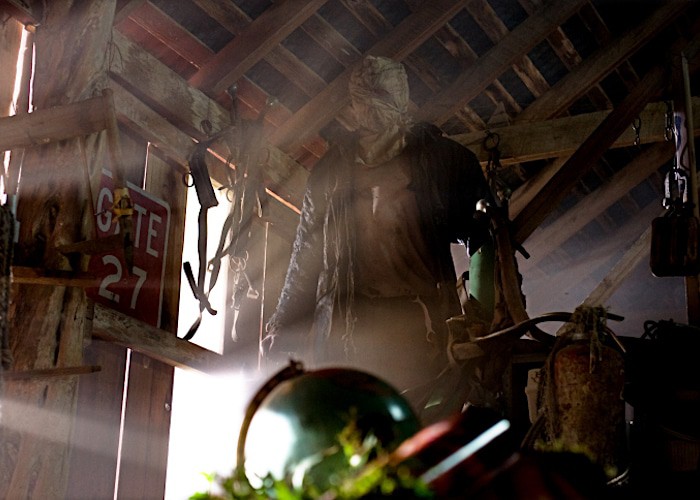
Friday The Th

A new adaptation of Stephen King’s Pet Sematary hits theaters this month, and while I think it’s less effective than 1989’s film it has its moments and at least improves on two of the performances. I seem to be in the minority, though, and it’s a familiar position for me on horror remakes — because yes, I love 2009’s Friday the 13th reboot. It’s one of the best of the franchise delivering creative gore, fun thrills, and a truly frightening Jason. It’s just a fantastic Friday film, and it remains a shame that the studio failed to keep the momentum going.


The Chance to Make Bear Grylls Eat His Own Testicles

You Vs Wild

Okay, that probably won’t be an option at any point during this new interactive nature show for kids, but You vs Wild (premieres 4/10) will let viewers share adventures with Bear Grylls as they get to choose his response at critical junctures. I’m not sold on the premise — it’s not live, there’s a whole season, and it appears even more staged than his usual shows — but more Choose Your Own Adventure-style TV shows can only be a good thing.


A Better A Quiet Place?

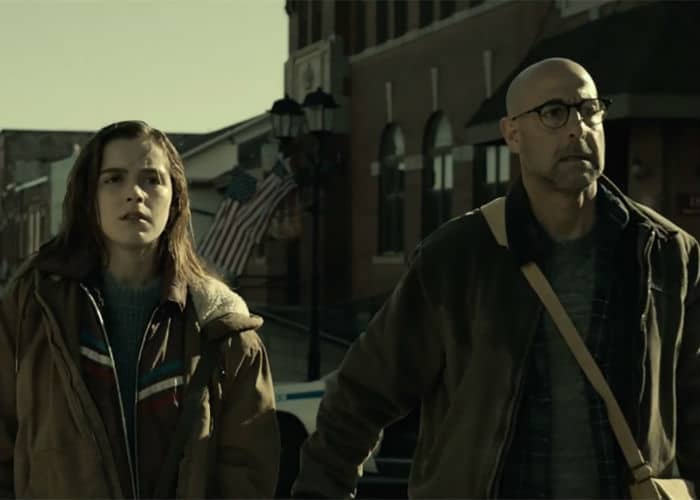
The Silence

I’m not the biggest fan of 2018’s A Quiet Place outside of the performances and creature design as the writing is just dumb which in turn kills the intended emotional effect. The Silence (premieres 4/12) has a similar setup with the world facing an apocalypse at the mouths of deadly creatures that hunt by sound. Survivors need to be quiet if they want to live, and the group trying to do just that includes Kiernan Shipka, Stanley Tucci, Miranda Otto, and John Corbett. It looks like a good time for genre fans, and even more promising, it’s based on a novel by acclaimed horror writer Tim Lebbon.


More Originals!

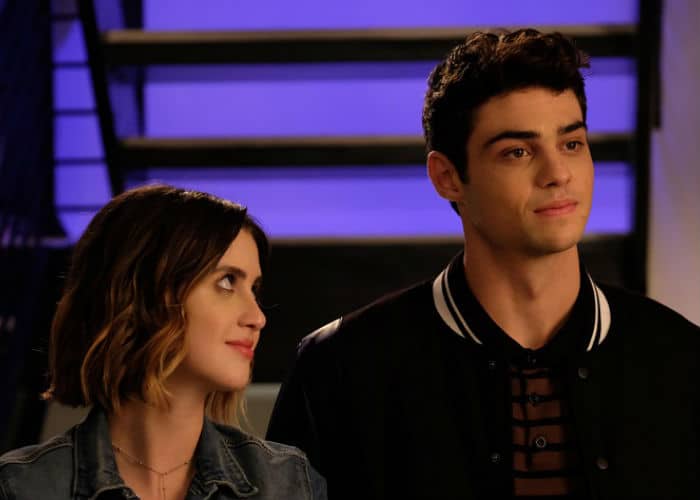
The Perfect Date

One of last year’s high-profile series debuts gets a sophomore season with Chilling Adventures of Sabrina – Part 2 (premieres 4/5). Sabrina is back as she continues learning how to balance friends, family, and the life of a witch. Did you see Captain Marvel in the theaters? Did you love Brie Larson? Well Netflix has your number and is ready to fill your need for more with Larson’s directorial debut, Unicorn Store (premieres 4/5). What’s it about? No clue, but it appears to be a pleasant indie comedy about a young woman’s encounter with brightly colored magic of some sort. If that’s too sweet for you, Black Summer (premieres 4/11) and might just be the antidote to your joy. The new series follows in the vein of The Walking Dead in its exploration of society’s collapse after a zombie outbreak ravages America. And finally, for those of you thirsting for more of To All the Boys I’ve Loved Before‘s Noah Centineo, the young man returns as the lead in The Perfect Date (premieres 4/12). He plays a guy making a living as a “stand-in boyfriend,” but what happens when he finds love?!


The Oldest New Arrival

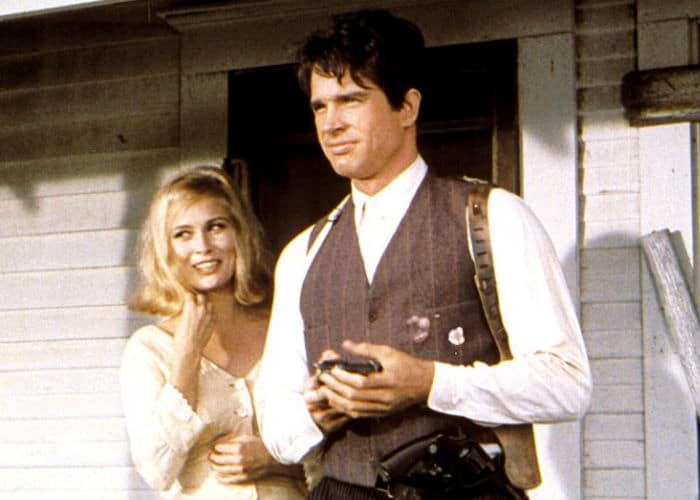
Bonnie And Clyde

This month’s classic arrival to Netflix is Arthur Penn’s true crime gem Bonnie and Clyde (1967). Faye Dunaway and Warren Beatty star as the real-life couple who fell in love, did bad things, harassed the police, and then died in a hail of gunfire and spurting blood. Facts grow a little malleable in favor of Hollywood entertainment, but it remains an engagingly violent romp.


The Complete List

April 1st
Across the Line
All the President’s Men (1976)
The Bone Collector (1999)
Bonnie and Clyde (1967)
Deliverance (1972)
Divine Secrets of the Ya-Ya Sisterhood (2002)
Evolution (2001)
The Fifth Element (1997)
Freddy vs Jason (2003)
Friday the 13th (2009)
The Golden Compass (2007)
I Am Legend (2007)
Lakeview Terrace (2008)
Monster House (2006)
Obsessed
Penelope (2006)
Pineapple Express (2008)
Pokemon the Series: Sun and Moon – Season 2
P.S. I Love You (2007)
The Sisterhood of the Traveling Pants (2005)
The Sisterhood of the Traveling Pants 2 (2008)
Snatch (2000)
Spy Kids (2001)
Texas Chainsaw Massacre 3D (2013)
Ultraman [Netlfix Anime]
Valkyrie (2008)

April 2nd
Kevin Hart: Irresponsible [Netflix Original]

April 3rd
Suzzanna: Buried Alive [Netflix Film]

April 5th
Chilling Adventures of Sabrina – Part 2 [Netflix Original]
In the Shadows
Legacies – Season 1
Our Planet [Netflix Original]
Persona: A Collection [Netflix Original]
Roman Empire: Caligula, The Mad Emperor [Netflix Original]
Spirit Riding Free – Season 8 [Netflix Original]
Tijuana [Netflix Original]
Unicorn Store [Netflix Film]

April 9th
Trolls: The Beat Goes On! – Season 6 [Netflix Original]

April 10th
New Girl – Season 7
You vs Wild [Netflix Original]

April 11th
Black Summer [Netflix Original]

April 12th
Band Aid (2017)
Huge in France [Netflix Original]
A Land Imagined [Netflix Film]
Mighty Little Bheem [Netflix Original]
The Perfect Date [Netflix Film]
The Silence [Netflix Film]
Special [Netflix Original]
Who Would You Take to a Deserted Island? [Netflix Film]

April 15th
Luis Miguel: The Series – Season 1
The New Romantic (2018)
No Good Nick [Netflix Original]

April 16th
Super Monsters Furever Friends [Netflix Original]

April 18th
My First First Love [Netflix Original]

April 19th
Brene Brown: The Call to Courage [Netflix Original]
Cuckoo – Season 5 [Netflix Original]
A Fortunate Man [Netflix Film]
I, Daniel Blake (2016)
Music Teacher [Netflix Film]
Rilakkuma and Kaoru [Netflix Anime]
Samantha – Season 2 [Netflix Original]
Someone Great [Netflix Film]

April 20th
Grass Is Greener [Netflix Original]

April 22nd
Pinky Malinky – Part 2 [Netflix Original]
Selection Day [Netflix Original]

April 23rd
I Think You Should Leave with Tim Robinson [Netflix Original]

April 24th
Bonding [Netflix Original]

April 25th
The Hateful Eight – Extended Edition (2015)
The Ugly Truth (2009)

April 26th
The Protector – Season 2 [Netflix Original]
ReMastered: Devil at the Crossroads [Netflix Original]
The Sapphires (2012)
She-Ra and the Princesses of Power – Season 2 [Netflix Original]
Street Food [Netflix Original]
Yankee [Netflix Original]

April 27th
American Honey (2016)

April 28th
Senora Acero – Season 5

April 29th
Burning (2018)
The Imitation Game (2014)

April 30th
Anthony Jeselnik: Fire in the Maternity Ward [Netflix Original]
Baki – Part 2 [Netflix Anime]
Ingress: The Animation [Netflix Anime]

Red Dots

Follow all of our monthly streaming guides.

The post What’s New to Stream on Netflix for April 2019 appeared first on Film School Rejects.

Game of Thrones: 10 Unlikely Victors and How They Would Win

In this series…


Jon Snow, Daenerys Targaryen, Cersei Lannister, the Night King—there are certain characters for which the path to victory in the Game of Thrones is very clear. As it stands, the end of season 7 points to one of these four ending up on Westeros’ most coveted seat once all the dust is settled. While other articles might focus on arguing the case for which one will be on top when all is said and done, this here thought experiment is a whole different beast. The point here is not to guess what will happen, but to explore the avenues by which ten unlikely candidates theoretically could, but almost certainly won’t, come out on top.


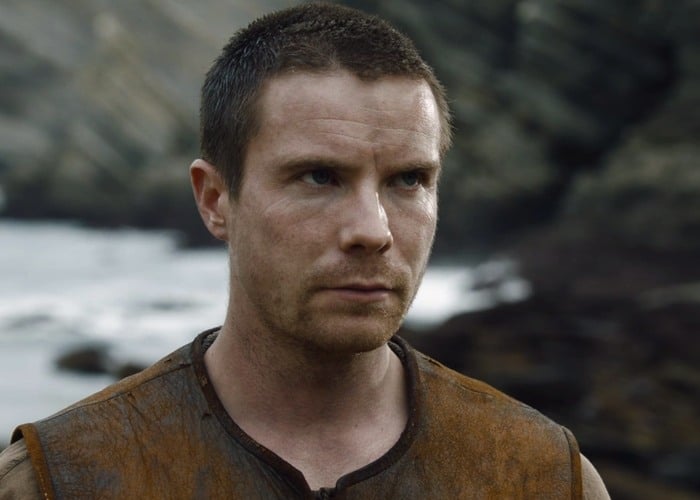
Gendry Waters (Baratheon)

Got Gendry

In order for this scenario to play out, the first thing that would have to happen is for Gendry to be legitimized as a Baratheon—something which is actually rather plausible, considering there are no trueborn Baratheons left to keep the House going, and that such an action would be a fitting reward for running all the way back to Eastwatch and saving Jon’s ass. Presuming no other secret Targaryens burst out of the woodworks, if Jon Snow and Daenerys Targaryen were to legitimize him and then die without issue, Gendry would have the strongest claim to the Iron Throne regardless of whether one favors the Targaryen or the Baratheon line of succession. His father was King Robert Baratheon, making his great-grandmother Rhaelle Targaryen, the daughter of Aegon V. Of the Great Houses of Westeros, House Baratheon has both the most recent connection to the Targaryen dynasty through Rhaelle, and also the strongest link to the Targaryens in terms of origin, as the founder of House Baratheon, Orys, was Aegon the Conquerer’s bastard half-brother. If Game of Thrones is going to pull a curveball regarding who ends up on the Iron Throne, this bastard blacksmith from Flea Bottom is the most likely candidate. So, in sum, it could play out like this: Gendry gets legitimized. Jon and Daenerys die fighting the Night King. Bran opts out on his inheritance (“I’m the Three-Eyed Raven now”), Sansa decides she would rather remain Lady of Winterfell, and Arya has never had the slightest interest in the Iron Throne. Gendry decides to take up his father’s mantle, and the survivors of the war against the Night King rally behind him. Cersei’s reign meets a particularly poetic end, unseated by the bastard son of the husband she conspired to murder.


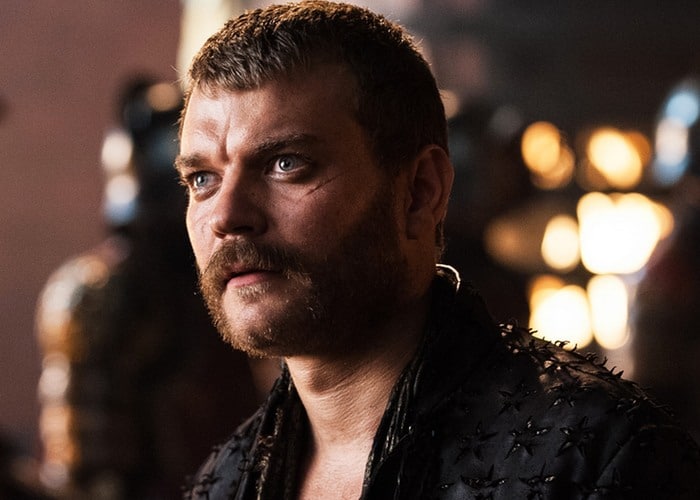
Euron Greyjoy

Got Euron

Cersei marries Euron. Jon and Daenerys manage to stop the Night King, but are killed in the process. Cersei dies from one cause or another—childbirth, at the hands of one of the many enemies she has accumulated over the years, whatever it may be. Theon’s “rescue Yara” plan fails spectacularly because he is vastly outnumbered, he and Yara are summarily executed. Euron now holds the Iron Throne with no challengers. Perhaps the worst of all possible universes.


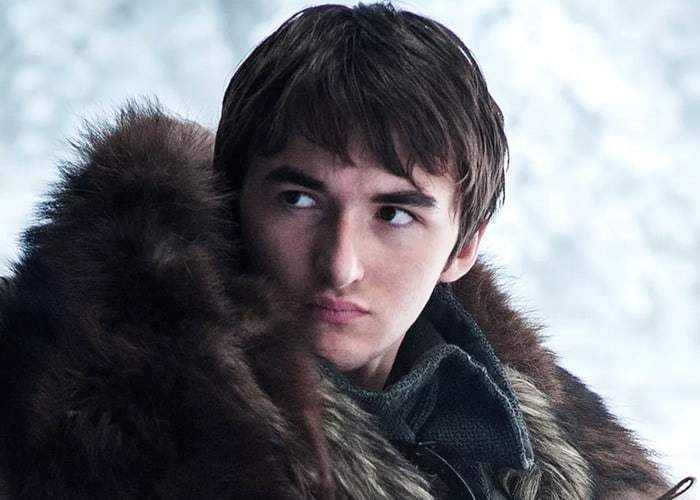
Bran Stark

Got Bran

While narratively this outcome would be decidedly out of left field, multiple bookies actually have Bran as the odds-on favorite to win the Iron Throne. While I have encountered several articles citing this rather surprising statistic, I have yet to encounter any testimonies from members of the “Bran-wagon,” if you will, regarding their rationales, so I can only guess as to how they picture the final season of Game of Thrones playing out. The most plausible possibility would likely go a little something like this: apart from Dorne, the standard inheritance pattern is through the male line, meaning Bran Stark would be Jon Snow’s heir by default. Should Jon Snow take over the Iron Throne on his lonesome and then die, that would make Bran the next in line. That said, Three Eyed Raven Bran doesn’t even seem to remember how to be a person, not to mention a king, so this scenario actually sounds pretty terrible.


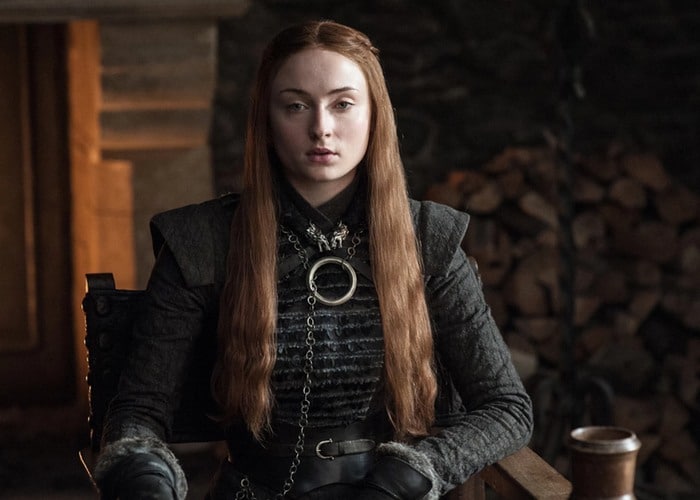
Sansa Stark

Thrones Characters Sansa

The most frequently cited rationale for Sansa’s unlikely victory comes not from anything that has happened on the show, but the idea that Game of Thrones is heavily inspired by the War of the Roses and Sansa is the show’s most obvious candidate for the role of Elizabeth I. There are plenty of people on the interwebs making the case for why Sansa is the best candidate for Queen of Westeros, but once again, far fewer address how she would actually get there. There’s certainly no way she’ll get the crown with Daenerys still in the picture, so something would have to happen with the Dragon Queen first. Admittedly, since disposing of Ramsay, Sansa has shown little interest in leaving Winterfell again, but should Jon pursue the Iron Throne and then die, she is easily better qualified for politicking than Bran. As such, Queen Sansa could perhaps come to pass in either of the following ways: Jon has the foresight to name Sansa his heir before his death, which is feasible considering he left her in charge of Winterfell before leaving for Dragonstone, or Jon doesn’t get around to making a will before kicking the bucket, and Sansa convinces everyone to rally behind her before heading to King’s Landing.


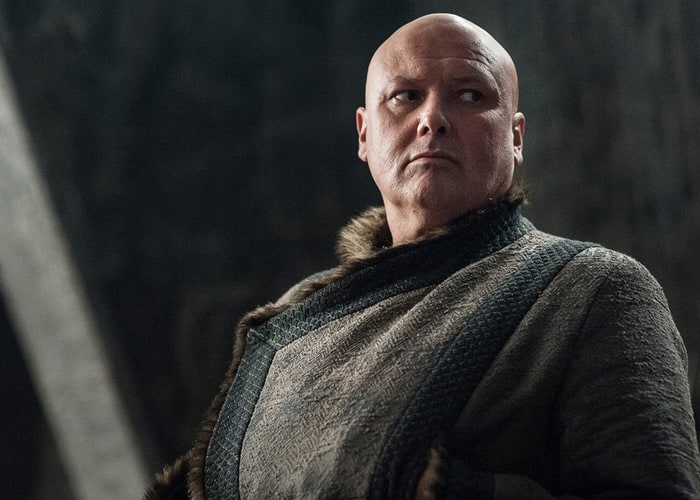
Varys

Thrones Characters Varys

Admittedly, while Varys might actually be one of the better rulers Westeros could get in terms of dedication to the wellbeing of the smallfolk and political prowess—at least, until the issue of succession comes along— the only way it really seems like the Houseless, foreign-born Master of Whispers could ever actually make it to the big pointy chair is if the “Merling Varys” theory proves correct and he succeeds in his mission of flooding all of Westeros to make it habitable for his people, in which case one would imagine he would be rewarded with the top seat in this new land.


Next Page

The post Game of Thrones: 10 Unlikely Victors and How They Would Win appeared first on Film School Rejects.

How ‘Little Miss Sunshine’ Uses a Pageant to Bring Its Characters Together

Little Miss Sunshine is remembered for many things: its path from Sundance to four Oscar nominations (and one Alan Arkin win!), introducing the world to Abigail Breslin, the iconic yellow Volkswagon microbus, and being a dramedy about a dysfunctional family that feels entirely fresh.

The dysfunctional family in question is the Hoovers. They take a road trip to California so that the youngest of the clan, Olive (Breslin), can perform in the Little Miss Sunshine beauty pageant. Piled into the VW with Olive are: her ever-stressed mother, Sheryl (Toni Collette); her winning-obsessed, “inspirational” father, Richard (Greg Kinnear); her voluntarily mute brother, Dwayne (Paul Dano); her severely depressed uncle, Frank (Steve Carell); and her crude, self-medicating grandpa, Edwin (Arkin). Loads of fun, right?

With no shortage of idiosyncratic character traits, the film’s characters are an obvious standout. But it’s so much more than its compelling characters. The film’s use of setting works wonders to help Little Miss Sunshine apart from others— much of it is spent in the confined space of the VW bus before shifting to the titular pageant. While the close quarters of their road trip bring about many of the film’s best moments, it’s this shift to the pageant for the final act that is the genius of the film.

For a dramedy, the climax happens in an unorthodox way. Instead of in a weepy moment, the Hoovers come together in a dance. While we knew that Olive’s grandpa choreographed for her, it’s a delightful comedic shock when Olive, easily the most innocent and sunshine-y of the family, gets on stage for the talent portion of the pageant and performs a burlesque dance to Rick James’ “Super Freak.” As the audience and judges look horrified, the Hoovers one by one take to the stage and join Olive in a myriad of dances that, much like the family, absolutely shouldn’t go together but somehow do.

It’s an outstanding cinematic moment without trying to be one. It feels organic to these characters as if this is where their paths were always headed all along. More importantly, it feels honest to these characters. It’s easy to believe that they would come together in this way despite their struggle to get on the same wavelength throughout the film — they’re doing it for Olive, after all.

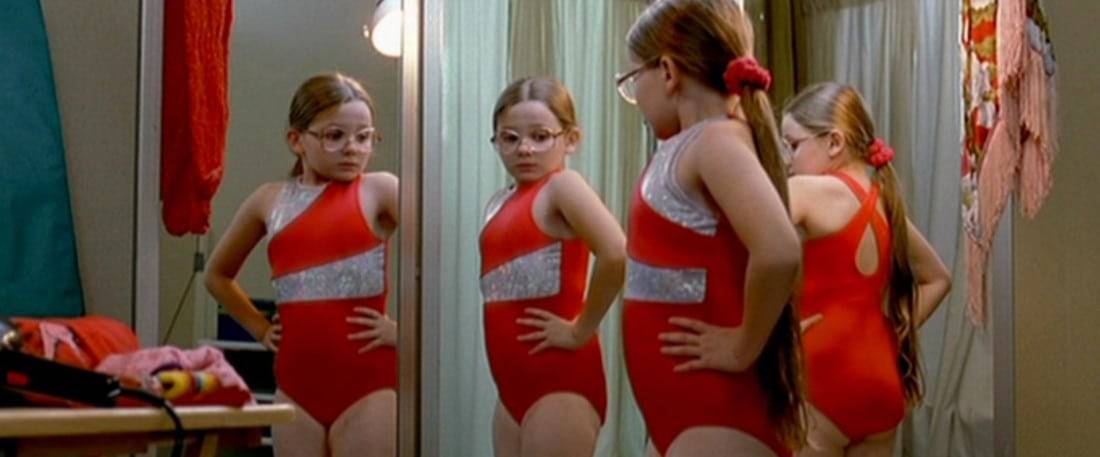
Getting to this moment of honesty is a sign that the sequence was handled well by its directors (married duo Valerie Faris and Jonathan Dayton). An essential part of letting the balance of comedy and emotion ring true was creating a setting real enough for the characters to believably exist in. To get to this point of realism, the directors took all the reigns off. After finding a group of pageant girls and mothers, the two let them do what they would.

Little Miss Sunshine Pagaent

“Those were real pageant girls, done up by their mothers. They brought all their own equipment. They brought every aspect of that,” Dayton said in an Epoch Times interview following the film’s release. “We knew [we] couldn’t fake this, because these are girls who have been working at this all their lives.”

After telling the group what a given scene would be, such as the swimsuit competition, one mother would often take charge of the group, making sure that preparations went smoothly for everyone. Then, as if in a real beauty pageant, they would all come out and strike their poses on the stage.

Although the pageant world is one that is often criticized, for Faris and Dayton, the name of the game was avoiding commentary on a community that is often subject to judgment. “If we wanted to make them look bad… there was a scene in there where two little girls laugh at Olive because she’s… chubby,” Faris told the Epoch Times. “They say, ‘Are you on a diet?’ And she says, ‘No.’ And one of them says, ‘I didn’t think so.’ That was a scene; we shot it, we hated it.”

In committing to this more downplayed portrayal of the pageant, Faris and Dayton were able to get at what the scene was all about: the Hoovers being caught in the wrong place but coming together and finding belonging with each other. Dayton captured this idea perfectly in that interview:

“It was very important to us that the film not be about pageants. It’s about being out of place, it’s about not knowing where you’re going to end up.”

The resulting sequence is memorable as comedic gold, of course, but also as a touching moment. For a family marked by dysfunction and disconnection throughout the film, there is something magical and entirely on-brand about a “Super Freak” dance being their connecting moment. It’s a scene that works for all the reasons you wouldn’t expect— it’s an emotional moment told through comedy in a pageant setting not represented as a caricature that ends with all the characters dancing free-spiritedly. For a family that has everything go wrong, that moment of finding each other in a crowd of people unlike them is a beautiful one.

The post How ‘Little Miss Sunshine’ Uses a Pageant to Bring Its Characters Together appeared first on Film School Rejects.

‘The Twilight Zone’ is Back and That’s a Very Good Thing

The Twilight Zone has a reputation for excellence. Since its debut in the fall of 1959, the series has appeared on television sets during family gatherings and celebrations such as 4th of July and New Year’s. It has become an important television touchstone similar to watching It’s A Wonderful Life on Christmas Eve. There’s something comforting about sitting down, hearing the indelible voice of creator and host Rod Serling, and preparing for another intriguing story about the bizarre and unknown. Some of the more memorable stories in the series have taken on a life of their own by being parodied in pop culture or having ideas from the series expanded upon in feature-length films. Twilight Zone continues to withstand the harsh realities of time and is still a seminal classic, both to those who grew up with it or those who are discovering it for the first time. Despite many attempts to reboot the franchise, nothing has really made the same impact.

It wasn’t until the wild 2016 presidential election, where a reality show host became the President of the United States, that bringing back Twilight Zone made sense. Every week we are bombarded with news that feels like it came straight out of another dimension, so it was no surprise when producers Simon Kinberg (X-Men: Dark Phoenix) and Jordan Peele (Get Out, Us) decided it was time for the the show to make its return.

It’s not hard to imagine why Peele would be attracted to the show as both of his movies use a horror lens for stories that center on themes such as systemic racism, the disenfranchised, and free will among other topics. Heavy stuff for sure, but similar to how Serling delivered his own messages sixty years ago the ideas behind Peele’s movies are delivered with horror and comedy for good measure. Peele might’ve even gotten inspiration from Twilight Zone episode “Moving Image” for his feature film Us as both stories feature people being terrified by their doppelganger. Peele doubles as the host for the series, and while no one can take the place of Serling part of what makes the original feel cohesive is that each week you saw a returning character in the form of a narrator/host. The host doubles as the face of the series.

Twilight Zone is one of those series that each entry feels special and these new episodes are no different. It’s a joyous occasion blasting the theme song and settling in to a new story with Peele guiding the journey. The signature camera movements from the original highlight the psychosis of these characters and the dilemmas they face. Fans of the series should find comfort in the fact that this new incarnation doesn’t forget what people love about the show.

Kicking off the new series is a unique pair of episodes. The first, “The Comedian,” features Kumail Nanjiani as comedian Samir Wassan. Wassan wants to be famous, but as usual, it isn’t that easy in The Twilight Zone. The world of comedy can certainly feel cutthroat at times and success usually means surpassing your peers. The episode costars Tracy Morgan, DeWanda Wise, and Jessica Williams. Interestingly, it was directed by Owen Harris who is known for the Black Mirror episodes “San Junipero” and “Be Right Back.” This is certainly the strongest of the first four episodes, with an engaging and twisty story and a fantastic performance from Nanjiani. Releasing on the same day is “Nightmare at 30,000 Feet” which stars Adam Scott as journalist Justin Sanderson. Sanderson has the safety of the flight in his hands and his decisions will ultimately determine its fate. The episode explores the fear of flying in 2019 and that means a lot more than an alien hanging on the wing. The shortest episode of the bunch makes it feel most like a 1960s episode. It’s inspired by the classic “Nightmare at 20,000 Feet,” and these two episodes show how producers Peele and Kinberg will use the original formula to create shows that inspire conversation.

Next up is “Replay” which features Sanaa Lathan (Love & Basketball) as a woman who discovers her camcorder has special abilities while on a trip to bring her college-bound son Dorian (Damson Idris) to school. The journey to school is paved with complications. This episode lacks subtlety and instead hits viewers over the head repeatedly with its theme. The show should feel like a science-fiction story first and foremost, but this one feels closer to a PSA. The episode costars Glenn Fleshler and Steve Harris and is directed by Gerard McMurray (The First Purge). “A Traveler” is directed by Ana Lily Amirpour (A Girl Walks Home Alone At Night, The Bad Batch) and features a mysterious man (Steven Yeun) who wishes to be pardoned by a police captain (Greg Kinnear). “A Traveler” veers in the opposite direction of “Replay”, giving us a science-fiction story with little underlying meaning. The biggest issue is that this episode decides to show its card a little too early, making everything else feel rudimentary. These two episodes vary wildly in quality, sometimes feeling like they were overstaying their welcome, and they make the argument that Twilight Zone eps don’t need to run almost an hour. Tedium sets in early after the euphoric high of the premier fades. 

In an age where it seems we are living in the Twilight Zone every day, it is fitting that the series has returned to television. Peele and Kinberg have laid out an intriguing start for how their new interpretation will function with these four stories. While two of the episodes are more of a mixed bag, the two episode premiere should excite new and old audiences alike. I can’t wait for future episodes to witness the surprises that the series holds. It is hard to live up to high expectations, but these episodes still inherently feel like they belong next to the original series. That is pivotal to its future success. There will be twists that shock you, stories that challenge you, and memorable characters at every turn. Welcome back Twilight Zone.

The post ‘The Twilight Zone’ is Back and That’s a Very Good Thing appeared first on Film School Rejects.

Copyright © Cinenus | Powered by Blogger

Design by Anders Noren | Blogger Theme by NewBloggerThemes.com