The film industry in one place - Articles, Reviews, trailers and hype!

Tuesday, 2 July 2019

Center Stage: Close-Up on Katharina Wyss’s “Sarah Plays A Werewolf”

Close-Up is a feature that spotlights films now playing on MUBI. Katharina Wyss's Sarah Plays a Werewolf, which is receiving an exclusive global online premiere on MUBI, is showing from July 2 – July 31, 2019 in MUBI's Debuts series.
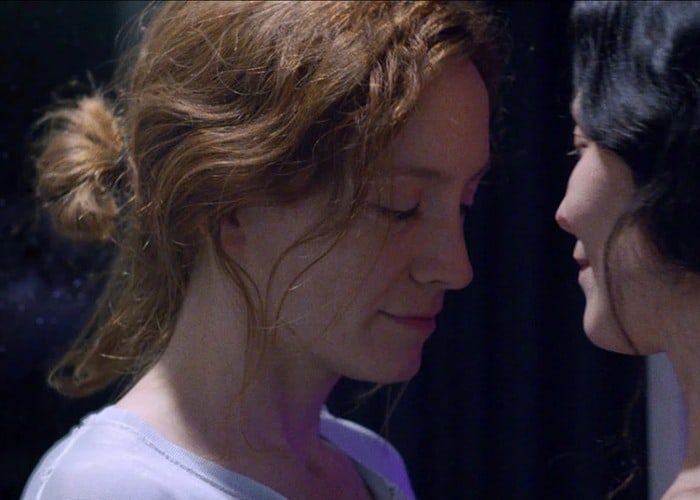
Accompanied by the booming of an orchestra, a child comes of age and falls apart. Katharina Wyss's cogent chamber drama, Sarah Plays a Werewolf, takes place within a space lined with such clashing processes of knowing and unknowing, entangled in disorientations regarding who is who—or more importantly, who appears as who. Immediately within the title itself, Wyss obfuscates the boundaries between the individual and their assumed part(s). Who is Sarah, and who is the werewolf? How would one tell the difference between a teenage girl and the monster she plays—or is she, rather, a monster playing a teenage girl, the latter acting as a disguise?
We may divide Sarah Plays a Werewolf into three acts. The first opens upon what sociologist Erving Goffman refers to as the “front stage”—the arena wherein the actor, both intentionally and unintentionally, puts on the mask of convention and normalcy. In a barely-furnished auditorium, a theatre class comes to a close. The students begin to exit as the teacher issues a departing message: they should no longer rely on reading from texts to perform. Emerging from off-screen, Sarah (Loane Balthasar)—biblically named and saintly in stature—approaches the teacher, responding: “I like working freely. I have better ideas.” But like her classmates, she must also pack up and return home. It is at this point—after leaving the theatre—that the true performance begins, dependent not on the pages of plays, but (to borrow from Goffman) the dramaturgy of everyday life.
Sarah willfully manifests a fiction of herself. Dressed in ballooning gowns and lumpy sweaters, she wears the mask of timidity, puffy-eyed with a disheveled crown of blonde hair. Sarah carries sadness like a prop. She waves it in the faces of others to deflect their probing. Outside of the campus, her friend Alice (Annina Walt) asks if she is okay. Sarah confesses that she has not been feeling well since her brother committed suicide. (We learn, later on, that he is still alive, attending university.) Her eyes linger on Alice’s notebooks, filled with drawings of impaled men and bloodied breasts, apparently inspired by author Georges Bataille. Quickly, she darts away to her father’s car. Neither friend nor father recognizes her extant curiosity for brutality, or that she has been performing scenes of suffering all along.
Each student of the theatre class is challenged to produce works of their own. The prompt is upheld by activities that interrogate what it means to perceive and to be perceived as oneself. Some students, boys and girls alike, do not recognize the collation of multiplicity and reflexivity, or that there are multiple projections of the self. Cleverly, Wyss distinguishes these other youth actors from Sarah, for whom insecurity is not just a relic of pubescence. Inspired by myths of self-immolating women—Juliet piercing herself with a dagger; female martyrs dismembered for their enduring faith—Sarah and Alice present a play in which Sarah is taunted and tied up with a rope. Their classmates, of course, do not like the performance. Alice tritely responds that to criticize violence, “you have to show [violence].” Sarah is silent. With her lack of response, Sarah Plays a Werewolf enters act two. From this point onward, Wyss conducts a move away from the front stage to the turning knobs and opening, closing doors of the backstage.
Like Romeo craning his neck to peek inside Juliet’s chambers from the garden, or the neighborhood boys caught in the romantic riddle of the next-door sisters in The Virgin Suicides, we as spectators experience a particular pleasure in waxing poetic about the mystery of the girl who evades our gaze. What does she want? What is she hiding? Whatever happened to her, that she would behave in such a way? Projection eclipses facts; perhaps it is too immediate to pair the enigma of the figure to the very nature of “her” being a “girl.” Sarah Plays a Werewolf adopts a more clinical approach. Within such a circumstance, Sarah takes on the appearance of a teenage girl—moody, erratic, and melancholic—to shroud her secret in a fog. Which, as Wyss frankly presents (though brief), is this: That Sarah’s father sexually abuses her; that she cannot say no; that he exaggeratedly inflates his intellectual prowess to gaslight and isolate her perspective of reality; that she cannot reject what he says. At home, the patriarch rules the stage. An off-screen assault ends with Sarah leaving a car, back facing the camera as her father watches. Her shoulders stiffen as she puts on her opaque armor, a tool for repression. What this clarifies is that what an onlooker might classify as archetypal adolescent behavior is actually the manifestation of psychological trauma. Performance, then, is a coping mechanism, so as to not be noticed and thereby become vulnerable before everyone else, each perfectly performing a part.
Sarah Plays a Werewolf closely recalls the crisis wrought by depersonalization—a common trigger response to trauma, in which a person experiences a sensation of separation from their self (both mind and body), or the feeling of lost (or stolen) self-ownership. Whether onstage or off-stage, lying in bed at night, Sarah is always another version of Sarah. This is not to say that Sarah detests these many beings, but rather, we see that she finds her personas to be spaces for articulating what cannot be said. The final act increases these multiplications. She writes (then discards, then again writes) journal entries about a boyfriend she does not have; she takes selfies she will never share; she dresses like Juliet and looks for Alice on a busy city street. And unlike Alfred Hitchcock’s use of the color red (which spreads across the frame) in Marnie (1964) to invoke the titular character’s scarring childhood event, Wyss articulates an internal bleeding. We do not see the red of blood, or find out where exactly it flows from or how the flesh was first punctured—what remains of Sarah is her outward expression of suffering. But because she drowns in her pain—and because her callous parents do not wish to acknowledge the pain—she cannot conceive of the future. In the present, she fluctuates between contradictory desires to repulse and attract, to draw closer and to deflect. Each path leads to the same hollow, deeper and deeper.  

It is through the theatre class that Sarah discovers the possibility of releasing what has been repressed. However, Wyss suggests that it is not the course itself—to be clear, the film is not an endorsement of on-campus theatre programs—but rather, the act of acting. Sarah arrives at a dress rehearsal in the same floral-patterned tunic as days before; her teacher remarks that she needs to be in costume. But Sarah has learned that she is already in costume; she is already acting. The few instances that show the details of how Sarah feels are unpleasant, immediately rejected as insanity. Sarah does not participate in the rehearsal, instead lashing out and attacking her classmates (dressed in a rainbow array of wigs and gowns) when they attempt to help her. She becomes silent once again when her parents arrive.  
“I have no one who understands me,” she tells her father. He interprets this as selfish and entitled, a childish demand to be medicated. But though the film does indicate how Sarah wants to be friends with other kids, Wyss draws a line between what Sarah consciously desires and what she subconsciously chases after—that is, to be at peace with herself. She compulsively lies to her parents and teacher that her nervous breakdowns stem from the death of a boyfriend, who she later names Luke (after a carved name found in a forest cave). This deception is especially believable because Sarah is that age, that sex, or that gender at the crossroads of youth where someone of her demographic might fall in love with a boy. But there are no teenage boys at all, and in fact, there are no teenage girls either. There is only Sarah, who mourns the loss of herself until she cannot take the lack any longer. The film's conclusion, wherein Sarah does find an escape through death, is both physically bleak and somewhat metaphysically utopian. She is gone; but is she free? What other stage awaits, where Sarah can stand in the spotlight, bright-eyed and wonderfully many?

Second Trailer for Animated 'Spies in Disguise' Comedy with Will Smith

Spies in Disguise Trailer

"It's the most perfect form a spy can take!" 20th Century Fox has debuted the second official, full-length trailer for Blue Sky Studios new animated movie Spies In Disguise. The first teaser trailer for this landed last fall, but the release has been pushed back until Christmas this year, so we've still got another six months to go. Lance and Walter. One is a super cool and charming spy, and the other invents the super cool gadgets Lance uses. When Walter turns Lance into a bird, they must learn to rely on each other like never before in order to save the world. Will Smith voices Lance, and Tom Holland voices Walter. The full voice cast includes Ben Mendelsohn, Karen Gillan, Rashida Jones, DJ Khaled, and Masi Oka. Inspired by the short film Pigeon: Impossible, about a spy battling a pigeon. This looks pretty bad, especially cheesy and obvious, despite a funny premise. And the trailer still doesn't take us beyond that first bird transition scene.

Here's the second trailer (+ new poster) for Nick Bruno & Troy Quane's Spies In Disguise, from YouTube:

Spies In Disguise Poster

You can still watch the first trailer for Blue Sky's Spies in Disguise movie here, for last year's original reveal.

Charming, super cool, super spy Lance Sterling (Will Smith) and scientist Walter Beckett (Tom Holland) are almost exact opposites. Lance is smooth, suave and debonair. Walter is… not. But what Walter lacks in social skills he makes up for in smarts and invention, creating the awesome gadgets Lance uses on his epic missions. But when events take an unexpected turn, Walter and Lance suddenly have to rely on each other in a whole new way. And if this odd couple can't learn to work as a team, the whole world is in peril. Spies In Disguise is an animated comedy set in the high-octane globe-trotting world of international espionage. Spies In Disguise is co-directed by filmmakers Nick Bruno & Troy Quane, from Blue Sky Studios. Inspired by the animated short film Pigeon: Impossible by Lucas Martell. 20th Century Fox will release Blue Sky's Spies In Disguise in theaters everywhere starting December 25th, Christmas Day, this year. Looking fun?

Monday, 1 July 2019

Official Trailer for New 'Jacob's Ladder' Remake Starring Michael Ealy

Jacob's Ladder Trailer

"I'm hearing things, I'm seeing things…" Vertical has unveiled the trailer for the Jacob's Ladder remake that has been in the works for a few years. This was pulled from the release schedule, but they've decided to drop it in August out of nowhere - which isn't a good sign. And once you see this trailer you'll know exactly why they're just dumping it before the fall movie season arrives. This is a remake of the 1990 horror film also titled Jacob's Ladder, and the title is a reference to a "biblical ladder to heaven, mentioned in Genesis 28:12." After returning from Afghanistan, veteran Jacob Singer struggles to maintain his sanity. Plagued by hallucinations and flashbacks, Singer rapidly falls apart as his world and the people around him morph and twist into disturbing images. This stars Michael Ealy, with Jesse Williams, Nicole Beharie, Joseph Sikora, Karla Souza, and Guy Burnet. This will probably be in a bargain bin by the end of the summer.

Here's the first official trailer for David M. Rosenthal's new Jacob's Ladder, direct from YouTube:

Jacob's Ladder Remake

In a remake of 1990's Tim Robbins-starring horror-thriller Jacob's Ladder, a man named Jacob Singer is finally getting his life back together after the death of his brother in Afghanistan. He has a beautiful wife, a newborn child, and a successful career as a surgeon in a VA hospital. When a stranger approaches him and tells him that his brother is actually alive and living in an underground shelter with other homeless vets, Jacob's life starts to unravel. He begins hallucinating, starts to think he is being followed by violent attackers, and becomes paranoid about the truth of what really happened to his brother. Jacob's Ladder is directed by American filmmaker David M. Rosenthal, of See This Movie, Falling Up, Janie Jones, A Single Shot, The Perfect Guy, and How It Ends previously. The screenplay is written by Jeff Buhler and Sarah Thorpe; from a story by Jake Wade Wall and Jeff Buhler. Based on the original 1990 movie written by Bruce Joel Rubin. Vertical Ent will release the new Jacob's Ladder in theaters starting August 23rd, 2019.

The Biggest Hits and Misses at the 2019 Box Office So Far

For more in this series, check out our Mid-Year Report archives.


Midway into 2019, Disney is having a great year. The rest of the movie studios, not so much. And the industry as a whole is struggling in spite of the fact that one of the top-grossing movies of all time made its debut in recent months. Avengers: Endgame just added another $5.5 million over the weekend, thanks to its bonus-offering “re-release,” and while the opportunity didn’t put the Marvel movie over the top to steal Avatar‘s crown, its initial record-breaking success, including the uncanny and probably permanent opening-weekend victory, is in striking contrast to almost everything else of late.

We’ve been seeing a lot of movies underperform at the box office this year, especially this summer, and so even with Endgame doing $841.3 million domestically, ticket sales in 2019 are the lowest they’ve been in years. The estimated attendance at 623.3 million through the end of June is down 8.5% from this time in 2018 and even 0.5% down from the lackluster 2017. The good news is that most of the drop happened in the first quarter of the year. For the second quarter of 2019, we’re still down from 2018 but way up compared to the two years prior. The bad news is 2019 saw the worst movie attendance for June on record.

As we look back over the past six months, here are some winners and losers.


Winner: Disney 

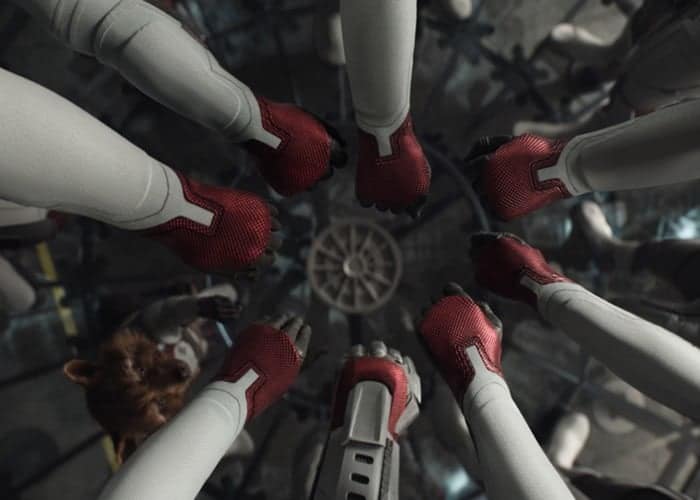
Avengers Endgame Hands

The Mouse House has the top four domestic box office leaders of the year so far, thanks to ticket sales for Endgame (93.4 million), Captain Marvel (47.4 million), Aladdin (33.9 million), and Toy Story 4 (26.3 million). The first three are also the top trio internationally. Surely, the studio wishes Dumbo was also at least in the top 10, and Disney probably would have liked to see its newly acquired Fox properties Alita: Battle Angel and Dark Phoenix perform better, but with The Lion King, Maleficent: Mistress of Evil, and of course Frozen 2 and Star Wars: The Rise of Skywalker on the horizon, they’ll end up with a banner year.


Loser: Warner Bros. 

Godzilla King Of The Monsters

Warner Bros. is the second-highest-grossing studio of the Hollywood majors so far for 2019, yet it should be doing a lot better considering what they’ve been putting out. The studio has been performing disappointingly with its seemingly sure-thing sequels, namely The LEGO Movie 2: The Second Part and Godzilla: King of the Monsters, both of which just barely passed the $100 million mark domestically. Plus, Pokémon: Detective Pikachu is topping off about $100 million lower than once anticipated. Even their DC Extended Universe is down, with Shazam! finishing last in the franchise even with its higher appeal and acclaim than most of the other installments. The Joker is Warner Bros.’ biggest hope going forward, but its R rating will keep it from being a huge enough hit for the studio to keep its ranking. Universal is very close on its heels and will dominate late summer with Fast & Furious Presents: Hobbs & Shaw.


Winner: Jordan Peele

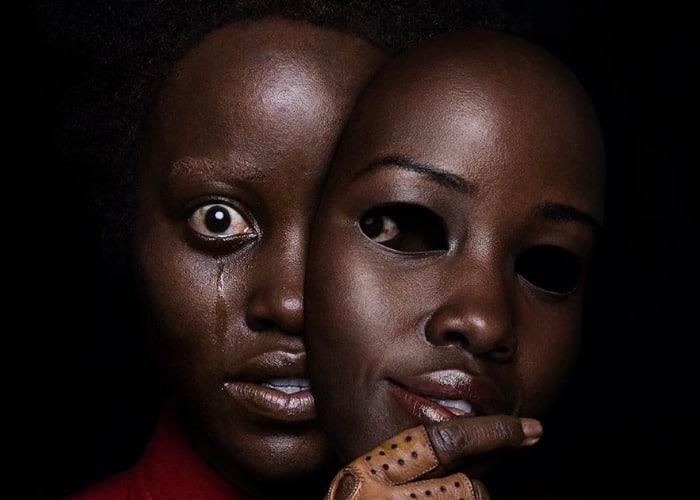
Us Jordan Peele

With his sophomore film, Us, Jordan Peele proved to be the best auteur doing original material right now, at least financially speaking. Midway through 2019, the very well-reviewed horror film rounds out the domestic top five, which is a better placement than Peele’s feature debut, Get Out, had this time back in 2017. The irony is that it was in seventh place with roughly the same amount of tickets sold as Us. It’s just that there aren’t as many movies doing so well, and Us technically hasn’t performed as well as its predecessor given their respective opening weekend numbers. Us just didn’t have the legs that Get Out did. Yet even without the movie being as much of a cultural phenomenon, there’s still nothing like it nor like Peele as a filmmaker box-office-wise.


Loser: F. Gary Gray

Men in Black International

In the last five years, F. Gary Gray has also shot up to become one of the most successful directors in Hollywood, and like Jordan Peele, his box office accomplishments have been very good especially for the status of black directors in the industry. Unfortunately, Gray’s latest is one of the biggest bombs of 2019. It’s not his fault. Men in Black: International looked like a safe bet, resurrecting a popular movie franchise with two stars last seen together in one of 2017’s highest grossing releases of the year. But nobody has been interested, and the rebootquel looks like a mistake for the guy whose last two efforts were Straight Outta Compton and The Fate of the Furious. Men in Black: International might even wind up being Gray’s worst-performing movie at home since 2003’s A Man Apart. Yeah, it’s selling even fewer tickets than Be Cool and Law Abiding Citizen. Don’t worry, he’ll bounce back next time.


Winner: John Wick

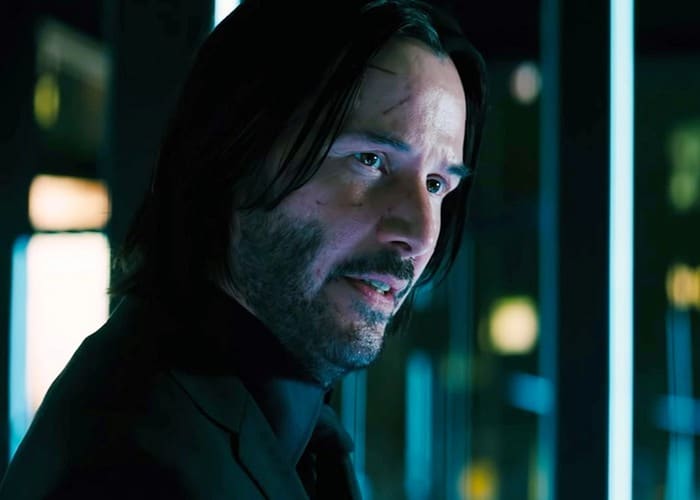
John Wick

While most franchise entries are, if not flopping, still selling fewer tickets than previous installments, the John Wick series has never done better. Like with Jordan Peele, if we look back at our midyear box office report of 2017, John Wick ranks higher now than he did then. John Wick: Chapter 3 – Parabellum currently holds sixth place on the domestic chart with 17.9 million tickets sold. John Wick: Chapter Two was in 15th place with just 10.4 million tickets sold. This isn’t a matter of fewer properties doing well, though. Parabellum is one of the best successes of the year in its own right. And it’s still going pretty strong. Currently, John Wick’s third movie has grossed four times as much as the original in North America and close to twice as much as the first sequel. It’s also doing far better than the others overseas. As for star Keanu Reeves, he’d be one of this year’s big winners, too, thanks to John Wick and Toy Story 4, but he was also in one of the year’s biggest flops: Replicas


Loser: Elton John

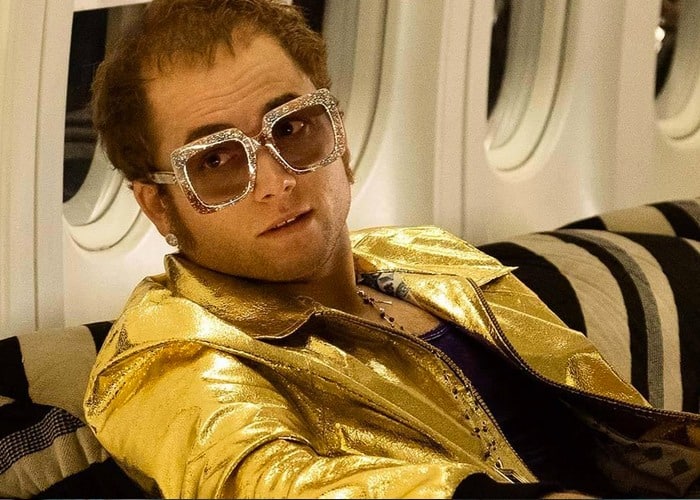
Rocketman

In any other year, Rocketman would look like a huge success. Music biopics don’t always sell more than nine million tickets. The Doors didn’t. Neither did Selena. Still, the movie isn’t reaching the heights of award-worthy biopics about Ray Charles, Tina Turner, Johnny Cash, Patsy Cline, NWA, or Richie Valens. Let alone the worldwide sensation about Freddie Mercury and Queen that came out last year. Rocketman is directed by the guy who finished Bohemian Rhapsody and involves some of the same real-life characters and overlaps the same period in music history and also focuses on a gay singer. Sadly, moviegoers aren’t showing as much love to Elton John as they did Mercury, for whatever reason. While Bohemian Rhapsody finished 2018 in 10th place on the domestic box office chart, Rocketman is currently only 17th for 2019 and will fall out of the top 20 soon. At least Elton John is a part of The Lion King, which will be one of the year’s top grosses worldwide.


Winner: Documentaries

Apollo

We saw a few really successful documentaries at the box office in 2018, with Won’t You Be My Neighbor reaching almost $23 million domestically alone, while Free Solo wasn’t far behind with $17.5 million. In all, 16 nonfiction features grossed at least $1 million. But only four of them by this point in the year (Neighbor had reached $7.6 million by June’s end, RBG was up to $11.5 million, and Pandas and Pope Francis – A Man of His Word rounded out the bunch). So far in 2019, nine docs have made more than $1 million. That does include They Shall Not Grow Old, which had a true theatrical release this year following one-off showings late last year, and Amazing Grace, which had a proper release this year after a week on a few screens in December. But even without those, the wealth is spread around for docs so far in 2018. Nothing is seeming like the behemoths that Neighbor and RBG were by this point, but the current totals of Apollo 11 ($8.9 million), Disney’s Penguins ($7.7 million), The Biggest Little Farm ($3.5 million), Pavarotti ($1.8 million), Echo in the Canyon ($1.5 million), and Fathom event screenings of Kingdom Men Rising ($1.2 million) and BTS World Tour: Love Yourself in Seoul ($3.5 million) is almost five million more than the top doc grosses of midyear 2018, before we add what They Shall Not Grow Old ($11.5 million) and Amazing Grace ($4.4 million) in 2019. Archival docs are particularly popular this year, too. So much for the thinking last summer that docs were only seeing a boost thanks to MoviePass.


Loser: British Family-Friendly Fantasy Adventure Comedy Films Based on Classic Literary Characters That Are Arguably the Best Movies of their Year

Kidwhowouldbeking

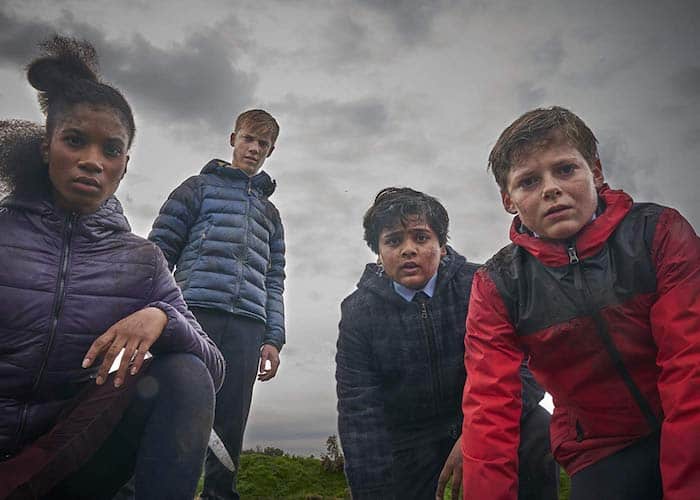
Last year, Paddington 2 came and went in the US without much interest from American moviegoers. The fact that it barely grossed $40 million domestically was an absolute tragedy. After all, it was the best movie of the year, in my opinion. Well, Paddington 2 was a blockbuster compared to The Kid Who Would Be King, a similarly earnest and absolutely magical effort from a British auteur. Joe Cornish’s Amblinesque Arthurian fantasy adventure, which if it was ranked might take the top spot in my list of the best sci-fi/fantasy films of 2019 so far, took in only $16.8 million in North America. And while Paddington 2 at least made a bunch of money overseas, especially in England, The Kid Who Would Be King bombed everywhere. You all really missed the boat on this one.


More Winners: Kevin Hart; Lupita Nyon’o; the How to Train Your Dragon franchise; short films.

More Losers: Emma Thompson; Nicholas Hoult; the Hellboy franchise; comedies.

The post The Biggest Hits and Misses at the 2019 Box Office So Far appeared first on Film School Rejects.

The 25 Best Movies of 2019 So Far

For more in this series, check out our Mid-Year Report archives.


When you think about your year at the movies so far, what comes to mind? Are you thinking about the big franchise films that have drawn you into theaters? Perhaps you’re ready to list a bunch of smaller movies that you’re tracking from film festival to your local arthouse. Maybe you’re just watching 1.3% of everything Netflix has launched this year, which would be, based on our math, at least 470 new Netflix movies.

For us, the year in movies so far begins with these 25. And while it begins here, it doesn’t end here. Our team nominated 78 newly released 2019 movies that they considered worthy of this list. That’s the equivalent of 3 per week over the course of six months. Not bad, team. All that to say that these 25 movies are the best we’ve seen so far in 2019. And we’ve seen a lot of movies so far this year. What’s striking is the variety of films we’ve seen in 2019. They come from plenty of places — film festival to franchise — and from a wide variety of filmmakers, some new, some familiar. All worthy of your attention, as we’re about to explain…


25. Shazam!

Shazam

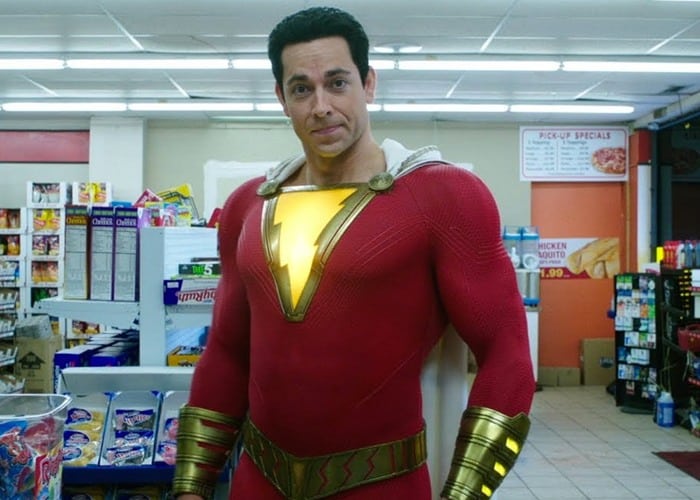
The DC Comics Universe is home to more than Batman and Superman. After decades of Warner Bros dumping cash into Gotham City and Metropolis, the studio finally crossed state lines to experiment with characters, tones, and flavors. Bruce and Clark need a rest. Retirement may be impossible for them, but a long vacation from the spotlight is deeply welcome by all. Don’t let them return until we miss them, then wait another five years (Matt Reeves, we see you, we appreciate you, and we’re curious, but The Batman better unveil The Dark Knight detective in a big way, or we’ll be grumpy).

Wonder Woman and Aquaman rejuvenated Justice League potential, but Shazam! reminded us that cinematic shared universes are only possible when the characters within can stand on their own. Sure, the idea of Superman pulling up a cafeteria chair beside Billy Batson is tantalizing, but his solo plight of wish-fulfillment is far more enriching. David F. Sandberg slaps a cape on Big and, voila! I mean – Shazam! Comic book adventure is not hard. The Batman of the past thirty years just makes it look that way. Zachary Levi doin’ Tom Hanks wonder is all we need. The punching and the repulsive personification of the seven deadly sins is simply a bonus. (Brad Gullickson)


24. Aniara

Aniara

Science fiction films are something of a rarity as much of what we think of as sci-fi is more typically an action movie set in space. Too few of them these days are about the ideas and challenges facing a future population (Children of Men, 2006) or alien presence (Under the Skin, 2013), but one of the best examples of the former arrived this year from Sweden and remains a steady presence in my brain.

A spaceship loaded with people heads towards Mars on a routine trip, but what should be a short and comfortable journey becomes a nightmare as circumstances leave the vessel drifting endlessly without the ability to steer or power the craft. The societal microcosm — it’s the equivalent of a town in both population and distractions — is put to the test as days turn to weeks, months, and years. Hedonism, religion, hope, and despair all swirl and cycle into a singular human condition in what amounts to a slow-motion disaster film. Humanity is heading towards their inevitable end at a languid pace, and there’s not a damn thing we can do about it. So why not watch this gorgeous, smart, entertaining, and honest look into the future? (Rob Hunter)


23. Paddleton

Paddleton

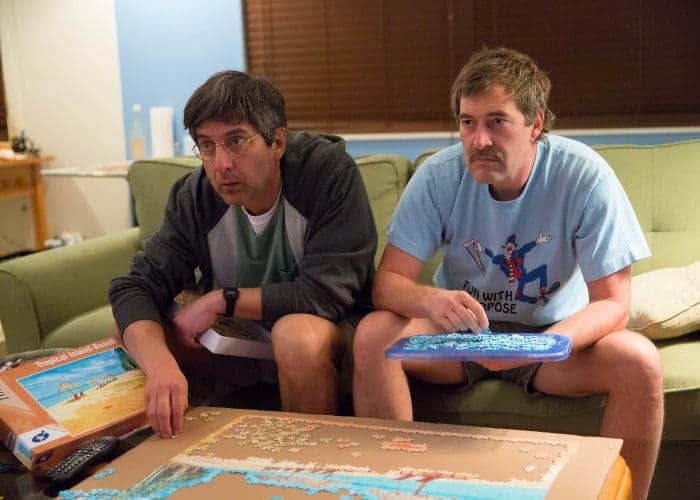
The premise of Paddleton is upsetting enough to turn most people away before they realize what they’re missing, but writer/director Alex Lehmann has a preternatural sense for tastefully inserting comedy in dramatic, atypical scenarios. In this case: planned suicide. Michael (Mark Duplass, credited as co-writer) is diagnosed with cancer early on, and his best friend Andy (Ray Romano) is forced to come to terms with Michael’s decision to take a prescribed life-ending pill at his own discretion when life becomes too ugly for him to bear. Of course, that’s not easy for Michael. The two single mid-40s/50s men spend every waking moment together outside of work, and life without each other is unimaginable for both.

Duplass and Romano have brotherly synergy like they’d made decades’ worth of films together. Michael and Andy have a routine of playing their made-up game Paddleton, watching old Japanese samurai movies, and making DIY pizzas. Simply put: they’re content. The film makes you feel lucky to witness such an unadulterated friendship, and it makes it that much more difficult for us when the time comes. But, Lehmann, Romano, and Duplass pull off the ending to perfection, albeit a soul-crushing perfection. (Luke Hicks)


22. Piercing

Piercing

Blackly comic films about serial killers (and the like) have to walk a fine line as while we want to root for the “bad” guy we really shouldn’t be identifying with the bad guy. Most default on the safe side by turning them into antiheroes, but writer/director Nicolas Pesce takes a different route with his adaptation of Ryu Murakami’s (Audition, 1999) novel.

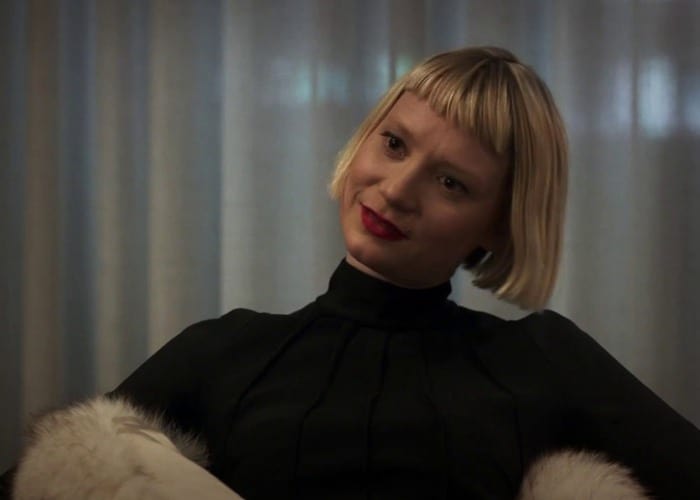
Reed (a delightful turn by Christopher Abbott) has grand and elaborate designs for his first kill, but a pesky and charismatic young woman (a witty Mia Wasikowska) — his intended target — captivates him in unexpected ways. The pair dance around their interests involving sadism, masochism, and a playfully grim sensibility, and the result is a frequently funny and occasionally absurd experience. And not for nothing, but its ending also reminds favorably of David Cronenberg’s classic love story Crash (1996) as it goes out on a note of undeniably perverse hope. (Rob Hunter)


21. The Standoff at Sparrow Creek

Sparrow Creek

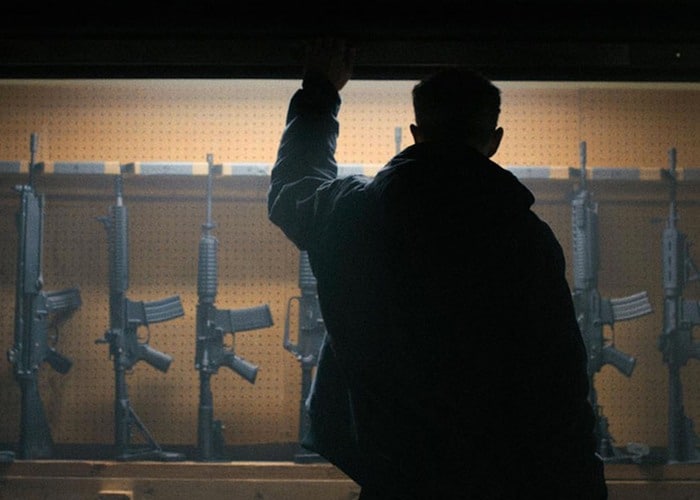
Due to events in the real world pertaining to militias and gun violence, The Standoff At Sparrow Creek is a very timely and uncomfortable thriller. Henry Dunham’s debut feature-length doesn’t just include a group of these right-wing gun nuts in some capacity — the entire movie revolves around them and forces us to spend time in their headspace. For some viewers, the film’s politics might ruin their enjoyment of it completely. That said, underneath the surface is a more nuanced examination of these groups and the individuals who gravitate toward them.

More than anything, though, the movie is a top-notch ticking clock whodunit tale that thrives on mystery and intensity. The story revolves around an investigation into a mass shooting at a police funeral after the aforementioned militiamen suspect that one of their own members is the culprit. What ensues is a series of interrogations within a dark, weapons-filled warehouse as tensions boil and bad people start to turn on each other. The comparisons to Reservoir Dogs are obvious, but Dunham’s movie is also reminiscent of Jean-Pierre Melville’s Army of Shadows. However, the movie is its own beast and Dunham has firmly established his own cinematic voice with his first outing. I can’t wait to see what he does next. (Kieran Fisher)


Next Page

The post The 25 Best Movies of 2019 So Far appeared first on Film School Rejects.

Toni Servillo in Wild US Trailer for Paolo Sorrentino's Dazzling 'Loro'

Loro Trailer

"Sell them your dream of the future." IFC Films has unveiled an official trailer for the latest spectacle from Italian filmmaker Paolo Sorrentino (This Must Be the Place, The Great Beauty, Youth), an epic political satire titled Loro. The film profiles the life of Italian politician Silvio Berlusconi, played by Toni Servillo, an "egomaniac billionaire Prime Minister who presides over an empire of scandal and corruption." Sounds scary, but it's described as a "ferocious feast of satire" with plenty of Sorrentino's spunk and extravagance. "Exploding with eye-popping, extravagantly surreal set-pieces, the dazzling, daring new film from Academy Award-winning director Paolo Sorrentino is both a wickedly subversive satire and a furious elegy for a country crumbling while its leaders enrich themselves." Also starring Riccardo Scamarcio as the young hustler trying to move closer to Berlusconi, plus Elena Sofia Ricci, Kasia Smutniak, Euridice Axen, Fabrizio Bentivoglio, Roberto De Francesco, Dario Cantarelli, and Anna Bonaiuto. Worth a look.

Here's the official US trailer (+ new poster) for Paolo Sorrentino's Loro, direct from IFC's YouTube:

Loro Poster

Sex, drugs, power, and vice – welcome to the mid-2000s Italy run by Silvio Berlusconi, the egomaniac billionaire Prime Minister who presides over an empire of scandal and corruption. Sergio (Riccardo Scamarcio) is an ambitious young hustler managing an escort service catering to the rich and powerful. Determined to move up in the world, Sergio sets his sights on the biggest client of all: Silvio Berlusconi (Toni Servillo), the disgraced, psychotically charming businessman and the ex-PM currently plotting his political comeback. As Berlusconi attempts to bribe his way back to power, Sergio devises his own equally audacious scheme to win the mogul's attention. Loro is directed by Italian filmmaker Paolo Sorrentino, of the films One Man Up, The Consequences of Love, The Family Friend, Il Divo, This Must Be the Place, The Great Beauty, and Youth previously. The screenplay is by Paolo Sorrentino & Umberto Contarello. This first premiered at the Busan & Cologne Film Festivals last year. IFC Films will release Sorrentino's Loro in select US theaters starting September 20th, then on VOD starting September 27th. Anyone interested?

Second US Trailer for Animated 'Buñuel in the Labyrinth of the Turtles'

Buñuel in the Labyrinth of the Turtles Trailer

"Death is hiding at every corner, but it won't come out if we don't force it." GKids has unveiled a second official US trailer for a peculiar animated drama from Spain called Buñuel in the Labyrinth of the Turtles (or Buñuel en el laberinto de las tortugas), made by filmmaker Salvador Simó (of Paddle Pop Adventures 2: Journey Into the Kingdom). Buñuel in the Labyrinth of the Turtles tells the true story of how Buñuel made his second movie. Set in Paris in the 1930s, Buñuel's sculptor Ramón Acin friend buys a lottery ticket with the promise that, if he wins, he will pay for his next film. Remarkably, he ends up a winner, and the two set off to make the short doc Las Hurdes: Tierra Sin Pan (aka Land Without Bread). Featuring the voices of Jorge Usón, Fernando Ramos, Luis Enrique de Tomás, and Cyril Corral. This definitely isn't an animated film for kids, which is exactly why it looks so intriguing. Especially for classic film lovers.

New US trailer (+ poster) for Salvador Simó's Buñuel in the Labyrinth of the Turtles, from YouTube:

Buñuel in the Labyrinth of the Turtles Poster

You can watch the first teaser for Buñuel in the Labyrinth of the Turtles here, to see the original intro again.

In a stranger-than-fiction tale befitting the master surrealist filmmaker, this film tells the true story of how Buñuel made his second movie. Paris, 1930. Salvador Dalí and Luis Buñuel are main figures of the Surrealist movement, but Buñuel is left penniless after a scandal surrounding his first film L’Age d’Or. However, his good friend, the sculptor Ramón Acín, buys a lottery ticket with the promise that, if he wins, he will pay for his next film. Incredibly, luck is on their side, the ticket is a winner and so they set out to make the movie. Both a buddy adventure and fascinating episode of cinematic history, Buñuel and the Labyrinth of the Turtles utilizes sensitive performances as well as excerpts of Buñuel’s own footage from the production, to present a deeply affecting and humanistic portrait of an artist hunting for his purpose. Buñuel in the Labyrinth of the Turtles is directed by Spanish filmmaker Salvador Simó, who also works as a VFX artist for MPC. The screenplay is written by Eligio R. Montero and Salvador Simó. This premiered at the Animation Is Film Festival last year. GKids releases the film in select US theaters starting August 16th.

See the Funny Karate Infomercial Promo for 'The Art of Self-Defense'

The Art of Self-Defense Promo

"Deliver the first punch in changing your life. Gain the secrets to success." Are you ready to learn the art of self-defense and become a real man? In theaters this month is the dark comedy The Art of Self-Defense, written & directed by Riley Stearns, and they've released this viral promo video and it's rather brilliant. This vintage infomercial encourages people to buy the Sensei's special 11-part cassette tape set to help them learn the various traditions and techniques to become powerful and successful. If you haven't figure it out yet, it's all a mockery of masculinity and the obsession with male power. "For eons the practitioners of martial arts have held the secrets to the art of self-defense. Grand Master passed these lessons down to me — the same lessons that have, since ancient times, proven essential in conquering weakness and perfecting masculinity." It's hilarious and seems like a perfect companion to the film - which I can't wait to see. Order your set now.

Here's the funny infomercial promo spot for Riley Stearns' The Art of Self-Defense, found on YouTube:

The Art of Self-Defense Film

You can still view the teaser trailer for Stearns' The Art of Self-Defense here, or the full-length trailer here.

A dark comedy set in the world of karate. The film centers on Casey (Jesse Eisenberg), who is attacked at random on the street and enlists in a local dojo led by a charismatic and mysterious Sensei (Alessandro Nivola), in an effort to learn how to defend himself. What he uncovers is a sinister world of fraternity, violence and hypermasculinity and a woman (Imogen Poots) fighting for her place in it. Casey undertakes a journey, both frightening and darkly funny, that will place him squarely in the sights of his enigmatic new mentor. The Art of Self Defense is both written and directed by American filmmaker Riley Stearns, his second feature after making Faults previously, as well as a few other short films. This first premiered at the SXSW Film Festival earlier this year. Bleecker Street Films will release Stearns' The Art of Self-Defense in select US theaters starting on July 12th, 2019 coming up soon this summer. Watch the full trailer here.

First Trailer for 'Jumanji: The Next Level' Sequel Reunites the Gamers

Jumanji: The Next Level Trailer

"Remember - the future of Jumanji is in your hands!" Sony Pictures has debuted the first official trailer for the sequel Jumanji: The Next Level, continuing the brand new Jumanji board game-inspired series of movies which kicked off with Jumanji: Welcome to the Jungle in 2017. This time, they get sent back into the game but the characters are switched - different people end up with the same avatars from the first one. But where is everyone else? We'll have to play to find out exactly what's going on here. The four main players are all back: Dwayne Johnson / Alex Wolff, Jack Black / Madison Iseman, Kevin Hart / Ser'Darius Blain, and Karen Gillan / Morgan Turner. And the full cast also includes Nick Jonas, Colin Hanks, Awkwafina, Danny DeVito, Danny Glover, Rhys Darby, Massi Furlan, and Dania Ramirez. This looks even more like a video game movie than the list one, but it really doesn't look any better. Take a look.

Here's the first official trailer (+ poster) for Jake Kasdan's Jumanji: The Next Level, from YouTube:

Jumanji: The Next Level Poster

In Jumanji: The Next Level, the gang is back but the game has changed. As they return to Jumanji to rescue one of their own, they discover that nothing is as they expect. The players will have to brave parts unknown and unexplored, from the arid deserts to the snowy mountains, in order to escape the world’s most dangerous game. Jumanji: The Next Level is once again directed by filmmaker Jake Kasdan, of the films Orange County, The TV Set, Walk Hard: The Dewey Cox Story, Bad Teacher, Sex Tape, and the first Jumanji: Welcome to the Jungle previously, along with a lot of TV work. The screenplay is written by Jeff Pinkner and Scott Rosenberg, both from the first one. Sony Pictures will release Jumanji: The Next Level in theaters everywhere starting December 13th, 2019 later this year. First impression? Who wants to play?

A Show for Kids: How ‘Gravity Falls’ Got Away with Murder

There are serious spoilers below for the entirety of Gravity Falls, and spoilers are a huge part of this show. If you haven’t seen it, go watch it. It’s all on Hulu. You’ll be doing yourself a big favor. If you’ve already seen it, or you just have no appreciation for surprise and wonder, then let’s go.


Gravity Falls was a Y7-rated children’s show on Disney XD. If you’ve forgotten that fact, you wouldn’t be the first. Part of the wave of prestige cartoons of the 2010s, it was of a piece with Cartoon Network commodities like Adventure Time, Steven Universe, and Over the Garden Wall. And at times the rating — appropriate for kids aged 7 and up — felt a little low.

Gravity Falls Y7 Rating

That’s because, just like many of its Cartoon Network cousins, Gravity Falls expertly skirted the edge of what constitutes a “kids’ show,” dealing in genuine horror and surprisingly adult themes. In fact, as his show grew darker by the day and creator Alex Hirsch was asked who exactly it was geared toward, he asserted that the target audience was himself, and he was just making something he would like.

It’s an admirable approach and not an easy one in the world of children’s tv. The show managed it, though, redefining “kid appropriate” with rivers of blood, shrieking chimeras, and bras. But Gravity Falls‘ most impressive — and most extensive — triumph over censorship was its very adult and, honestly, traumatizing main storyline, which it hid in plain sight for almost its entire run. 

Gravity Falls is all about mystery. It made a name for itself concealing clues and secrets wherever it could fit them, and for encouraging its viewers to puzzle them out.

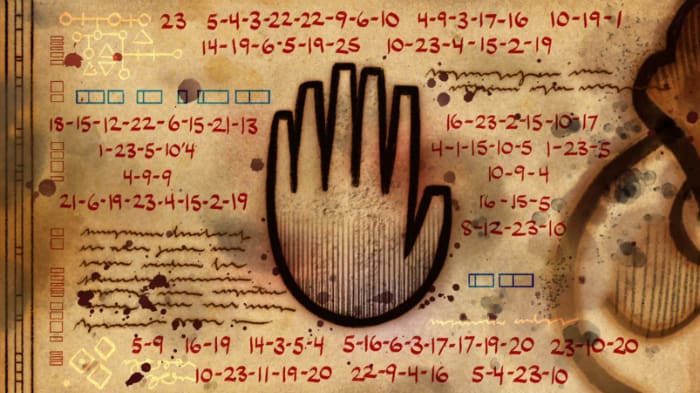
For example, the code below, from a post-credits title card, takes three successive ciphers to crack. Hints for using the always-shifting ciphers are hidden throughout the show in backward audio clips, messages in the credits (often themselves in code), and secret keys flashed for only a few frames in the background of scenes. Gravity Falls is chock full of them.

Gravity Falls Codes

And much like the ciphers and codes it peppered throughout, the show disguised clues to its deeper and darker elements, and it trusted its young audience to find and interpret them. In case you don’t know (if you don’t, here’s your last chance to bail) this is the essential story of Gravity Falls:

Twin brothers Stanley (Stan) and Stanford (Ford) Pines suffer a terrible falling out as teenagers. Stan is kicked out of the house, while Ford makes a name for himself as a brilliant scientist. Armed with a research grant, Ford moves to Gravity Falls, Oregon to study scientific anomalies, but he’s tricked and flattered by Bill, a demon from another dimension, into building a portal between Earth and a place called the Nightmare Realm, which is about as nice as it sounds. His partner loses his mind, and he falls further and further into insanity and paranoia.

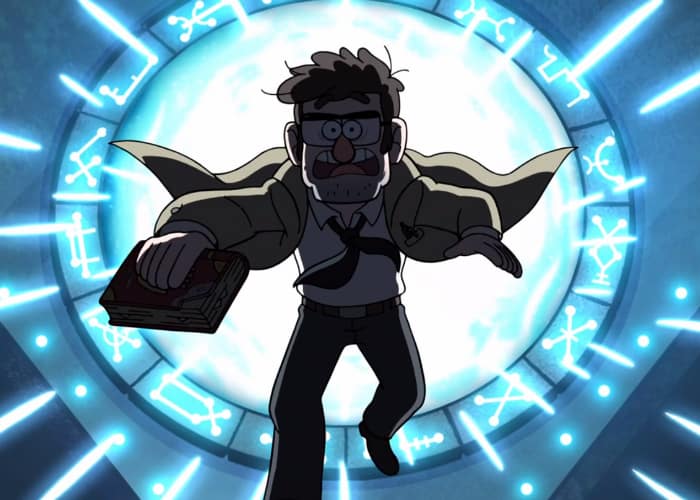
Realizing he’s been used as a force for evil but too proud to destroy his research, Ford asks for help from Stan, who’s homeless and on the run. The two reunite for the first time in over a decade, but they immediately start fighting and Stan accidentally pushes Ford through the portal, trapping him on the other side.

Gravity Falls Portal Ford

Stan assumes his brother’s identity and devotes the next 30 years of his life to bringing him back. But when he finally succeeds, he also brings back Bill, as well as all of his and Ford’s old enmity. The twins continue to fight and Bill very nearly destroys the world, until Stan sacrifices himself by erasing his own mind and taking Bill down with him. It’s only with this ultimate sacrifice that the two finally reconcile.

This is, by a lot of metrics, the main story of Gravity Falls. A man who’s been told he’ll accomplish great things is tricked and flattered into nearly destroying the world… twice. And a man who’s been told he won’t amount to anything sacrifices himself to save him… twice.

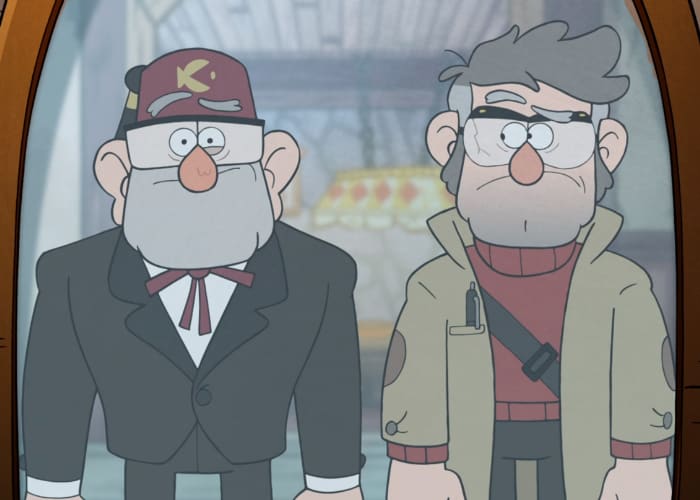
Gravity Falls Twins

But you wouldn’t know it from watching the majority of the show, because none of this actually comes to light until the 31st episode, a full three-quarters of the way through the series. Until that point, we don’t even know that Ford exists.

That’s because we enter the story 30 years after most of the plot’s events, about a month before Ford’s return. And we’re focalized not on Stan and Ford, but on their great niece and nephew Dipper and Mabel, two twelve-year-olds who don’t know the first thing about what’s happened.

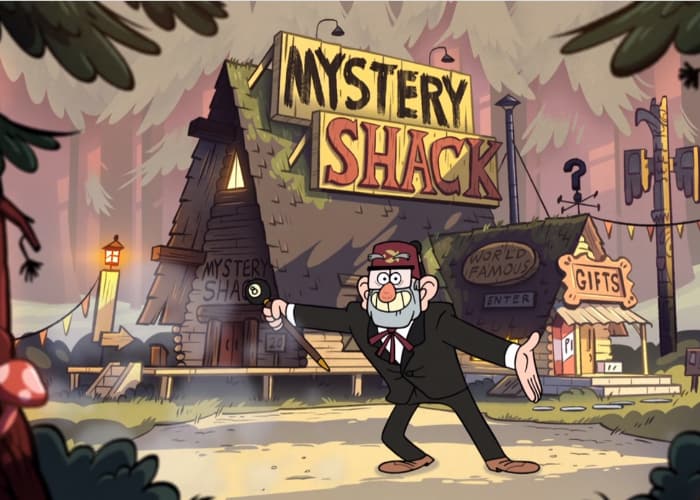
They’ve never heard of Ford, and to them, Stanley is their Great Uncle (Grunkle) Stan, an old money-grubbing weirdo who runs a tourist trap/scam called the Mystery Shack. 

Gravity Falls Mystery Shack

And that’s how we know him, too, for much of the narrative, as the bulk of the episodes follow Dipper and Mabel and their run-ins with mermen, shrink rays, and sentient Halloween candy. Early Gravity Falls is brilliant and funny and everything you could want out of a paranormal cartoon, but it’s very much about and for kids. 

Not that there’s anything wrong with that. 

In fact, it’s perfect. By introducing us to the world through the eyes of two young outsiders, the show is able to withhold a huge amount of information with a deniability that comes completely naturally. It can disguise its tragedy very easily, and that’s its greatest success.

The best example of this is Stan, who’s an incredibly pitiable character. Devoting 30 years of his life to bringing back the brother who disowned him, we can see him coming to terms, as he gets older, with the fact that he’ll probably never succeed.

But we don’t realize that’s what we’re seeing, because, for the first three-quarters of the show, he’s pure comedy.

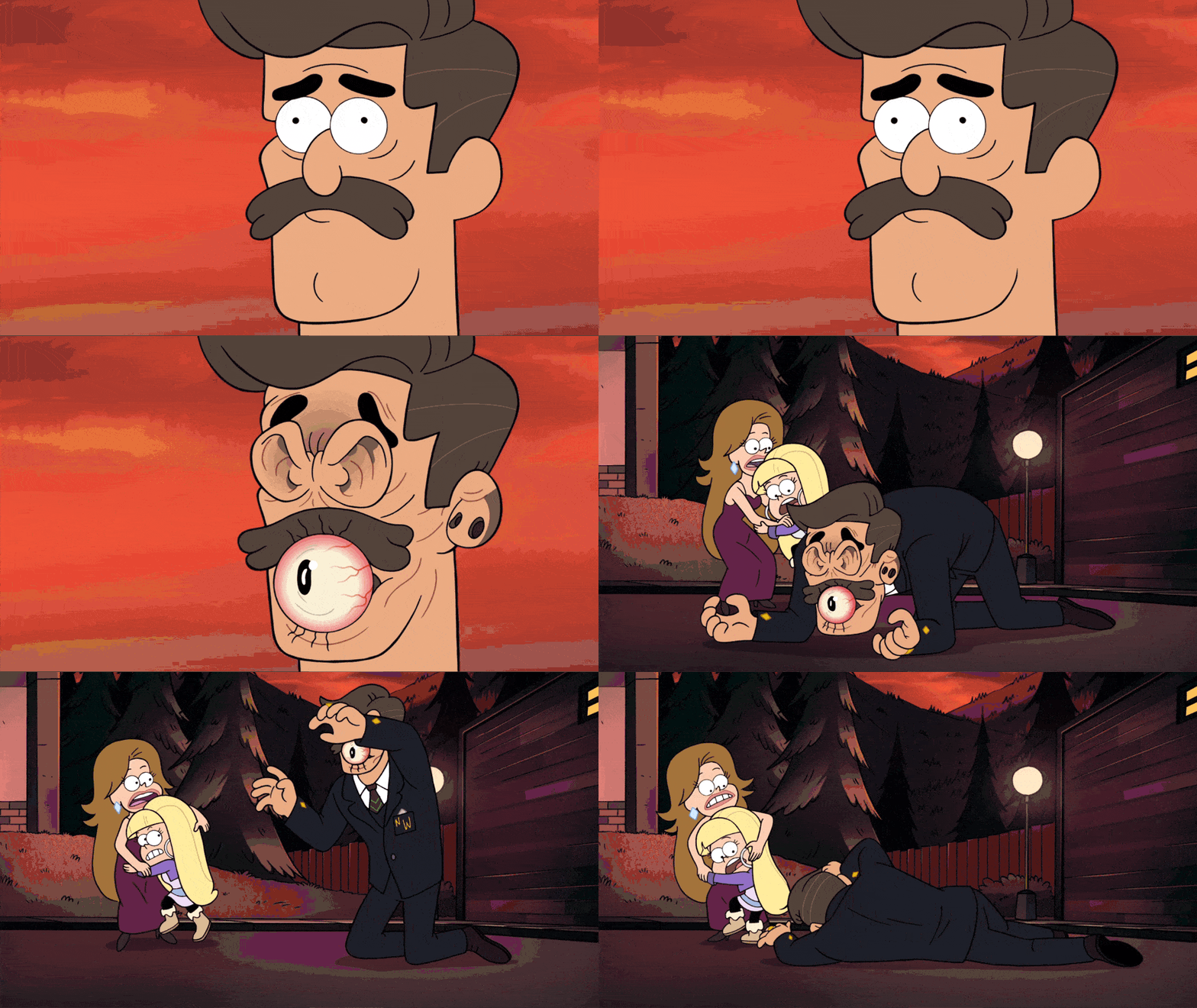
Stan runs away to Vegas and marries an animatronic gold prospector. He teaches a bear to drive. He keeps ten guns in his house in case some maniac tries to sneak in a ladder. (Keeping a ladder in the house is more dangerous than a loaded gun, you see).

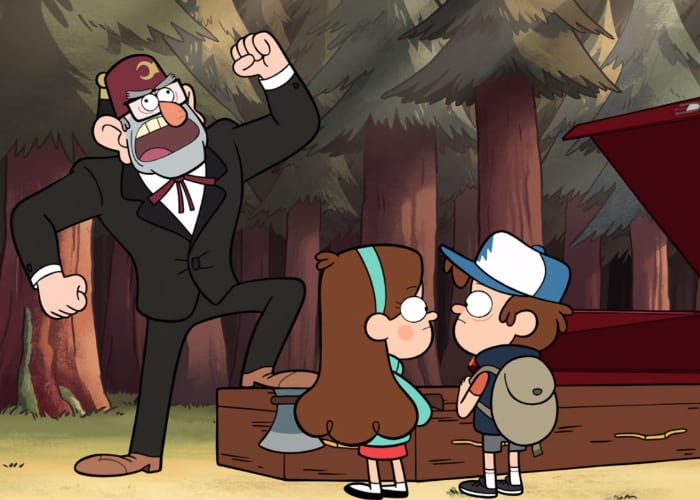
Stan is hilarious, and that’s vital. A grumpy old man seen through the eyes of two twelve-year-olds, anything and everything he does can be written off as inscrutable adult stuff.

Gravity Falls Funny Stan

And when you can reasonably explain away your character’s actions as meaningless and comedically driven, you can get away with murder.


Next Page

The post A Show for Kids: How ‘Gravity Falls’ Got Away with Murder appeared first on Film School Rejects.

Copyright © Cinenus | Powered by Blogger

Design by Anders Noren | Blogger Theme by NewBloggerThemes.com