The film industry in one place - Articles, Reviews, trailers and hype!

Tuesday, 2 April 2019

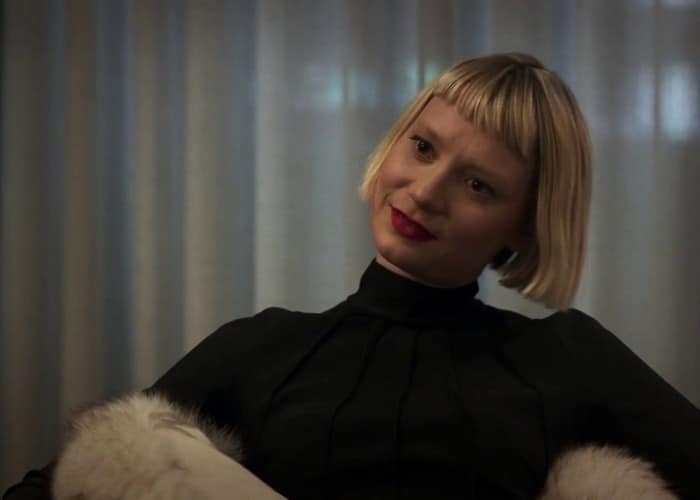
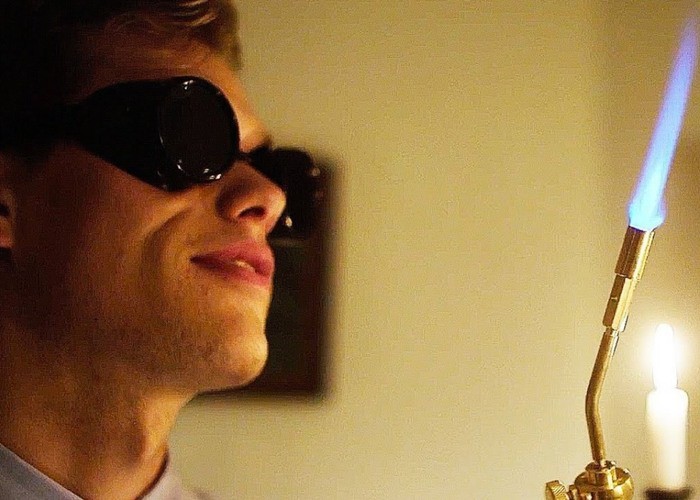
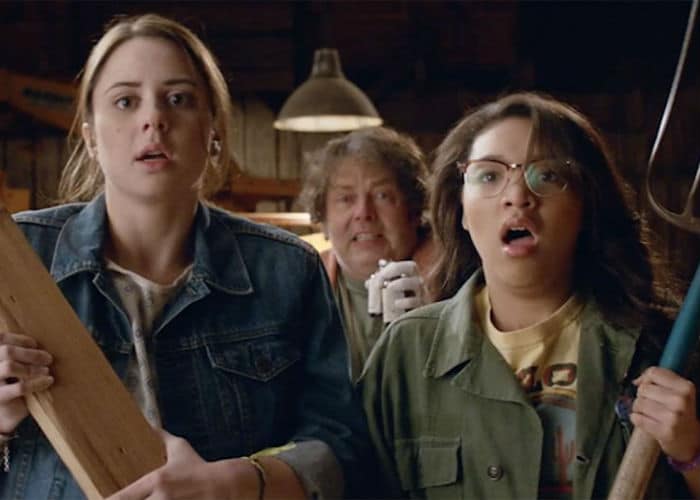
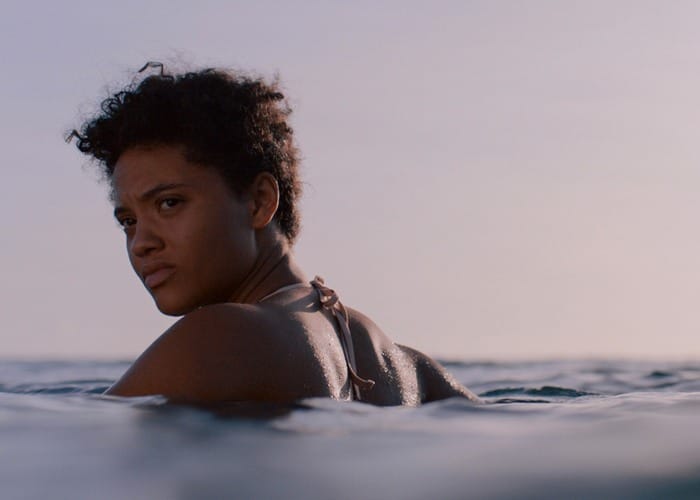
The Visionary Difference of Robert Siodmak’s Film Noir

Robert Siodmak's Phantom Lady (1944) and The Killers (1946) are showing in March and April, 2019 on MUBI in many countries around the world.
The Killers
There’s a long-told apocryphal story about German-born silent film star Emil Jannings. He was the first-ever winner of the Academy Award for Best Actor in 1929. After his career had waned, he would return to his homeland and form close ties with Joseph Goebbels, Hitler’s Minister of Propaganda. His stardom was renewed within the Third Reich’s film industry. When Berlin was reduced to rubble and Allied troops advanced on Jannings’ home, the story goes that he held his golden statuette aloft and shouted some placating words to the soldiers: “Don’t shoot, I won an Oscar!”
True or not, Jannings’ tale is a cruel sort of reversal of the reality faced by artists who were forced to escape Europe during the Nazis’ reign. Throughout the thirties, Jannings’ patron Goebbels would intimidate and publicly shame artists unaligned to the Nazi cause, particularly those of Jewish descent. After getting his start in filmmaking at the beginning of the decade, Robert Siodmak became one of those artists, born to a Jewish family in Leipzig. He had carved out a burgeoning career for himself in talking pictures at German studio UFA, alongside colleagues like Billy Wilder and Fred Zinnemann. But when his adaptation of Stefan Zweig novella The Burning Secret premiered in 1933, Goebbels openly criticized the film for its themes of adultery in the German press.
Siodmak was no fool; he knew it was time to get out. In Paris, he found a foothold and made a half-dozen feature films of all genres. But his success in France was also short-lived; like fellow German-Jewish filmmaker Max Ophüls, he would be forced to flee the Nazis a second time and head to America in 1940. After jobbing around at a few different studios, making what he later referred to as “shit,” he was signed in 1943 to a seven-year contract with Universal Studios, one of the major-minors.  
From 1944 onward—a year that would include two stand-out crime dramas from the director, Phantom Lady and Christmas Holiday—Siodmak was both hugely prolific and having something like a hot hand, though maybe this was only clear in retrospect. In his time under contract to Universal, some of the noirs he made would include: The Strange Affair of Uncle Harry (1945), The Killers (1946), The Spiral Staircase (1946), Cry of the City (1948), and Criss Cross (1949). Of these, The Killers would earn Siodmak his only Oscar nomination and his reputation for introducing both Burt Lancaster and Ava Gardner to the screen in their first major roles.  
Universal maintained a relatively low budget for these thrillers, shot on tight shooting schedules of under a month and rarely costing more than $500,000. Siodmak never worked consistently with the same set of cinematographers in his time at the studio, which does further the case for his unique German influence on the appearance of his films. Several film critics of the era could be found specifically crediting Siodmak for his “specialty” in thrillers, praising him for his “smart shifts of camera emphasis” (Variety)  and “the way his scenes are sculpted in dark and light” (Manny Farber). His primary talent, even beyond his taut plotting and taste for suspense, was as a stylist. Directorial influence and visual style was not always a priority for the wartime film reviewer; often, with genre pictures like these, mention of the star power of a cast or the involvement of a big-name producer would suffice. Even still, it was virtually impossible not to appreciate Siodmak’s visual flair, and it went remarked upon by many. This unspoken language, leaning back into German Expressionism and the symbolism of silent cinema, would be a vital maker of meaning in Siodmak’s most famous film noirs. The way he lit amoral gangsters’ molls could turn them into avenging angels; his use of deep focus could reveal fractures in the psyche of sympathetic local street cops; de rigeur heist scenes were ghostly and surreal.
The Killers remains what is among the most exemplary film noirs ever made, scripted partly by John Huston from a story by Ernest Hemingway. Without any verbal cues, it’s all in the frame: Burt Lancaster's masculine health and vigor is drawn in sharp relief against Gardner's black widow spider, with her slow, poised movements and cold elegance. Gardner is pure villainess: the woman who is deceitful because she can be, because it delights her to toy with men. She woos the vulnerable Swede (Lancaster) and spellbinds him so completely that her warning—“I'm poison, Swede, to myself and everyone around me”—goes unheeded. And she is: so black-hearted that she not only cons Swede into betraying his partners, but cons her way back to her husband, the ringleader of the gang. Like so many femme fatales, Gardner undergoes ritual punishment by the conclusion. But it’s her defiance that’s most memorable: her attitude and appearance fly in the face of domesticated mid-century femininity, and it’s largely down to how Siodmak frames and films her.
In the clipped, high-modernist stylings of the jazz club scene in Phantom Lady, the jagged angles and exaggerated close-ups Siodmak employs are striking. Much has been made of Elisha Cook Jr.’s furious drumming sequence and its blatant parallels to sexual climax, but the moment that lingers most is one just before that. Ella Raines is there to trick her jazz-loving date into giving her information on a frame-up. In one Dutch tilt close-up of Raines’ face as she surveys the cramped little hangout, her beautiful features are fraught with a mixture of trepidation and steel-spined tenacity. Bursting into the corner of the frame behind her, in a pocket left by the angular composition, comes the sweaty, amorous visage of Elisha Cook Jr. attempting to lean into her soft neck. It’s a literal invasion of her space, but also an interruption into her moment of reverie.  
A lustful man breaking into the interiority of a female protagonist, visualized as the pest that he is, is a remarkable moment and a real signifier of Phantom Lady’s difference. This is not your ordinary film noir, where the eroticized woman welcomes the stares of both viewer and male screen inhabitant; here the viewer’s own look at Raines is disrupted by an interloper. The simple directive of “girl walks into a tiny jazz club” is inflected here with lively sensuality, insidious suggestion, and even a little bit of progressive intent where its women are concerned.
After all, the only person in Phantom Lady who dares to tell Ella Raines’ sleuth that she’s doing “a job for a man” is the psychotic killer played by Franchot Tone. Given that she’s investigating his crimes, it’s a point we can feel free to ignore. But Phantom Lady also distinguishes itself by its women who were behind the scenes; Joan Harrison, a former screenwriter for Hitchcock, worked as executive producer for the first time on the film. Harrison and Siodmak presumably collaborated well together, for they would reunite the following year, 1945, for The Strange Affair of Uncle Harry. In a 1946 interview with Harrison in Screenland magazine, she talked through the process of carefully casting the film alongside Siodmak—and even ultimately having final cut over him. It was well-known that he was a director who worked well within the studio system, with a reputation for reliability and the ability to gently coax producers into making the adjustments he craved. Still, by the early 1950s, film noir was on its way out, and Siodmak, who was known first and foremost for that style, struggled to make the work he wanted to. He left California for Europe in 1952, fed up with poor material and bratty movie stars.
“I got out of Germany just ahead of Hitler and out of Hollywood just ahead of CinemaScope,” Siodmak used to joke. He could afford to be blasé about it like few could. In that decade between 1941 and 1951, along with his émigré fellows, he would create work that was inevitably influenced by the darkness of the recent past. Jewish-German filmmakers like Siodmak had survived, compromised, and been made to fear for their livelihoods and lives by the encroaching German Reich. This would come to bear on the style and mood of the films he would make in Hollywood, and in Siodmak’s case, would help to reinvent the visual vocabulary of the American crime thriller.


Game of Thrones: All The Season 8 Predictions and Theories You’ll Ever Need

In this series…


This article was co-written with Ciara Wardlow

It’s the eve of the end of the world as we know it; the final countdown to the final season of Game of Thrones. And then, no more dragons. No more Starks. No more jokes about whatever it was Podrick Payne did in that brothel. Sure, there will be the prequels, but they will be prequels. The universe doesn’t really have a good track record with those. But we digress. The point is, we’re in the lead-up to the beginning of the end, and it’s been a long time coming. And we’ve gone nearly two years without that sweet, sweet GoT content. Which still isn’t nearly as long as we waited to find out where Gendry rowed to, but still, it’s been awhile.

But the hiatus doesn’t mean the fandom has been sleeping. Far as we can tell, that behemoth does not sleep. And in the interim, the interwebs have put a truly stunning amount of energy into guessing what these last six episodes will bring. The dorks have been building their cases. Gathering their evidence. Prepping their witnesses. Maybe you haven’t been super active in the speculating community these past few years—or hey, y’know, ever—but fear not. Because we’ve gone and done the work for you. We’ve crawled through the depths of Reddit and the yawning chasms of fan forums. We’ve looked into the abyss of YouTube and sailed the ship-infested waters of Tumblr. All to bring you a sampler platter of the biggest, best, and in some cases, the most…creative fan theories on the web. Strap on your tinfoil hats and whip out your whiteboards, because things are about to get speculative.

THE NIGHT IS DARK AND FULL OF SPOILERS FOR ALL SEASONS INCLUDING SEASON 8 IF WE’VE DONE OUR JOBS WELL.

All The People Who Might Have Secret Birthrights

Tyrion Lannister

Yes, Game of Thrones has already had one major parentage reveal with Jon Snow, the secret child of Rhaegar Targaryen and Lyanna Stark. But that doesn’t mean there isn’t room for more.

Tyrion is a Targaryen [Probability: Low]

The only thing that refuses to die more than Lord Beric Dondarrion is the fan theory that the Mad King is really Tyrion’s dad. There’s some supporting evidence: namely, Tywin’s remarks about Tyrion not being his son and Tyrion’s ability to un-chain Rhaegal and Viserion without getting incinerated. With Viserion being all icy and whatnot, Rhaegar’s “the dragon has three heads” business seems unlikely. Also, considering that we’ve been building narratively to the reveal of Jon’s lineage for the whole dang show, a speedy “and Tyrion, too!” would feel massively unearned.

Gendry is a trueborn Baratheon [Probability: Low]

Remember back when Cersei Lannister told Catelyn Stark she had a black-haired baby boy who died in infancy before Joffrey—a story which she brought up again later in the season in a conversation with her husband—and all the book-readers were like “WTF? I don’t remember that part!?” Well, the fan forums do, and at least a few people have thrown out the theory that Gendry could actually be the trueborn son of Robert Baratheon and Cersei Lannister. The evidence? Gendry’s backstory is a little weird. Tobho Mott, the blacksmith who Gendry worked for, says an unspecified nobleman paid him to double the customary apprentice fee to take on Gendry as a boy, and the identity of his benefactor remains unknown. Considering Cersei’s less than stellar feelings towards her late husband, she might not want to raise a son of his. Particularly one bearing a strong resemblance to him. While fun, the whole theory is still a huge stretch and would make for a major plot twist with no clear purpose considering Gendry has shown no aspirations for power. In any case, even if he tried to stand between Daenerys and the Iron Throne, Drogon would incinerate him in two seconds flat.

Tormund is Lyanna Mormont’s father  [Probability: Low]

Remember all his jokes about fucking a bear? Of course you do. Basically, the fan theory goes that said bear was a Mormont woman, specifically Lyanna’s mother. An intriguing concept, but it’s hard to imagine how it would become plot-relevant.

If he dies, Jon’s roots will be kept a secret [Probability: Medium]

Assuming Jon kicks it before his Targaryen roots become common knowledge, we think it’s probable that those in the know will keep his birthright to themselves. He may have Targaryen blood but he’s a Stark through and through and that’s probably how he would want to be remembered. 


Next Page

The post Game of Thrones: All The Season 8 Predictions and Theories You’ll Ever Need appeared first on Film School Rejects.

The Best Horror Movies of 2019 So Far

Depending on who you ask the horror genre has either been saved with recent high-profile hits (Hereditary, Us) or was never in need of saving in the first place. Anyone who claims the former should be ignored, obviously, as horror movies have been terrifying, thrilling, and entertaining us for a century. 2019 is already looking good for the genre, and while our official end of the year lists are still nine months away I wanted to highlight the best releases of 2019 so far.

For genre lists like this, I don’t limit myself only to films that have been officially released in the US. My single requirement is that the film be released for the first time between January 1st and March 31st — to theaters, VOD, Blu-ray, DVD… or film festivals. This means that while some of the films below have been/will be released others are still in need of a US distributor. All of the movies here deserve that so distributors take note!

Keep reading for a look at the ten best horror movies of 2019… so far.


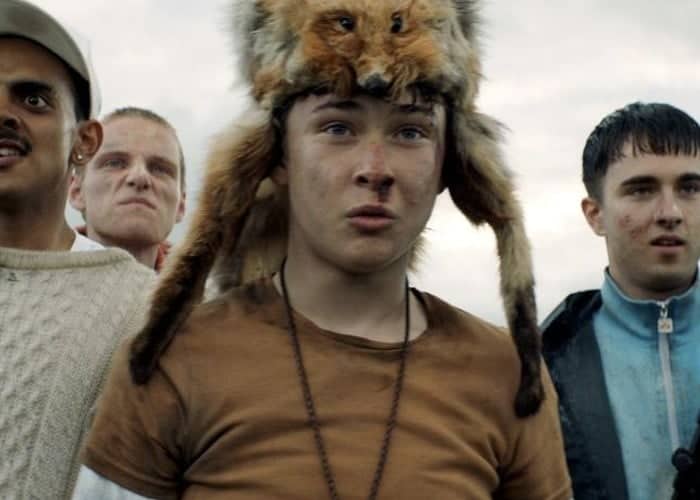
Boyz in the Wood

Boyz In The Wood

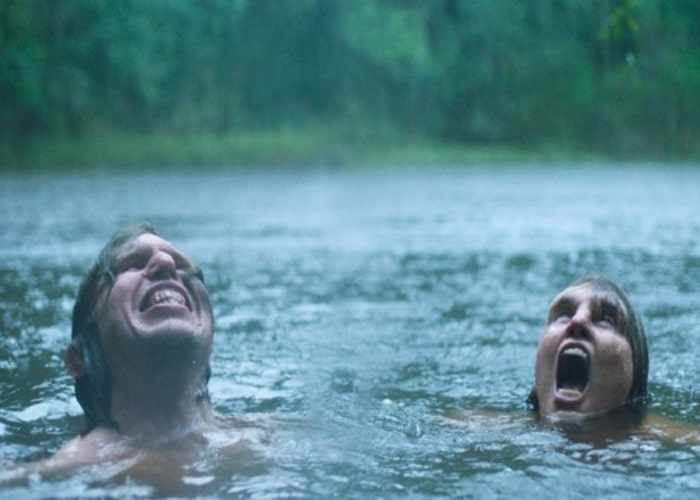
Survival horror films are often grim affairs pitting potential victims against threats both human and otherwise, but there’s no reason the most dangerous game can’t also be ridiculously enjoyable. This Scottish romp sends a quartet of unruly teens into the Highlands while a masked man with a silver spoon in his mouth hunts them down, and it still manages to find thrills and heart amid the hillsides and bloodshed. Friends, class warfare, and rabbit shite go a long way.

[My review; no US distributor or release date]


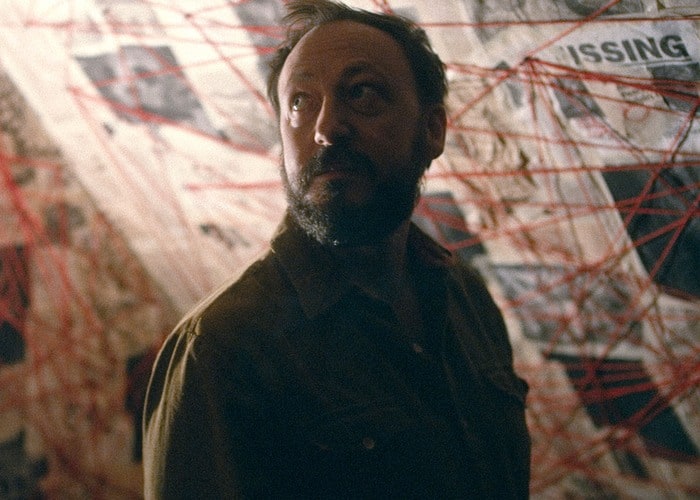
I Trapped the Devil

I Trapped The Devil

This debut effort by writer/director Josh Lobo sinks its hooks in early will an irresistible premise — it’s Christmas time, but while others celebrate, one man is dealing with the fact that he has the devil trapped in his basement. Things get even more complicated when family arrives, and the film does good work leaving viewers uncertain at first if the prisoner is actually an evil threat or just a stranger caught up in madness. Strong performances, a solid ending, and a touch of the under-loved Mister Frost add to the fun.

[Opens April 26th, 2019]


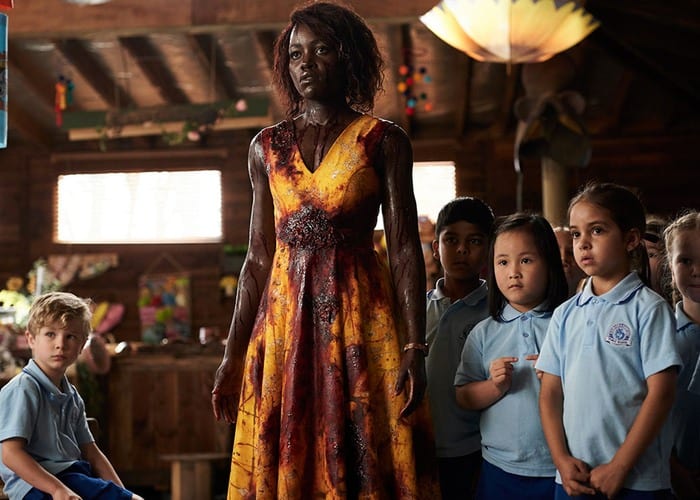
Little Monsters

Little Monsters

Every time we think we’ve seen the best of what the zom-com genre has to offer a new one comes around to thrill and delight viewers, and for 2019 that zombie comedy is Abe Forsythe’s Little Monsters. Ignore the forced romance and focus on the genius of putting Lupita Nyong’o in the lead role of a dedicated kindergarten teacher ready to face off against the undead to keep her students safe. Big laughs, lots of blood, and a ridiculously fun turn by Josh Gad help make this an entertaining and uplifting winner.

[No release date]


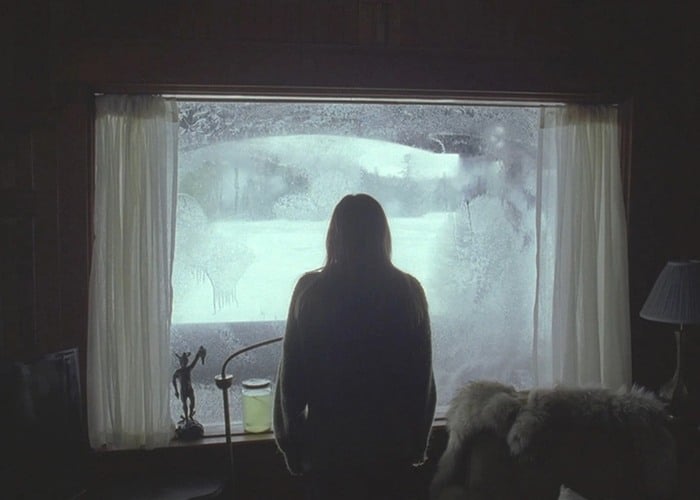
The Lodge

The Lodge

Slow burn horror is definitely an acquired taste, but fans of beautifully crafted chills heavy with atmosphere, terror, and uncertainty will most likely love this follow-up from the filmmakers behind Goodnight Mommy. The always fantastic Riley Keough gets a rare lead role here and kills it with a character who shifts effortlessly back and forth between someone we fear and someone we fear for. It’s a gorgeously shot nightmare capturing well the icy dread of winter and the cold breath of the dead on the back of your neck.

[My review; no release date]


Piercing

Piercing

Takashi Miike’s Audition remains an absolute gem of madness, brilliance, and darkly comic terror, and while he’s a big part of that the source novel by Rya Murakami is equally deserving of credit. Director Nicolas Pesce takes the reins on another Murakami adaptation, and the results are equally memorable. A young man sets out to kill a random prostitute, but instead he finds a love story, of sorts, about two people finding each other at the best possible time. Or maybe the worst. It’s really all about perspective (and pain).

[My review; currently available on Blu-ray/DVD/streaming]


Pledge

Pledge

It’s understood that hazing rituals at fraternities and sororities across the country are unnecessary, potentially dangerous, and not something the average person would put themselves through, but each year we’re reminded that some college freshman are below average. This tightly crafted and frequently fun horror/thriller digs into that world with a fresh take on the topic delivering some highly entertaining suspense beats on it way towards a solidly unexpected ending.

[Currently available on DVD/streaming]


Snatchers

Snatchers

Horror/comedies are killing it this year, and it’s only April! This delightful romp started life as a web series before being retrofitted into a deliriously fun feature that feels at times like the unholy and hilarious love child of Mean Girls, It’s Alive, and Juno. A status-focused teen is forced to confront the reality of icky creatures, monstrous mind control, and the biological unfairness of mammalian pregnancy, and the result is a movie that’s as sincere in its observations on friendship as it is in its embrace of gooey and gory practical effects.

[My review; no US distributor or release date]


Sweetheart

Sweetheart

Blumhouse films vary in quality but are fairly consistent in their low budgets, and that means the best come from filmmakers who have a strong script and the ability to do a lot with fairly little. Writer/director J.D. Dillard has given genre fans one of the studio’s best with his directorial debut — a terrifically entertaining slice of survival horror that drops Kiersey Clemons on an isolated and desolate island in the middle of nowhere. What starts as Castaway shifts into a lively and thrilling creature feature, and that’s all you need to know going in.

[Our review; no US distributor or release date]


Us

Us

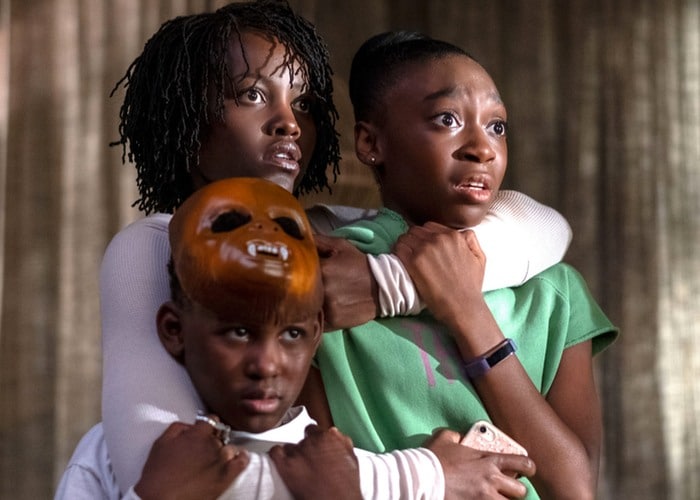
Jordan Peele’s follow-up to Get Out (2017) is better in some ways and a lesser experience in others, but at its core the film delivers with a thrilling home invasion tale that sees a family of four terrorized by their doppelgangers. It’s a fun watch complete with action, laughs, and one hell of a lead performance by Lupita Nyong’o, and while Peele’s disinterest in narrative logic is clear he has a masterful eye and mind for visuals and metaphor.

[Our review; currently in theaters]


The Wind

The Wind

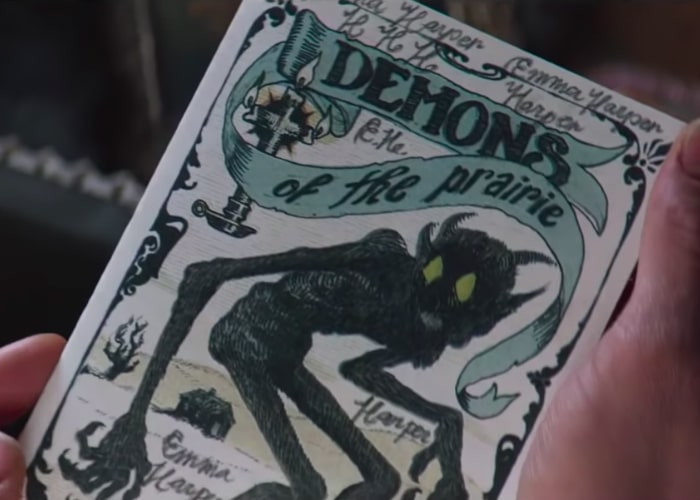
Horror westerns are a sub-genre worth loving — Sundown (1989), Ravenous (1999), The Burrowers (2008) — but there aren’t nearly enough of them. Director Emma Tammi’s feature debut fills that niche with an atmospheric slow burn set against the lonely expanse of a desolate prairie. The film is a beautifully shot descent into madness that captures well the entwined feelings of fear and isolation, and its focus on the female experience offers a refreshing counter to the western’s usual masculine tone.

[Our review; opens April 5th, 2019]


Runners Up: Escape Room, Girl on the Third Floor, The Hole in the Ground, Pet Sematary

The post The Best Horror Movies of 2019 So Far appeared first on Film School Rejects.

The Freedom of the Freeze Frame in ‘Thelma and Louise’

The best use of a freeze frame for the final shot in a film isn’t The Breakfast Club, it’s Thelma & Louise. The 1991 Oscar winner for Best Orginal Screenplay shows the transformation of isolated housewife Thelma (Geena Davis) and cigarette-loving waitress Louise (Susan Sarandon) into the notorious eponymous duo on the run to Mexico. Essentially, it’s the feminine manifesto on how to leave domestic life behind for the freedom of being outlaws.

One of the most memorable moments of the film is the ending. After an intense police chase through the desert, Thelma and Louise choose to drive their ’66 Thunderbird off of a cliff rather than being caught by the police. However, the audience doesn’t see the actual crash. Aided by a powerful and emotional score from Hans Zimmer, the car freezes in mid-air and the screen fades to white.

The freeze frame ending creates ambiguity by never confirming the women’s deaths. In this way, it is reminiscent of Butch Cassidy and the Sundance Kid, in which the titular characters’ story ends in a freeze frame before they presumably go out in a blaze of glory. Instead of being a dreary, expected fate for the outlaws, the scene almost feels hopeful. This idea is the same for Thelma & Louise. When the Thunderbird freezes in mid-air, it exemplifies the film’s theme of freedom as the women were able to take control of their fate.

However, this wasn’t the only ending proposed for the film. Although it’s not marginally different than what was ultimately used, an alternate ending included on the film’s DVD release shows the moment that happens just after the freeze frame; here, the Thunderbird makes its descent into the canyon as Investigator Hal (Harvey Keitel) and the rest of the police can only watch. The film ends with Thelma and Louise driving off into the distance, presumably in the afterlife.

The assumed afterlife scene occurs in the same location as the opening credits, giving the impression that the women were destined to die in that canyon from the beginning. This scene would thus hurt the film’s message of freedom since it takes away any autonomy the women thought they had. If they were destined to die, then everything that led them to that moment on the cliff was not their choice. This implies there was nothing the women could have done to change their fate.

With that said, the DVD release didn’t show the only different ending for the film. According to an Entertainment Weekly interview with Sarandon, another alternate ending was discussed between her and director Ridley Scott. “He said, ‘You might push her out of the car or something,’” she recalled.

Thankfully, this ending remained theoretical and did not make it into the final cut. After all, if Louise saved Thelma, the entire message of the film would have changed. No longer would it be the two women against the world, but rather one of them paying the ultimate price to save the other. This action ruins the moment when Thelma says “something’s, like, crossed over in me and I can’t go back,” since it would be Louise condemning Thelma to return to her old life and face the consequences for both of their actions. Pushing Thelma out of the car would save her life, sure, but the life she’d go back to would not be the one she wants to live anymore.

With the actual ending, on the other hand, both women choose their destiny together. This ends the argument of whose fault it is for why the women are on the run, whether it was Louise for shooting Harlan (Timothy Carhart) when he attacked Thelma or if it was Thelma for the armed robbery. By making their final choice together, they both accept fault. The film emphasizes this decision by ending with the Thunderbird in mid-air, where no clear fate is defined for the women except for the one they chose. Thus, the final freeze frame sets the women free because nothing can stop their decision to “keep on going.” Not their old lives, not the police, and certainly not gravity.

The post The Freedom of the Freeze Frame in ‘Thelma and Louise’ appeared first on Film School Rejects.

‘Dumbo’ Began Life As A Failed Novelty Concept

We are not far off from the apocalyptic future imagined by David Mitchell’s Cloud Atlas. You may be able to debate whether or not cannibalistic slavers will ever rule over society, but considering the recent corporate consumption of 21st Century Fox, there is little doubt that all future entertainments will be referred to as “Disneys.” The Mouse House’s total box office domination is a cultural certainty, and the impending arrival of the Disney+ streaming service should even have Netflix quaking in their boots. The Walt Disney Company is a monolithic monster, but we’re happy to ignore its viral planetary takeover as long as we get a decent Fantastic Four movie out of the deal.

The sovereignty of Disney was not always a certainty. In 1940, with only three feature films under their belt, Walt Disney Production’s prosperity looked rather grim. Both Pinnochio and Fantasia were duds. America was on the precipice of World War II, and global distress distracted from animated pleasantries. Walt needed a hit, and he needed it achieved on a barebones budget.

A year earlier, a new company called Roll-A-Book sold Disney the rights to an unpublished eight-page story entitled Dumbo, the Flying Elephant. Actually, they weren’t really pages, they were panels, like a comic book, wrapped around a scroll jammed inside a little plastic box. The reader would turn a knob on the side, and the panels would rotate from north to south through a small window on the front of the box. Finally, a solution to all that heavy page-lifting. Phew.

Written by Helen Aberson and Harold Pearl with illustrations by Helen Durney, the story doesn’t focus on a baby elephant but simply a tiny fella with enormous pink ears. He becomes the laughing stock of the circus after he fumbles a rubber ball balancing act, but his good friend Red the Robin takes him to the Wise Owl for emotional support. Recognizing the humorously large ears attached to his head, the Wise Owl suggests that he may be able to catch some wind beneath them. He gets some quick lessons from both Red and the Wise Owl, and the story concludes with Dumbo swooping into the big top arena and finally receiving uproarious applause from the audience. Acceptance feels good.

Bing bang boom, there is not much there, but the simpler the better as far as Walt Disney was concerned. When he purchased the rights from Roll-A-Book, he intended to transform the short story into a short film. However, Disney felt that both Pinnochio and Fantasia failed to connect because they were emotionally complex. Dumbo presented a story of a cute little underdog born from an elementary drawing style that instantly plucked heartstrings. Cute is cute and easily sellable.

Disney assigned trusted storymen Dick Huemer and Joe Grant to stretch the eight pages into a 64-minute feature. They wrote the script in chapters and submitted them to Disney in that fashion. The big man would nod his head, offer encouragement and advice, and the writers plugged away until they had something no American could refuse. Red the Robin was switched out for Timothy Q. Mouse, Dumbo was transformed into an even more adorable baby, a bad case of paternal separation anxiety reared its ugly head, and a fiery catastrophe was positioned as the climactic hurdle for the hero.

With the adaptation secured, the film launched into a rapid-fire production at the start of 1941 with a schedule to get the film into theaters by October of the same year. Supervising Director Ben Sharpsteen was given instructions to make it as inexpensive as possible. Where their previous efforts allowed for rich, fluid detail, Sharpsteen embraced cartooning on Dumbo. Not only did that mean less linework, but also liberal use of “held cels” (usually reserved for stationary elements like chairs or tables) for character animation. Backgrounds were often reduced to blank surfaces or flat colors. If a corner could be cut, Sharpsteen scissored away.

To make matters worse, almost immediately after completing preliminary animation on Dumbo, most of the staff went on strike because Disney refused to sign with the Screen Cartoonist’s Guild. Labor unions were taking over Hollywood at the time and were causing more than their fair share of anxiety. This strike is often considered the moment in which The Walt Disney Company ceased being a family organization and became the proper corporation we know it today. The strike lasted five weeks and left only 694 employees on the payroll. Disney elicited some petty revenge on the people he deemed responsible (primarily renowned animator Art Babbitt) by inserting their caricatures into Dumbo as a group of maniacal circus clowns. Don’t cross the mouse.

When RKO Radio Pictures finally received the completed project from Disney, the distributor was more than a little disappointed by Dumbo’s runtime. RKO pleaded with Disney to either bulk up the feature, cut it down to a short, or allow them to push it out with a B movie strategy. Disney refused. Again, they didn’t have the money or the desire to create any additional work. RKO eventually shrugged their shoulders and released the film as is.

Miraculously, Dumbo was the smash hit Disney desperately needed. With a budget of only $950,000 (half the price of Snow White and the Seven Dwarfs and a third of the price of Pinnochio), Dumbo raked in $1.6 million (that’s $27.5 million today) during its initial theatrical run. The cute little underdog elephant snatched American hearts, and Time magazine was planning on naming Dumbo “Mammal of the Year” until the Japanese attack on Pearl Harbor radically altered that news cycle. Still, the film planted itself in the cultural consciousness, and the next year the Academy Awards gave it the Oscar for Best Scoring of a Musical Picture and nominated it for Best Original Song (“Baby Mine”). After the war, in 1947, the Cannes Film Festival gave it their award for Best Animation Design.

What about Roll-A-Book, the originators of the Dumbo tale? Ah. Four years after selling Dumbo’s rights to Disney, Roll-A-Book changed its name to Characters, Inc. Their prototype concept never landed in the market with any real significance, and by 1970 they dissolved completely. Finding copies of the original Roll-A-Book seems nearly impossible and it’s unclear as to how many/if any were ever produced. In 1941, a softcover version of Dumbo, the Flying Elephant was published minus Helen Durney’s illustrations. The Disney brand is not mentioned anywhere on the book itself, but it is believed that the drawings within were created by house artists.

The Walt Disney Company would continue to struggle financially throughout World War II. Despite Dumbo’s box office success, their follow-up film Bambi struggled to recoup its much larger, more confident budget. They threw themselves into military propaganda films as well as a new theatrical rerelease strategy with Snow White and the Seven Dwarfs in 1947. If you didn’t love their films on the first go-around, you’d adore them on your second, third, fourth, fifth watch. Persistence was always the key for Walt Disney. Fake it till you make it. As long as he kept himself on that big screen, he knew we would accept him eventually.

The post ‘Dumbo’ Began Life As A Failed Novelty Concept appeared first on Film School Rejects.

The Horrors of Confined Space in ‘Misery’

Stephen King’s oeuvre is widely comprised of horror stories that find grim potential in the corners of everyday human experience, and the film versions of his literary works bring these nightmares to life with a special fervor. An essential piece of that filmography is the 1990 adaptation of Misery, a story that experiments with boundaries and constraints, both physical and mental.

The Rob Reiner-helmed picture follows famous novelist Paul Sheldon (James Caan), who gets into a terrible car accident and wakes up in the home of a seemingly friendly woman, Annie Wilkes (Kathy Bates). Annie tells Paul that she’s his number one fan and will be glad to nurse him back to health — but as she begins to breach personal space and confines her patient to his bed, it’s clear that the walls are closing in on Paul.

The film’s claustrophobia functions on two parallel levels: the literal and the analogous. At first, Paul is confined to his bed because he simply can’t move; he has a set of broken legs from the crash, a bad shoulder, and a beat up face. His bed-ridden state soon leaves him at the mercy of Annie, who reveals herself to be a crazed psychopath obsessed with Paul and his romance novels. Where he was once imprisoned by his broken body, Paul is now imprisoned by the woman who took him in; after reading the final installment in his most famous series, Misery, in which the titular character is killed off, Annie decides that she won’t let him leave until he rewrites it to her liking. Here, feelings of confinement manifest in a literal sense, as the protagonist is detained by his captor, and indeed, by the camera at some points.

When we first meet Annie, Paul has just come to after the car wreck. The camera gazes from Paul’s perspective, shifting in and out of focus, panning up to the ceiling, and glancing at a wall, before turning its attention to Annie, who looms over in such a way that feels all too familiar: it recreates the discomfort of having another person encroaching. The horrors that Paul suffers under Annie’s watchful eye are amplified by an enduring sense of escapelessness, made uniquely frightening by the camera’s proximity to her angry face, intruding hands, and fast-approaching footsteps. Misery traces its anxiety from the sensation of being in an enclosed space with no realistic escape route — it captures a feeling of pure paralysis that transfers from its victim to the viewer.

Annie and Paul are treated inversely by the film in terms of the way they each take up space. She is the one who infringes, who crosses preconceived limits, who enters and exits the room at her own desire. Even when the door of the bedroom is open, she often dwells within the entrance, acting as a makeshift barrier. When Annie is mad, she approaches the camera swiftly, her face filling up the frame and pushing against its four borders, threatening to shatter them; she’s the monster. All of this is in contrast with Paul’s helplessness, which endangers him. When the camera rests on his face, it feels as though he’s at risk of being crushed by the frame — not the other way around.

The film’s claustrophobia is analogous, too, functioning as a sort of proxy for Paul’s fame. His car accident occurs as he’s driving back from a cabin, where he’s just finished writing a new novel that is supposed to mark a new chapter in his career after the Misery series: “I haven’t been a writer since I got into the Misery business,” he tells his agent disdainfully, before the crash. Paul’s most well-known works kept him boxed in, unable to pursue other stories for many years. Once he’s in Annie’s presence, his experience as a celebrity in the presence of an obsessive fan is rather like looking at a one-sided mirror: people often know more about him before he knows a single thing about them. Because he doesn’t know Annie, her first outburst comes as a shock, indicating that he’ll have to tiptoe around an invisible line for his own safety. This perversion of privacy and strangership feels confining in its own way, and it’s the primary reason that Paul is being subject to Annie’s torture.

Annie is almost always nearby, and she doesn’t just cross a physical threshold. Part of her villainy lies in her dazed, creepy endearments, further breaching abstract emotional boundaries, leaving Paul trapped not just by the room’s four walls but by her obsessive declarations of love: “When you first came here, I only loved the writer part of Paul Sheldon. Now I know I love the rest of him, too.” There’s already something deeply uncomfortable of being on the receiving side of unrequited love, but when it’s offered by a lunatic who wants to kill you, that feeling quickly devolves into one of terror. In Misery, Paul’s fight for survival can only be realized if he busts out from these spaces of imprisonment.

The post The Horrors of Confined Space in ‘Misery’ appeared first on Film School Rejects.

What’s New to Stream on Amazon Prime Video for April 2019

Amazon Prime is the only streaming service with a cost that also gets you free shipping, and that my friends is a deal. They’re in the Original programming game, but their biggest offering remains the ton of films available to watch anytime for Prime members.

The complete list of titles hitting Amazon Prime this month — April 2019 — is below, but first I’m going to shower some affection and point some eyeballs towards a few specific titles.

Red Dots

Amazon Prime Pick of the Month

Bosch Season Screenshot

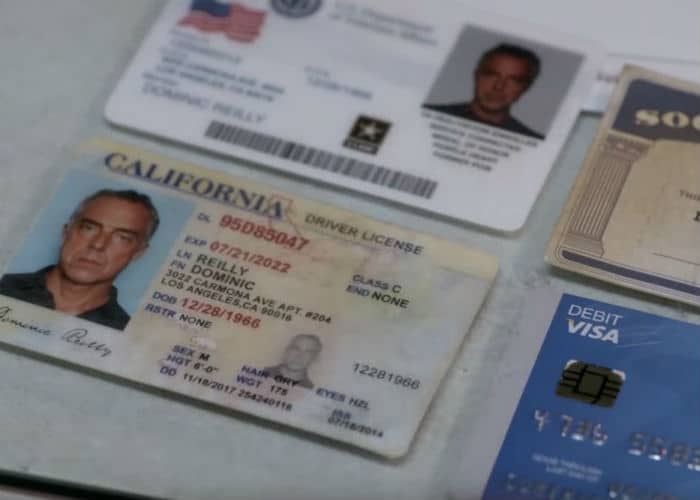
Not enough of you are talking about the Prime series Bosch, but with season five arriving on 4/19, I’m hoping that will change. The show is based on the long-running detective series by Michael Connelly, and each season pulls from one or more of the novels for narrative threads. The series features a strong ensemble cast with the heart and soul being the always brilliant Titus Welliver in the lead role. It’s just fantastic television with compelling mysteries, great character work, and the occasional burst of violence. Start from the beginning… or don’t. Just watch the damn thing.


The Blade Trilogy!

Blade

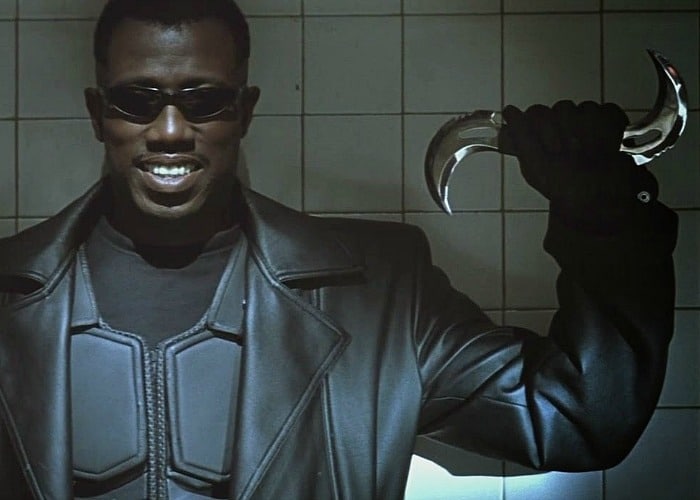
The three films that make up the Blade trilogy aren’t equal in quality, but it’s a great character given room to breathe and slaughter across a wide canvas so what’s not to love? Blade (1998) remains a high-point introducing Wesley Snipes as the vampire vampire-slayer, but Guillermo del Toro’s Blade II (2002) is honestly every bit as good thanks to some additional world-building, killer action, and fantastic physical f/x work. Blade: Trinity (2004) is also new to Prime.


RIP Larry Cohen

Liberty Stands Still

We lost one of the greats recently with the passing of writer/director Larry Cohen, and if you haven’t already done so I highly recommend you seek out some of his numerous gems including The Stuff (1985), God Told Me To (1976), and It’s Alive III: Island of the Alive (1987). Sadly, none of those are coming to Prime this month, so the next best thing is a movie that bears a slight similarity to the Cohen-scripted Phone Booth (2002)… Liberty Stands Still (2002). The film sees a sniper hold a woman on the phone and in place under the threat of death while his motivation is slowly revealed. The phone booth is traded for a hot dog stand, but still.


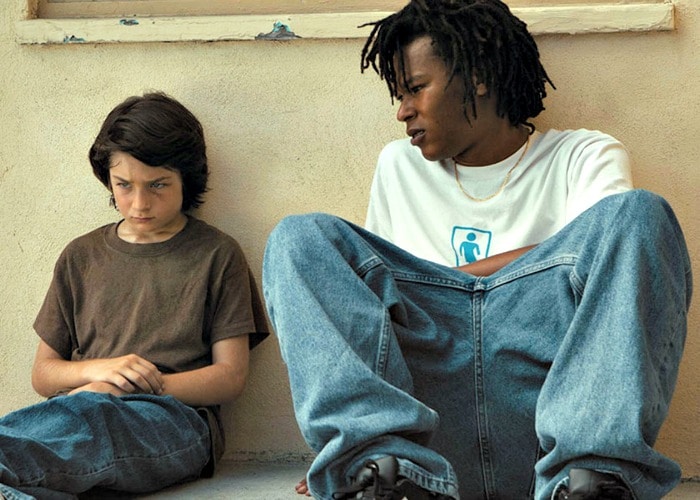
Jonah Hill Made a Movie?

Mids A

It’s true, and from what I’ve heard it’s either good dramatic fun or a sad poser of a film. Let’s find out together when Mid90s (2018) arrives on 4/18. Hill wrote and directed the film while the cast is mostly fresh faces aside from Katherine Waterston and Lucas Hedges.


The Complete List

April 1st
1492: Conquest of Paradise (1992)
The Addams Family (1991)
Addams Family Values (1993)
An Everlasting Piece (2000)
An Invited Guest
Beetlejuice (1988)
Beverly Hills Cop II (1987)
Bill & Ted’s Excellent Adventure (1989)
Blade (1998)
Blade II (2002)
Blade: Trinity (2004)
Blown Away (1994)
The Bob Hope Specials
The Carol Burnett Show
Case 39 (2009)
Chinatown (1974)
Crocodile Dundee in Los Angeles (2001)
Days of Thunder (1990)
Diamonds Are Forever (1971)
Die Another Day (2002)
Dragonslayer (1981)
Escape from L.A. (1996)
Everything Must Go (2010)
Foxfire (1996)
Funny About Love (1990)
Goldfinger (1964)
In a World… (2013)
Interview with the Vampire: The Vampire Chronicles (1994)
Law of the Lawless (1964)
Liberty Stands Still (2002)
Little Monsters (1989)
Live and Let Die (1973)
The Living Daylights (1987)
The Man with the Golden Gun (1974)
The Minus Man (1999)
Murder, She Wrote – Seasons 1-5
Never Say Never Again (1983)
Octopussy (1983)
The Perfect Storm (2000)
Primal Fear (1996)
Racing with the Moon (1984)
The Red Skelton Hour
Sabrina (1995)
Sharkwater Extinction (2018)
The Shawshank Redemption (1994)
Six Degrees of Separation (1993)
The Spy Who Loved Me (1977)
Stargate Universe – Seasons 1-2
Starsky & Hutch (2004)
Stories We Tell (2012)
Teenage Mutant Ninja Turtles II: The Secret of the Ooze (1991)
Top Gun (1986)
The Two Jakes (1990)
Up in Smoke (1978)
Up in the Air (2009)
The World Is Not Enough (1999)
You Only Live Twice (1967)

April 2nd
A Quiet Place (2018)

April 5th
The Tick – Season 2

April 8th
Finding Your Feet (2017)
Paranormal Activity 2 (2010)

April 12th
Bug Diaries – Season 1
Diablo Guardian – Season 2

April 17th
Overboard (2018)

April 18th
Mid90s (2018)

April 19th
Bosch – Season 5

April 21st
Book Club (2018)

April 22nd
The Next Three Days (2010)

April 27th
The Hole in the Ground (2019)
Humans – Season 3
Welcome to the Rileys (2010)

April 29th
Waiting for ‘Superman’ (2010)

April 30th
Vikings – Season 5

Red Dots

Follow all of our monthly streaming guides.

The post What’s New to Stream on Amazon Prime Video for April 2019 appeared first on Film School Rejects.

Jessie Buckley Soars in US Trailer for Country Singer Film 'Wild Rose'

Wild Rose Trailer

"If you got a voice, you've got something to say." Neon has debuted the official US trailer for Wild Rose, to go along with the first UK trailer from earlier this year. This premiered at the Toronto and London Film Festivals last year, also just stopped by SXSW. Jessie Buckley (who also stars in the film Beast) plays a young mother from Glasgow, fresh out of prison, who decides to give up everything and move to Nashville to chase her dreams of becoming a country singer. But not without some bumps in the road. An "uplifting story with an original soundtrack about family, dreams and reality, and three chords and the truth." The film's cast includes Julie Walters as her mother, plus Sophie Okonedo, Jamie Sives, Gemma McElhinney, James Harkness, and Ashley Shelton. This looks really good, and reviews have been really good. Enjoy.

Here's the official US trailer (+ new US poster) for Tom Harper's Wild Rose, direct from YouTube:

Wild Rose Trailer

You can also still watch the original UK trailer for Harper's Wild Rose here, to see even more footage.

Rose-Lynn Harlan (Jessie Buckley) is bursting with raw talent, charisma and cheek. Fresh out of jail and with two young kids, all she wants is to get out of Glasgow and make it as a country singer in Nashville. Her mum Marion (Julie Walters) has had a bellyful of Rose-Lynn’s Nashville nonsense. Forced to take responsibility, Rose-Lynn gets a cleaning job, only to find an unlikely champion in the middle-class lady of the house (Sophie Okonedo). Wild Rose is directed by English filmmaker Tom Harper, director of the films The Scouting Book for Boys, War Book, and The Woman in Black 2: Angel of Death previously, as well as TV projects. The screenplay is by Nicole Taylor. This premiered at the Toronto & London Film Festivals last year, and also played at SXSW. Neon will release Wild Rose in select US theaters starting May 10th, 2019.

Monday, 1 April 2019

What’s New to Stream on Hulu for April 2019

Hulu has been stuck in the third place position when it comes to movie streaming behind Netflix and Amazon Prime because most people still see them strictly as a home for next-day television. They have movies too, though, and more than a few of them are terrific gems that make Hulu a destination beyond last night’s TV shows.

The complete list of new movies hitting Hulu this month — April 2019 — is below, but I wanted to highlight the best of the bunch along with several others worth seeking out.

Red Dots

Hulu Pick of the Month

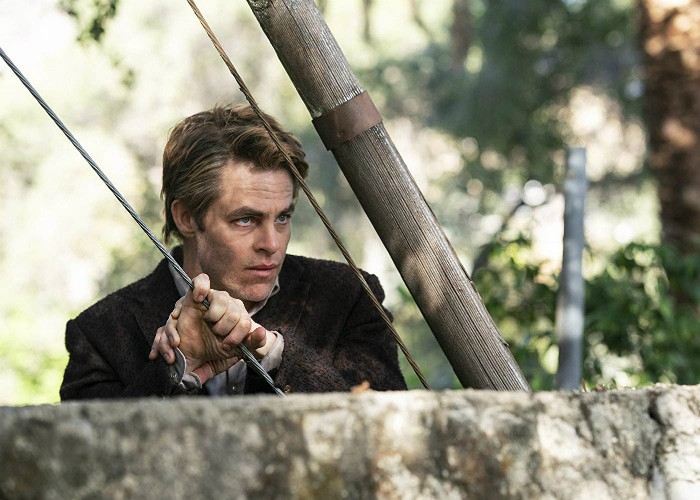
I Am The Night Chris Pine

While Hulu’s game is that they typically get TV shows the day after they’ve aired, some special programming requires a slightly longer wait. I Am the Night (premieres 4/18) is a six-episode limited series that aired on TNT, and while it’s unclear if a second season will be coming the first is a wholly contained and satisfying tale. Chris Pine headlines this period mystery about murder and corruption, and a third of its run is directed by his Wonder Woman director, Patti Jenkins.


Movies You Missed

Pledge

There are so many movies arriving each year that it’s impossible to see them all, but two smaller films deserving of attention are landing on Hulu this month so you can play catch-up. Destroyer (premieres 4/9) sees Nicole Kidman dress down for the role of an angry, alcoholic detective who’s seen far better days. It’s a hit and miss watch, but Kidman and director Karyn Kusama are a compelling duo. Pledge (premieres 4/12) is an even smaller title that manages to somehow be far better for it. It’s a familiar enough tale as hopeful pledges find trouble, but the film keeps the suspense fresh thanks to a smart script and some engaging performances.


Foreign Fun

Border Ali Abbasi

2015’s The Wave is an entertaining disaster flick from Norway that sees a family survive against the odds, but like John McClane before them they just can’t help but be in the wrong place at the right time. The Quake (premieres 4/18) sees the same family facing a new challenge as an earthquake pummels the country and leaves their world in dangerous shambles. Border (premieres 4/24) comes courtesy of their regional brethren in Sweden with a wholly different kind of tale. It’s a dark fable of sorts involving TSA, trauma, and trolls, and while it’s something of a slow burn the grim nature of its story is a fresh and original watch.


This Month’s Into the Dark

Im Just Fucking With You

Hulu’s monthly collaboration with Blumhouse has been the epitome of a mixed bag so far, but while Into the Dark has stumbled more than once with bland entries their last two showed that good fun and thrills are more than just possible. While both Down and Treehouse fill their stories with commentary on the sexes the latest entry looks to be more of a straightforward romp. Themed to April’s biggest “holiday” — is April Fool’s Day a holiday? — I’m Just F*cking With You is the story of siblings who suffer a night of escalating practical jokes.


The Complete List

April 1
1492: Conquest of Paradise (1992)
The Addams Family (1991)
Addams Family Values (1993)
Akeelah and the Bee (2006)
Alone: Complete Season 5 (History Channel)
America’s Prince: The John F. Kennedy Jr. Story (2003)
Ancient Aliens: Complete Seasons 1, 2, 3, 13 (History Channel)
At Close Range (1986)
Barton Fink (1991)
Beethoven (1992)
Beethoven’s 2nd (1993)
Beethoven’s 3rd (1999)
Behind Bars: Rookie Year: Complete Season 1 (A&E)
Beverly Hills Cop II (1987)
Big Fat Liar (2002)
Blow (2001)
Blown Away (1994)
Born Behind Bars: Complete Season 1 (A&E)
Bounce (2000)
The Cable Guy (1996)
Case 39 (2009)
The Clearing (2002)
Cold Mountain (2003)
Cults and Extreme Belief: Complete Season 1 (A&E)
Curious George: Follow that Monkey (2009)
Darkness (2002)
The Dark Mile (2017)
Days of Thunder (1990)
Diamonds are Forever (1971)
Die Another Day (2002)
Dr. Dolittle: Tail to the Chief (2007)
Dragonslayer (1981)
Eastern Promises (2007)
Escape from L.A. (1996)
An Everlasting Piece (2000)
Everything Must Go (2011)
The Falcon and the Snowman (1985)
Foxfire (1996)
Funny About Love (1990)
Funny Cow (2017)
Gloves Off (2017)
Goldfinger (1964)
Halloween H20: 20 Years Later (1998)
Happy Feet (2006)
Hollywood Homicide (2003)
Hot Shots! Part Deux (1993)
I Think I Love My Wife (2007)
In A World … (2013)
Intervention: Complete Season 20 (A&E)
Into The Dark: I’m Just F*cking With You: Episode 7 Premiere (Hulu Original)
The Jerk (1979)
Jersey Girl (2004)
Kill the Irishman (2011)
Law of the Lawless (1964)
Liberty Stands Still (2002)
License to Drive (1988)
Like Mike (2002)
Little Monsters (1989)
Little Women: LA: Complete Season 4 (Lifetime)
Live and Let Die (1973)
The Living Daylights (1987)
The Man with the Golden Gun (1974)
The Minus Man (1999)
Mountain Men: Complete Season 1 (History Channel)
Never Say Never Again (1983)
Octopussy (1983)
One Million American Dreams (2018)
Painkillers (2018)
Penelope (2006)
Playing By Heart (1998)
Practical Magic (1998)
Primal Fear (1996)
Project Nim (2011)
Racing with the Moon (1984)
Raising Tourettes: Complete Season 1 (A&E)
The Real Housewives of Potomac: Complete Season 3 (Bravo)
Scary Movie 2 (2001)
The Seven Year Itch (1955)
Sex Drive (2008)
The Shining (1980)
Six Degrees of Separation (1993)
The Spy who Loved Me (1977)
Stories We Tell (2013)
Sunshine Cleaning (2009)
The Time Traveler’s Wife (2009)
Ultraviolet (2006)
Undisputed (2002)
Uninvited Guest (1999)
Up in Smoke (1978)
Up in the Air (2009)
White Noise (2005)
The World is Not Enough (1999)
You Only Live Twice (1967)

April 2
A Quiet Place (2018)
Air Strike (2018)
One Punch Man: Catch-up Special (Viz)
Weightless (2018)

April 5
Marvel’s Cloak & Dagger: Season 2 Premiere (Freeform)

April 7
Rick Steves’ Europe: Complete Season 10 (PBS)

April 8
Finding Your Feet (2018)
Paranormal Activity 2 (2010)

April 9
Destroyer (2018)
One-Punch Man: Season 2 Premiere (Viz)

April 10
The Bold Type: Season 3 Premiere (Freeform)
Chio’s School Road: Season 1 (Dubbed) (Funimation)
How Not to Summon a Demon Lord: Season 1 (Dubbed) (Funimation)

April 11
The Last Ship: Season 5 Premiere (TNT)
Tyrel (2018)

April 12
Pledge (2019)

April 14
Steve Jobs: The Man in the Machine (2015)

April 15
90 Day Fiancé: Happily Ever After?: Complete Season 3 (TLC)
Ayesha’s Home Kitchen: Complete Seasons 1&2 (Food Network)
Barefoot Contessa: Back to Basics: Complete Seasons 11-13 (Food Network)
Dr. Pimple Popper: Complete Season 1 (TLC)
Enchanted April (1991)
Fixer Upper: Complete Season 5 (HGTV)
How the Earth Works: Complete Season 1 (Science Channel)
The Last Alaskans: Complete Seasons 2&3 (Discovery Channel)
Master of Disguise (2002)
Obsession: Dark Desires: Complete Season 2 (ID)
Pamela Smart: An American Murder Mystery: Complete Season 1 (ID)
Treehouse Masters: Complete Seasons 8-10 (Animal Planet)
Unearthed: Complete Seasons 2 & 3 (Science Channel)
We Are Columbine (2018)
What on Earth: Complete Seasons 2 & 3 (Science Channel)
Yukon Men: Complete Season 6 (Discovery Channel)

April 17
Overboard (2018)
Bless This Mess: Series Premiere (ABC)

April 18
I Am the Night: Complete Season 1 (TNT)
The Quake (2019)

April 19
Ramy: Complete Season 1 Premiere (Hulu Original)

April 21
Book Club (2018)
Noma — My Perfect Storm (2015)

April 22
The Posh Frock Shop: Complete Season 1 (Banijay)
The Next Three Days (2010)
The Sisters Brothers (2018)

April 23
Arcadia (2019)
Beast of the Water (2019)
Overlord: Episode 1-13 (Dubbed) (Funimation)

April 24
Border (2019)
Don’t Go (2018)

April 27
Welcome to the Rileys (2010)

April 28
Attack on Titan: Season 3, Part 2 Premiere (Funimation)

April 29
Fairy Tail: Season 9, Episodes 291-303 (Dubbed) (Funimation)
Waiting for Superman (2010)

April 30
Vikings: Complete Season 5B (History Channel)
Hunting Evil (2019)

Red Dots

Follow all of our monthly streaming guides.

The post What’s New to Stream on Hulu for April 2019 appeared first on Film School Rejects.

Official Trailer for Indie Film 'Bardo Blues' Follows a Man in Thailand

Bardo Blues Trailer

"She's only going to take you further into hell!" Freestyle DM has released an official US trailer for an indie drama titled Bardo Blues, which first premiered at festivals back in 2017 and is just now getting a VOD release. Bardo Blues is directed by actress / producer Marcia Kimpton, who also co-stars in the film, co-wrote the screenplay, and produced it (and did all her own makeup - according to Trivia on IMDb). The story follows a mentally ill young man attempting to come to grips with his haunting past (about the mother that abandoned him) by seeking solace and understanding in the unfamiliar Eastern culture of Thailand. It weaves "spiritual awakenings and soulful struggles", and stars Stephen McClintic, Gina Haining, Brian Gross, Natalie Denise Sperl, Tilt Tyree, and Micah Kaneko, plus Kimpton. This does not look good.

Here's the official US trailer (+ poster) for Kimpton & Haining & McAleece's Bardo Blues, from YouTube:

Bardo Blues Poster

Set in Thailand, Bardo Blues follows Jack (Stephen McClintic) as he struggles to learn the truth about the mother that abandoned him and his own reason for existing. Weaving spiritual awakenings and soulful struggles, Bardo Blues will leave you questioning everything you think you know about who you are, where you came from and where you are going. Bardo Blues is directed by filmmaker / actress Marcia Kimpton (making her feature directorial debut, which she already followed up with My Reality), and co-directed by Mark Haining (his first feature) & Justin McAleece (a cinematographer & camera operator, director of Sinister Heaven previously). The screenplay is written by Marcia Kimpton and Anthony Taylor. This initially premiered at the Hollywood Reel Independent Film Festival in 2017. Freestyle DM will release Kimpton & Haining & McAleece's Bardo Blues direct-to-VOD starting May 3rd, 2019 coming up. Anyone?

Copyright © Cinenus | Powered by Blogger

Design by Anders Noren | Blogger Theme by NewBloggerThemes.com