The film industry in one place - Articles, Reviews, trailers and hype!

Wednesday, 31 October 2018

First Trailer for Noir Thriller 'Hospitality' Starring Emmanuelle Chriqui

Hospitality Trailer

"The less fortunate you are, the more desperate you are…" Kandoo Releasing has debuted the official trailer for an indie crime thriller titled Hospitality, the latest film by directors Nick Chakwin & David Guglielmos (No Way to Live). The story is about a former prostitute named Donna who has turned her brothel into a legitimate bed and breakfast, moving on from her old life. But troubles come around when an ex-con arrives to collect what he has been hiding in the place. Of course, he's not the only one looking for it. Emmanuelle Chriqui stars as Donna, with a small cast including Conner McVicker, Sam Trammell, JR Bourne, and Jim Beaver. This looks like a sneaky, noir thriller with some interesting twists and turns. Take a look.

Here's the official trailer (+ poster) for Nick Chakwin & David Guglielmos Hospitality, from YouTube:

Hospitality Poster

Former prostitute Donna (Emmanuelle Chriqui) turned her brothel into a legitimate bed and breakfast, following the birth of her cognitively deficit son Jimmy (Conner McVicker). Trouble comes knocking when ex-con Cam (Sam Trammell) arrives to collect what he’s been hiding there for the past two decades. As it turns out, he’s not the only one looking for it. In a brutal fight for survival, Donna must protect Jimmy and her home from a crooked cop (JR Bourne) and a thug (Jim Beaver). Hospitality is co-directed and co-written by filmmakers Nick Chakwin & David Guglielmo, both of whom directed the film No Way to Live together previously; this is their second feature. It hasn't premiered at any film festivals before. Kandoo will release Hospitality in select theaters + on VOD starting December 7th this year. Anyone interested?

Rushes. Elaine May Returns, 2-Minute Trailer for 14-Hour Film, Louis Cha

Get in touch to send in cinephile news and discoveries. For daily updates follow us @NotebookMUBI.
NEWS
Louis Cha, 1924 - 2018
  • Louis Cha, widely regarded as the most influential Chinese martial arts novelist of the 20th century, has died at the age of 94. Notably, several of Cha's best-selling wuxia novels—written under the pen name Jin Yong—have been adapted into films, including King Hu's The Swordsman and Wong Kar-wai's Ashes of Time.  
  • Parasite, Bong Joon-ho's follow-up to Okja, has finished shooting ahead of its 2019 release. Bong has stated that "despite the title, the film does not include either parasites or alien creatures," though these stills certainly point to creeping tensions.
  • We're naturally saddened to hear that the Wachowski sisters have closed their production offices, with Lana Wachowski reportedly suggesting that she had "accomplished everything she wanted to do [with cinema]." Few filmmakers can arrive at this resolution in their careers, thus we can't help but wish the Wachowski's the very best.
RECOMMENDED VIEWING
  • An icy, edgy trailer for Brady Corbet's Vox Lux, starring Natalie Portman. From our coverage of the Venice Film Festival, Leonardo Goi described the film as "a merciless autopsy of a bulimic society and its inability to process success and horror."
  • Mariano Llinás' 14-hour epic of spy games and storytelling gets its first sweeping trailer. Here's our review of this wondrous film.
  • The latest comedic vision from the Romanian New Wave will soon hit U.S. theaters—here's the delightful trailer for Corneliu Porumboiu's Infinite Football.
 
  • New Hollywood auteur Monte Hellman directed this short documentary on Francis Ford Coppola, who appears to be in the middle of production on his 1981 opus One from the Heart at the time. The director eloquently speaks on the future of cinema, art, and love.
  • We love this magical livestream of a train ride through the Norwegian mountainside, not only for its relaxing effect, but also because it feels like a technological extension of the sensorial effective of the Lumière brothers' 1896 Arrival of a Train at La Ciotat.
RECOMMENDED READING
Natalie Portman in Vox Lux.
  • Also for Vanity Fair, writer Durga Chew-Bose pens a keen profile of Natalie Portman, and the personal and political changes that have occurred throughout her career, including her involvement in #MeToo and Time's Up.
  • The Brooklyn Academy of Music is now showing a number of postwar Japanese horror films for Ghosts and Monsters: Postwar Japanese Horror. For Vulture, Bilge Ebiri has provided a primer for the series, and the distinct dimensions of Japanese horror, which is "based less on surface scares and more on mood and moral complexity."
  • Continuing the October 31st celebrations in the form of film criticism, there's Mike Thorn and Nathan Smith discussing the complex view of Evil in Rob Zombie's maligned revisions of John Carpenter's Halloween, and elsewhere the Graveyard Shift Sisters consider the treatment of class and race in Wes Craven's underestimated The People Underneath the Stairs.
Elaine May by Brigitte Lacombe
  • For the first time in 50 years, Elaine May returns to Broadway in Kenneth Lonergan's The Waverly Gallery. Vanity Fair's K. Austin Collins reviews the "righteously historic occasion, [...] a poignant, agonized, but also warm, funny, generous turn—in other words, a perfect Elaine May vehicle."
  • Surveying 209 critics from around the world, the BBC has provided a list of the "100 greatest foreign language films," or films in a language other than English. Notably, the roster only includes four films directed by women, and a quarter of its titles are from East Asia. You can find a catalog of individual submissions here.
  • For her column Phantom Light, Film Comment's Imogen Sara Smith pairs Karpo Godina's satirical jazz film Red Boogie and Paweł Pawlikowski’s musical Cold War: "Both use a patchwork of different musical styles to evoke the turbulent historical currents their characters must navigate."
RECENTLY ON THE NOTEBOOK
  • Artist Ben Rivers and Tom Emerson discuss their new film Trees Down Here, a collaborative effort about the natural history of Cowan Court, Churchill College Cambridge.
  • Following the premiere of Monrovia, Indiana at the Venice Film Festival, Frederick Wiseman sat down with Annabel Brady-Brown for an interview regarding his approach to the American Midwest, and the "ghost of politics [hovering] over the film."
  • Evan Morgan reviews Vetrimaaran's Vada Chennai, and its depiction of oscillating movements of underworld power in a Chennai neighborhood.
EXTRAS AND RE-DISCOVERIES
  • Jamie Lee Curtis upends the press junket interview format for an impromptu reading of a moving, prescient Steinbeck passage:


'People's Republic of Desire' Doc Trailer About Live-Streaming in China

People's Republic of Desire Trailer

"Where did he get all that money?" You don't want to know the answer. An official trailer has debuted for a documentary from China titled People's Republic of Desire, all about the live-streaming phenomenon that has taken over the country. This doc film won the Grand Jury Award for Best Documentary Feature at the SXSW Film Festival this year, anda lso the Grand Jury Award for International Documentary at the Los Angeles Asian Pacific Film Festival. Made by documentary filmmaker Hao Wu, the film follows three young characters – a singer, a comedian, and a migrant worker – as they search for fame, fortune and real human connection in live streaming. There's an immense amount of fame and fortune in the live-streaming world, and this film looks at both the good and the bad. It seems to be a scary cautionary tale of how self-absorbed society has become, and how superficial everyone (and everything) is in this hyper-connected, internet era.

Here's the trailer (+ poster) for Hao Wu's doc People's Republic of Desire, from Indiewire's YouTube:

People's Republic of Desire Poster

As an entire generation has come of age on social media, virtual relationships are slowly replacing real-life human connections. And China has taken it to an extreme. Here, live streaming has become the most popular online entertainment for hundreds of millions. People's Republic of Desire provides a vérité journey into this digital universe, where young performers earn as much as US$150,000 a month singing, dancing or doing talk shows to live, interactive audiences of tens of thousands. Their fans include China's super rich, who each night lavish virtual gifts on their favorite performers (40% of the money paid for these gifts go to the performers), and the dirt poor, many of them migrant workers in urban areas of the country searching for a cheap way to be entertained, and to feel connected. People's Republic of Desire is directed by Chinese filmmaker Hao Wu, of the docs Beijing or Bust and The Road to Fame previously. This premiered at the SXSW Film Festival earlier this year, and next plays at DOC NYC coming up soon. People's Republic of Desire will be released in select US theaters starting November 30th this fall. Who's curious?

Watch: Incredible 2-Minute Horror Short 'Salt' Directed by Rob Savage

Salt Horror Short

"You'll be safe - just stay inside the circle." We've saved the best for last…! After posting a bunch of horror shorts throughout October, one of the best shorts has debuted online just in time for Halloween. Salt is the latest horror short made by filmmaker Rob Savage, with his writing partner Jed Shepherd. The two last made the highly successful Dawn of the Deaf, a zombie movie told entirely in sign language. Salt is a two-minute horror short about a mother protecting her sick daughter - using a ring of salt. Starring Alice Lowe, Beau Gadson, and James Swanton. It's incredible how much they pull off in two minutes, with all of the elements (concept, production design, cinematography) working in harmony to make this instantly iconic.

Thanks to everyone on Twitter for the tip on this one. Short description from Vimeo: "A demonic presence closes in on a mother and her sick daughter. Their only protection - a ring of Salt." Salt is directed by up-and-coming filmmaker Rob Savage - follow him on Twitter @DirRobSavage. You can find more of his work on his Vimeo. The screenplay is by Jed Shepherd & Rob Savage; with cinematography by Sam Heasman, and music composed by Patrick Jonsson. Produced by Douglas Cox. Savage explained to Source Creative that: "I like to drop an audience into a scenario as late as possible and leave them with their imaginations fired up." For behind-the-scenes, visit Jed's Instagram. For more info, head to Vimeo. To see more shorts, click here.

Trailer for Documentary 'The Last Animals' Fights to Save The Animals

The Last Animals Trailer

"Extinction happens in front of our eyes." Save the animals! They are important, too. An official trailer has debuted for the documentary The Last Animals, the feature directorial debut of renown photojournalist Kate Brooks. The Last Animals follows the conservationists, scientists and activists battling poachers and criminal networks to save elephants and rhinos from the edge of extinction. It's a film about how important it is to fight back, to organize systems of defense and to mobilize people in order to save the animals that are threatened by ever-greedy humans who want them dead for their own gain. This is similar to the other doc The Ivory Game about elephant poaching, and just as powerful. These films are so important and show how incredibly passionate people are fighting to save what truly matters, even putting their own lives on the line.

Here's the first official trailer (+ poster) for Kate Brooks' documentary The Last Animals, from YouTube:

The Last Animals Poster

The Last Animals Poster

In this feature length documentary, conflict photographer Kate Brooks turns her lens from the war zones she is used to covering all over the world to a new kind of genocide: the organized, industrial scale killing of African elephants and rhinos and the extraordinary people who go to incredible lengths to protect them from poachers and criminal cartels. The Last Animals is directed by American photographer / filmmaker Kate Brooks, making her feature directorial debut with this film. This first premiered at the Tribeca Film Festival last year, and also played numerous film festivals through out 2017. It won the Impact Award at the Wildscreen Festival 2018. The Last Animals opens in the UK this fall, and will release in the US in spring 2019. Stay tuned for any updates. For more, visit the doc's official website. Who really wants to watch this?

New Trailer for Lars von Trier's Demented 'The House That Jack Built'

The House That Jack Built

"If you feel like screaming, I definitely think you should." IFC Films has unveiled their full official US trailer for Lars von Trier's controversial, demented serial killer film The House That Jack Built, which first premiered at the Cannes Film Festival earlier this year. The film stars Matt Dillon as the titular Jack, a highly intelligent serial killer, following him for 12 years profiling his murders. It's the latest creation from a very angry, very drunk Lars von Trier obsessed with "the idea that life is evil and soulless." Also starring Bruno Ganz, Uma Thurman, Ed Speleers, Siobhan Fallon Hogan, Sofie Gråbøl, Riley Keough, and Yu Ji-tae. IFC is also hosting a one-night only screening event on November 28th of what's being called the "Director's Cut", though I'm not sure how different it is from the film they're eventually releasing. I saw this in Cannes, and besides being evil, it's just a bad film in many ways. One of LvT's biggest failures.

Here's the full US trailer (+ poster) Lars von Trier's The House That Jack Built, direct from YouTube:

And here's their Twitter spot for The House That Jack Built promoting the special one-night only showing:

The House That Jack Built Poster

You can still watch the teaser trailer for The House That Jack Built here, and the other full festival trailer.

The story follows Jack (Matt Dillon), a highly intelligent serial killer, over the course of 12 years and depicts the murders that truly develop Jack as a serial killer. The House That Jack Built is both written and directed by controversial but acclaimed Danish filmmaker Lars von Trier, director of films including The Element of Crime, Breaking the Waves, Dancer in the Dark, Dogville, Manderlay, The Boss of It All, Antichrist, Melancholia, and Nymphomaniac previously. The film premiered at the Cannes Film Festival as a last minute addition to the official selection, playing out of competition. IFC Films will release von Trier's The House That Jack Built in select theaters + on VOD starting December 14th this year. Still interested?

The 31 Best Final Shots in Horror

The best movies don’t waste a single frame, but realistically speaking, most fumble more than a few. It happens, and you just hope that whatever follows that particular scene fares far better. A film’s last shot, though, doesn’t have that opportunity — it’s the last thing we see before the credits roll. Those final beats are nowhere more relevant than in a horror movie, and perhaps not coincidentally, far too many horror films drop the ball in their final moments.

Too many, but not all. Some go out with the perfect scene, sequence, and shot leaving viewers with a sigh of relief, a punch to the gut, or even the creeping sensation that there’s reason to be afraid even after the television has been turned off and the lights turned back on. To that end we went looking for the best final shots in horror — the end images, the final shots, the last moments before we fade to black.

Keep reading for a look at the 31 best final shots in horror as voted on by Chris Coffel, Kieran Fisher, Brad Gullickson, Meg Shields, Anna Swanson, Jacob Trussell, and myself.

Red Dots

Days

31. Ils (2006)

Them

The Shot

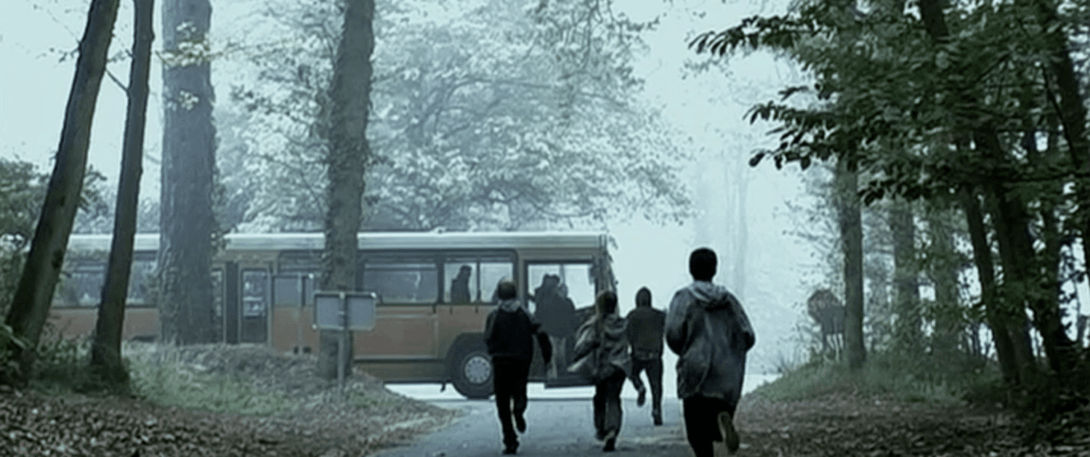
After a night of being attacked by anonymous intruders, Clémentine and Lucas have both been violently murdered. As the next day begins the killers emerge from the woods — they’re all children. Following the events of the previous nights, the kids exit the woods, walk down a road, and board a bus as if it was an ordinary day. The film’s closing text insinuates it as being based on a true story. Even without this claim, the image itself is enough to horrify as we are left to consider how casual even young children could be about brutal violence. Kids do the darndest things! – Anna Swanson


30. Little Shop of Horrors (1986)
Little Shop

The Shot

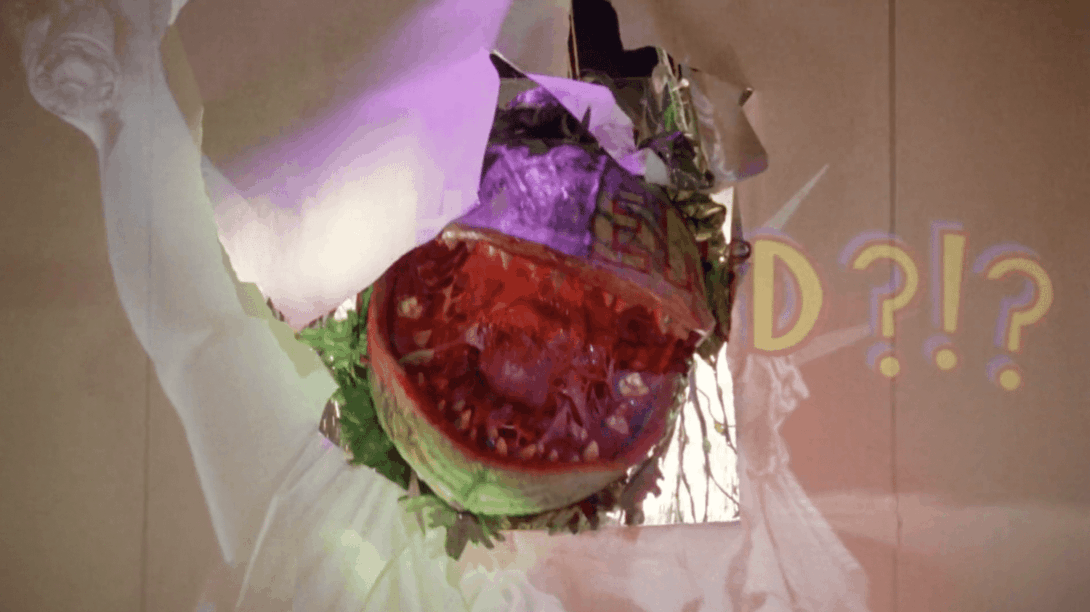
The theatrical ending for Frank Oz’s opus Little Shop of Horrors is wonderful, leaving us lingering on a budding Audrey II planting roots in Audrey I’s Rockwell-esque ‘Somewhere That’s Green’. We’re left with a mischievous hopefulness where our heroes prevail but danger is never far behind. But the alternate, and original, ending is where it’s at. Not only in the fact that we get one of the stage show’s best songs, “Don’t Feed The Plants,” but we get marauding Audrey II’s terrorizing the globe, destroying cities Godzilla-style until the final fatal frame: a roaring Audrey II breaks the fourth wall, literally. Audrey II’s boisterous laugh bursts through the “screen” leaving the audience with the sinking feeling: maybe we’re next. – Jacob Trussell


29. Thirst (2009)
Thirst

The Shot

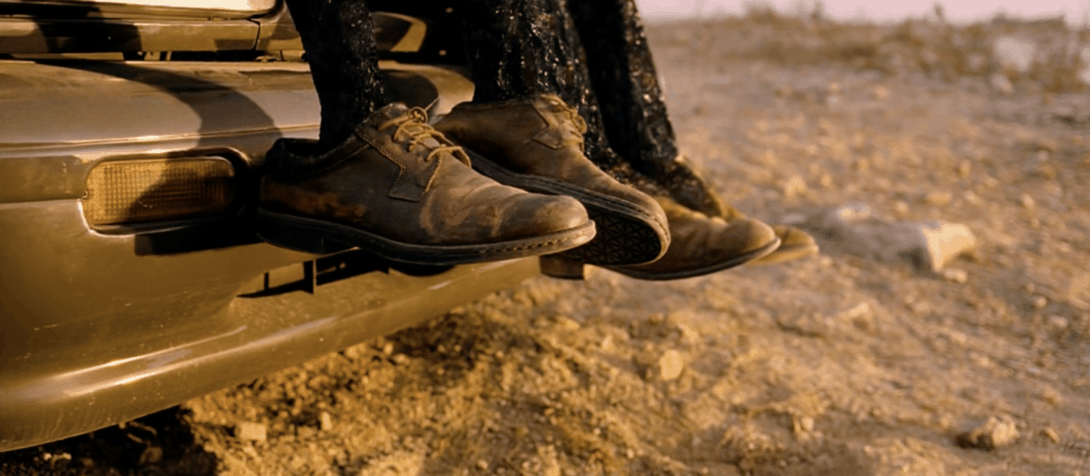
Park Chan-wook‘s foray into the world of vampires is among the best of the sub-genre, and it’s filled with beauty, terror, and the darkest of humor. His vampires are far from elegant creatures and instead betray their human origins at every turn in their impulses, emotions, and desires. Tae-ju (Ok-bin Kim) is the epitome of all of that, and after a lifetime spent flipping off her shoes to feel the earth below her feet as she runs away from her pains she’s found new sensations as a vampire. Unfortunately for those around her, those sensations often involve their suffering, and when Sang-hyun (Song Kang-ho) decides to end it for both of them by stranding them in an open field at sunrise she fights back with everything she’s got. Finally, reluctantly, she accepts her fate by his side, joins him on the hood of the car, and puts on her old pair of shoes. The sun begins to char their flesh, their muscle and bone turn to ash, and the shoes fall to the dirt.- Rob Hunter


28. The Conjuring (2013)

The Conjuring

The Shot

While The Conjuring is not for want of jump scares, they certainly don’t define what makes the film scary. That said, we’ve been hardwired to anticipate screamers and James Wan knows it. In the film’s final moments, we zoom in on a cursed object: a music box, outfitted with a mirror we know reveals ghosts. But nothing appears, and the gotcha stinger never comes. Which is somehow much, much, worse. Guess I’ll hold my breath till the sequel. – Meg Shields


27. The Beyond (1981)
The Beyond

The Shot

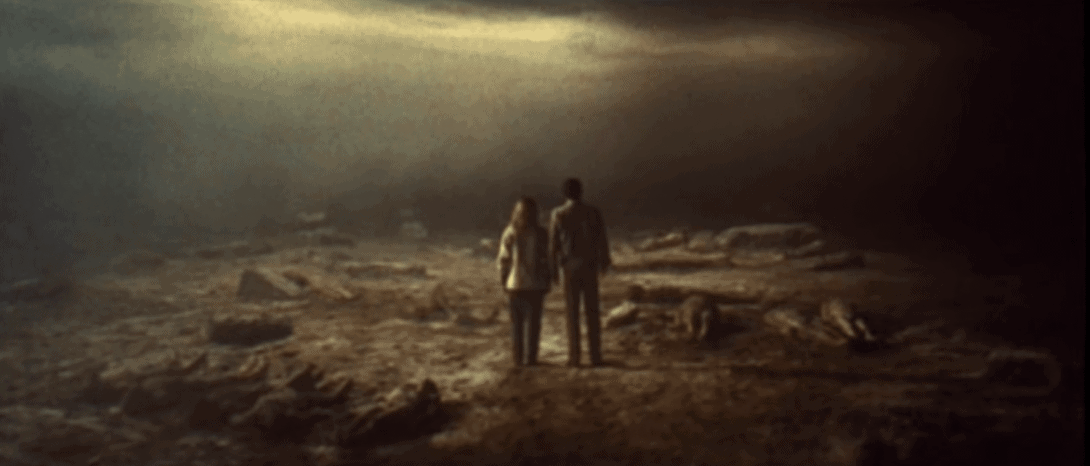
Zombies, spiders, more zombies, a possessed dog, and even more zombies can make any home renovation a nightmare, and that’s exactly what Liza finds after inheriting an old hotel in Louisiana. She and a new friend face off against the monstrous threats while searching for the cause, but when they escape the undead it’s into a whole new kind of hell. They wander into another world, an ethereal landscape reeking of death and oppression, and as they stare at their new home and the eternal suffering that awaits them they’re stricken blind in one last supernatural injustice. They now belong to the “sea of darkness.” – Rob Hunter


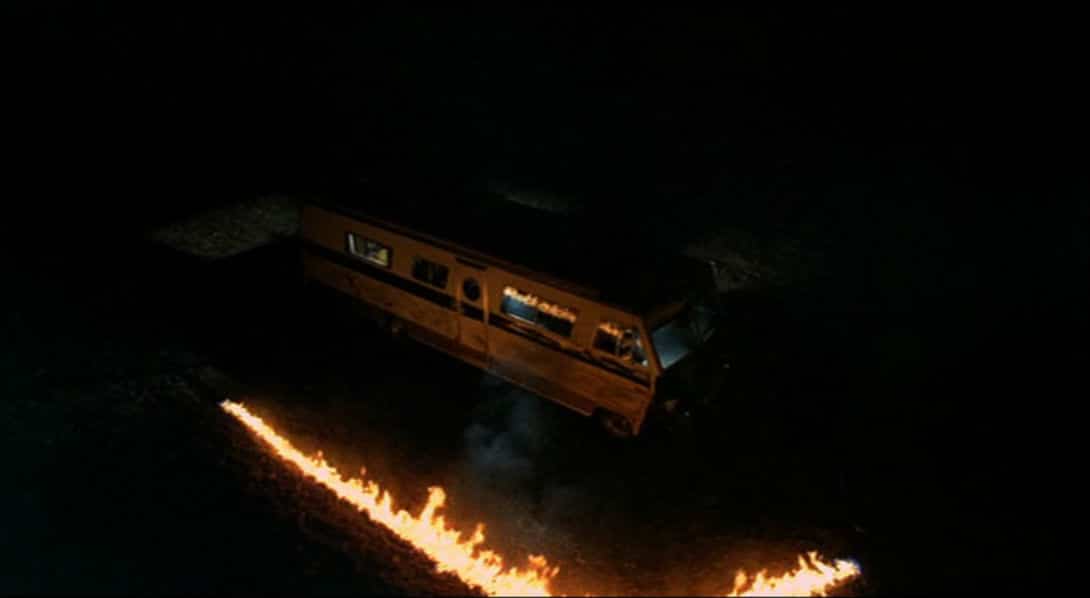
26. Race With the Devil (1975)
Race With The Devil

The Shot

Satanists are everywhere. They’re our policemen, neighbors, the strangers we meet only to realize later that they’re not so kind after all. Think Operation Mayhem from Fight Club only attired in sexy robes. At least that’s what Satanic Panic movies of the 70’s would have you believe anyway. Race with the Devil is one of those movies, and it teaches us that meddling in business that has nothing to do with us is a bad idea. As the ending shows, there’s no escaping the wrath of cultists, because they’re eyes are all over. This final shot is a gut punch, and I love it. – Kieran Fisher


25. Halloween III: Season of the Witch (1982)
Halloween Iii

The Shot

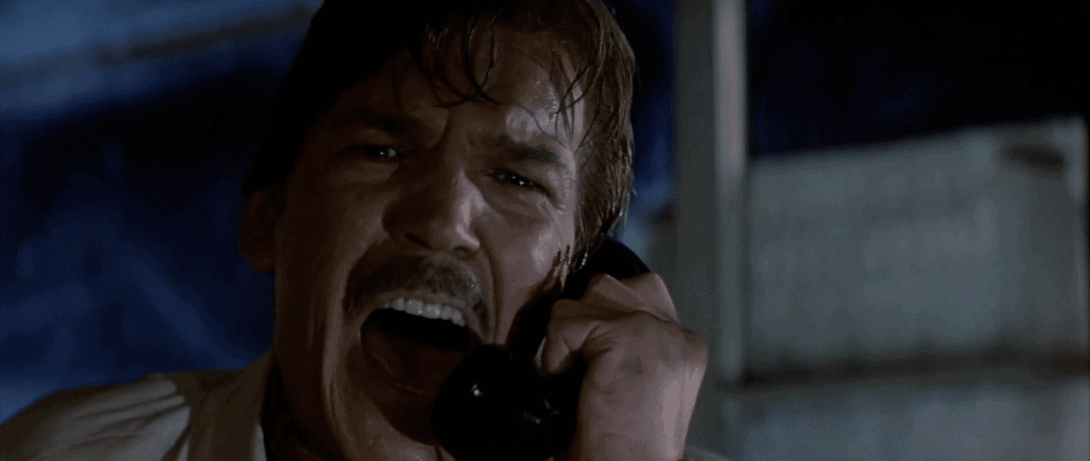
A desperate Tom Atkins yells into a gas station telephone like a mad man, pleading to have a commercial removed from television. While we cannot hear the conversation on the other end we can safely assume they view him as a raving lunatic, but what if he’s right? The commercial is removed from one channel, and then another, but unfortunately it’s too late to stop the third and final one. As the delightfully delirious Silver Shamrock theme blares from the TV set Atkins lets out an emotional scream, his sweet, stylish ‘stache fully in frame, and we cut to black. Brilliant. – Chris Coffel


24. Spring (2014)
Spring

The Shot

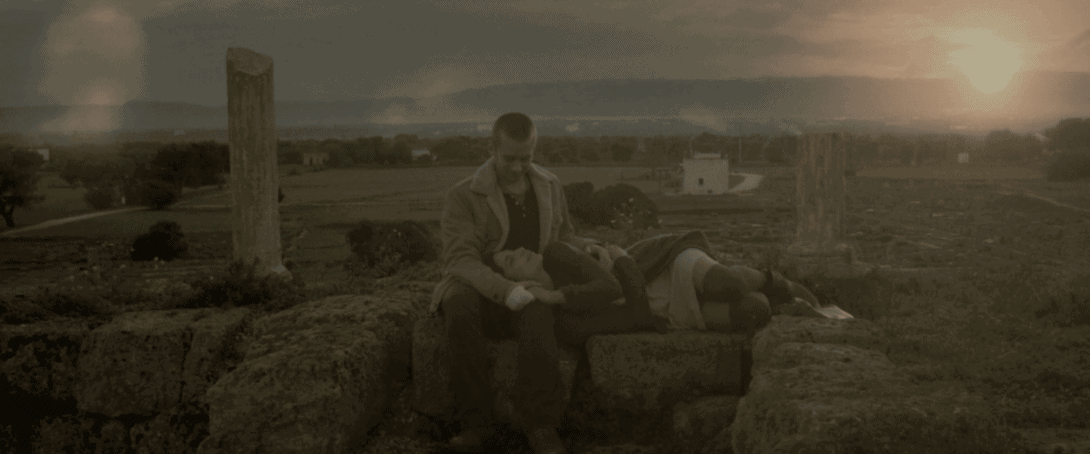
Does your love matter? While you may feel changed by its emotion, the question of whether that love has the power to change another is a terrifying proposition. Evan (Lou Taylor Pucci) loves Louise (Nadia Hilker), but as a mortal man caught up inside the infatuation with an immortal sea creature, that love cannot halt centuries of evolution. He demands the impossible from her, and that request scares Louise. Men are usually her fodder. Evan and Louise sit upon the ruins of Pompeii, the town in which she was born, and as the sun rises behind them, Mount Vesuvius erupts, ending its 70-year dormancy. The final wide shot of Spring is about as blissfully romantic as monster movies can get. Despite some rather graphic sounds indicating a biological metamorphosis, Evan looks down upon Louise and sees no beast, only the woman he adores. His love meets her love, and they are both forever changed. – Brad Gullickson


23. 30 Days of Night (2007)
Days

The Shot

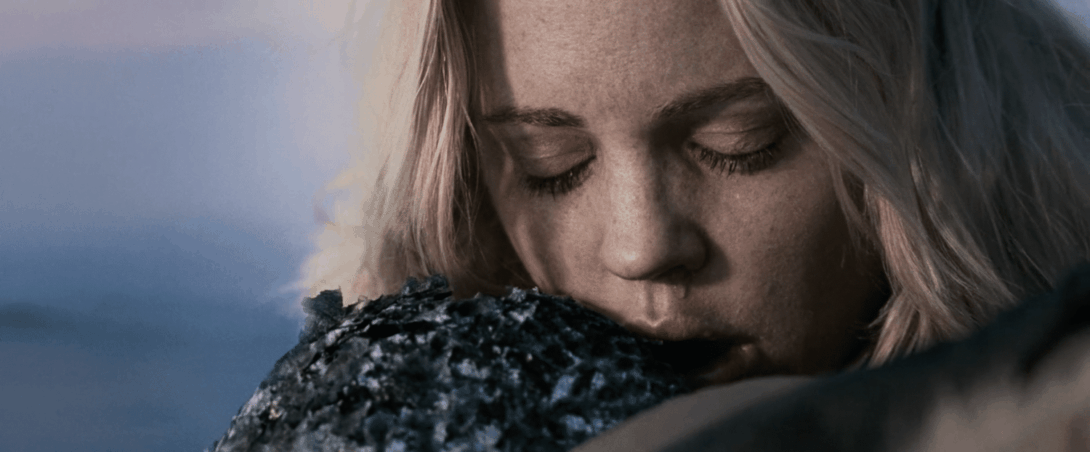
The setup to this vampire flick is genius — vampires descend on a small Alaskan town as it enters a month-long period without daylight — and the execution is equally fantastic. For all the horror and action, though, the film’s heart belongs to the estranged couple trapped there together and forced to fight for survival alongside the other townspeople. Eben (Josh Hartnett) and Stella (Melissa George) make it through to the end, but it comes with a terrible price, and as the sun rises after thirty days of night it burns Eben’s newly undead flesh to ash. Stella holds him tight as he dies in the dawn’s sunlightbefore closing her eyes in a brief return to the darkness. – Rob Hunter


22. Whatever Happened to Baby Jane? (1962)
Baby Jane

The Shot

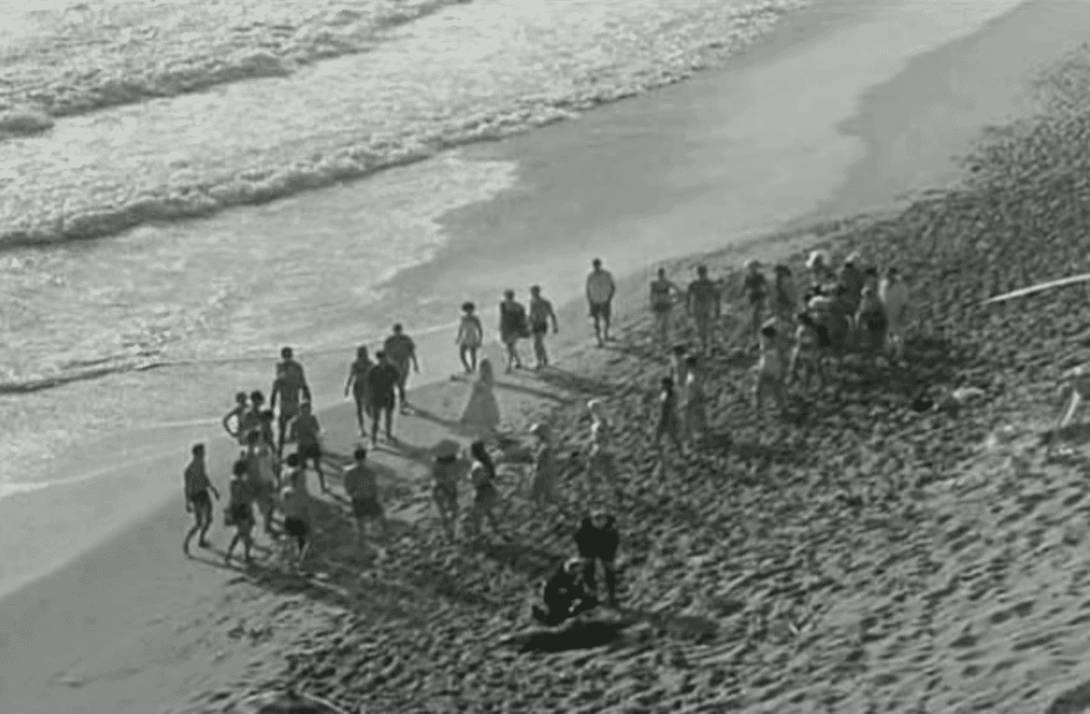
We already know how terrifying Bette Davis’ titular Baby Jane is, but it’s her final breaking moment that I find most chilling. Confronted with the fact that she did not cripple her older sister years prior, altering both of their lives forever, she whispers “You mean all this time we could have been friends?” Leaving the dying Blanche on the beach, Jane begins dancing as a crowd forms, reverting back to her vaudevillian Baby alter ego as police approach. It’s bleak, and tragic, and Jane’s ultimate breaking point. But, in its own twisted way, this revelation also sets her free. Free to live in a fantasy world of her own design, where she is still the star of the show. Forever and ever and ever. – Jacob Trussell


21. The Blair Witch Project (1999)
The Blair Witch Project

The Shot

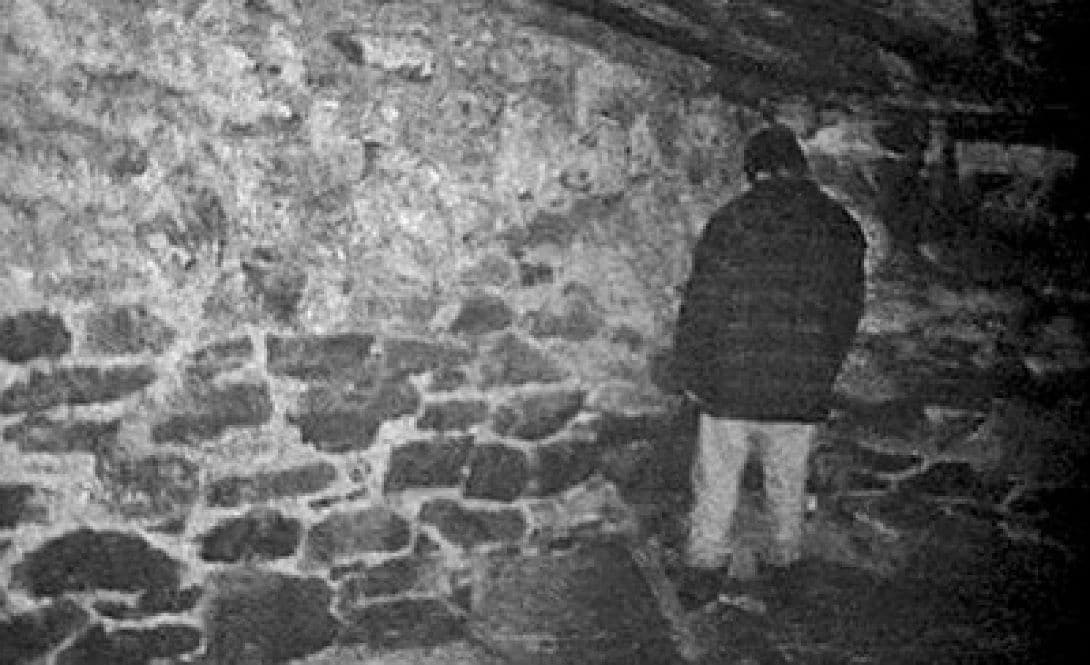
As Heather and Mike search the abandoned house looking for Josh they become separated and Heather discovers Mike in the basement facing the wall. The film has brilliantly build tension to the point that this simple image of him turned away from her elicits feeling of deep seated unease and fear. Heather’s screams are ones of total and overwhelming terror as she realizes she’s now been left alone to face the force in the room with her. The final frame of this shot — the camera knocked away from Heather so it faces the wall while lying on its side — dislocates us from our identification with the person who was holding the camera. We’re left alone with no answers, only our imaginations to fill in what horrors could be happening off screen in the moments before the film cuts to black. – Anna Swanson


20. I Saw the Devil (2010)
I Saw The Devil

The Shot

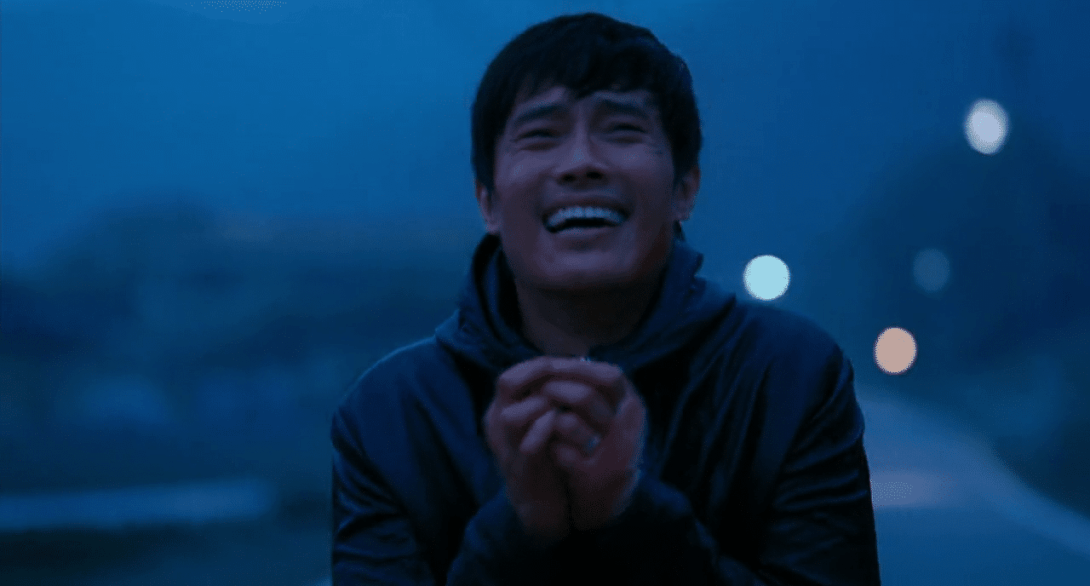
When you embark on a journey of revenge, dig two graves. Or three graves. Uh, better make it a half dozen, maybe a full dozen. After completing an epic hunt to capture and kill the man responsible for murdering his fiancé, NIS agent Kim Soo-hyun (Lee Byung-hun) meanders down the center of a street listening to the machinations of his vengeance trigger via an earpiece. Do the sounds bring him satisfaction or pleasure? Of course not. The final shot of I Saw The Devil takes no pleasure in documenting the climactic misery of Soo-hyun. As he halts his march down the road, clawing at his eyes, and sobbing, the shot continues its retreat, leaving him to the hell of his own making. What comes after the fade to black? Nothing. – Brad Gullickson


19. [Rec] (2007)
Rec

The Shot

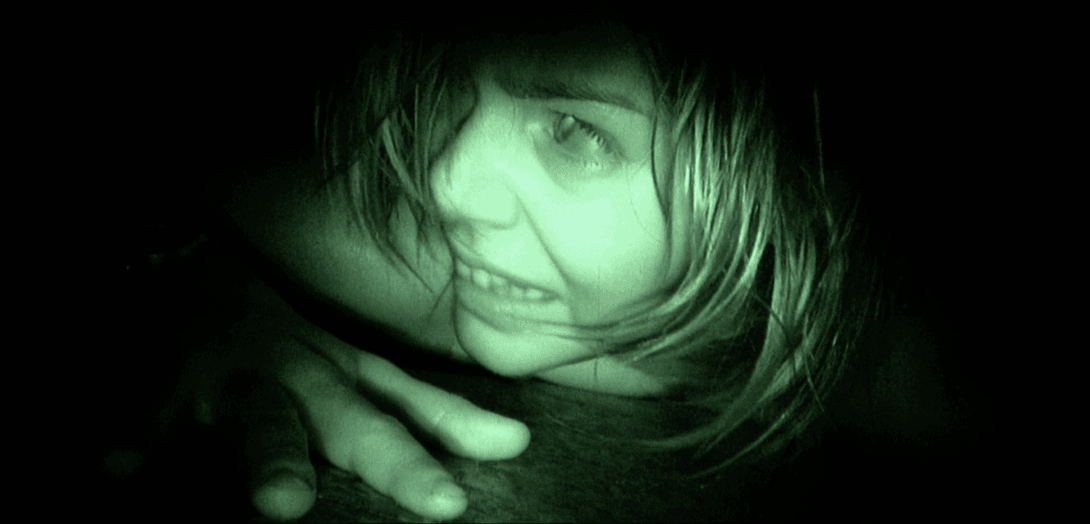
This is one of those movies where you don’t foresee a happy ending. The sense of threat is palpable in every scene and as soon as shit hits the fan, it feels like only a matter of time before inevitable doom comes knocking. But our protagonists put up a good fight all the same, and for a while we’re even given some false hope. Then when the final shot takes away any shred of hope we foolishly allowed ourselves to have, it’s a real kick in the teeth. – Kieran Fisher


18. Poltergeist (1982)
Poltergeist

The Shot

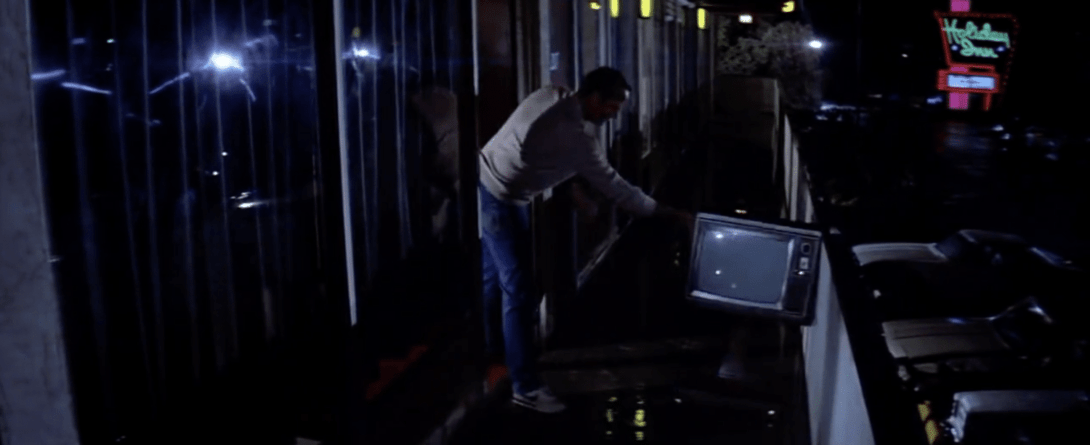
Tobe Hooper‘s collaboration with producer Steven Spielberg gifted movie lovers with one of the best and spookiest haunted house movies ever made. It’s terrifically scary, but it succeeds equally on the strength of its characters and humor. Those two elements cap off the film beautifully as the family — after surviving the ghostly terrors, rescuing their daughter from the creepy TV, and watching their home eat itself — finds solace and overdue relaxation in a motel room. While most horror movies these days feel compelled to end with an additional scare, here we’re given more humanity and humor as the closed motel room door opens and the father wheels the room’s television out onto the walkway. Better safe than sorry. – Rob Hunter


17. Christmas Evil (1980)
Christmas Evil

The Shot

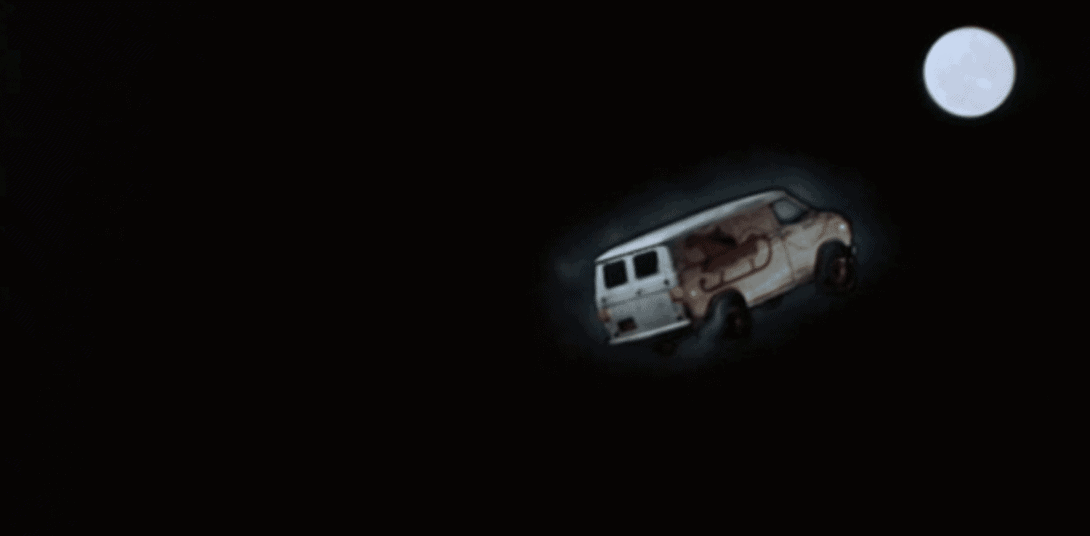
If you are like me, then the finale of Christmas Evil is what cements the film as a true lost classic. A film apart from its more Slasher Santa-centric brethren, Christmas Evil plays as a bizarrely sweet psychodrama with explosions of violence. But as Harry’s fugue state deepens, being chased by his brother and a torch bearing community, he drives off a bridge. While we hear what are ostensibly the sounds of his van crashing, what we see is something wholly unexpected. His van, with Santa’s sleigh painted on the side, continues flying, curving upwards towards the moon as Harry looks on in bewilderment. In voice over he recites the last lines of “The Night Before Christmas” as his van disappears. For a film filled with a macabre sense of the yuletide spirit, it’s the perfect button on a surreal Christmas story. – Jacob Trussell

The post The 31 Best Final Shots in Horror appeared first on Film School Rejects.

Horror and Comedy are More Alike Than You Think

So, I’m going to level with you guys: I can’t stand horror movies. I’m too much of a scaredy-cat. Fortunately, the horror-comedy is a fun little genre hybrid that lets even a wimp like me participate in the festivities of the spooky-scary Halloween season.

There’s a new video essay from The Discarded Image, part of an ongoing series analyzing comedy, that breaks down the wonderful subgenre that combines two separate primary genres. The video explores how filmmakers juxtapose genre quirks and tropes to create movies that can be both funny and scary. It also details how using the same filmmaking techniques and style are employed in both horror and comedy, and how elements of the two genres can accentuate each other when placed side by side.

Watch the video essay, titled “Deconstructing Funny: Horror Comedy,” here:

It’s interesting to look back and realize how many similarities the two genres have and how many classics have exploited those similarities. A lot of old creature flicks rely on moments of comedy to lighten the tension and are more memorable and interesting for it. The levity also makes these films easier for the squeamish, like myself, to watch, and thus tend to be a bit more family-friendly.

Horror films eventually moved away from having comedic moments, preferring to create an atmosphere with a lot of tension. Horror-comedy then took on a position of being its own subgenre. But I think there’s still room in modern horror movies for a bit of weirdness and fun on occasion. The constant tension present in serious horror movies is something I find exhausting, and relieving that tension through humor can be a useful tool.

Let’s be fair. All this stuff about comedy in horror is mostly about Gremlins, which is just one of the excellent examples cited in the video essay. Most of the other films cited weigh more on the comedy side, such as What We Do in the Shadows and Shaun of the Dead. For them, the atmosphere of tension is part of the joke. Typically, in a horror movie, we are introduced to the world in its default state, which is a terrifying hellscape of some sort. There is something keeping the ensemble cast together, usually for the purposes of killing them off. By contrast, What We Do in the Shadows and Evil Dead II imply a world outside this by asking the reasonable question “now what?”

The films point out the many contrivances that a normal horror movie scenario requires to make sense. They acknowledge the need for the contrivance and, by asking you to believe their answer, implicitly ask you to acknowledge the absurdity of the scenario. Thus, some of that tension present in a more serious horror film is relieved in horror-comedy — and that helps to keep me in the room when such a movie is playing.

Horror-comedies can then go on to actually be quite tense and scary. After all, the scenario is exactly that of a normal horror movie. But this leaves the “undercut” technique, as noted by the video, available at any time. The movies can always stop being super scary to go back to being funny, and usually do, which lets those of us who can’t stand horror movies experience those fun moments of terror that horror movie buffs enjoy so much, while also being sure we’re not going to have nightmares.

After all, we can always think about “what happens next,” or “how did we get in this scenario,” and there’s typically a joke at the end of this fridge logic, built into the world of the film’s broader “undercut” to defuse any lingering scares before they can interrupt our sleep.

Not all horror movies need an element of comedy, but I think that some could benefit from a little more. Certainly it would help in getting weak stomachs like mine into seats.

The post Horror and Comedy are More Alike Than You Think appeared first on Film School Rejects.

‘Werewolves Within’ and ‘Child of Light’ Could Be Game Changing Video Game Adaptations

Who likes video game movies? According to Variety, Ubisoft has begun work on two new video game adaptations: Child of Light and Werewolves Within. Both projects are coming out of Ubisoft’s Women’s Film and Television Fellowship. The Fellowship participants, Mishna Wolff and Tasha Huo, are set to helm the scripts of a Werewolves Within movie and Child of Light TV series, respectively.

Wolff and Huo were given access to the Ubisoft vault of IP to choose their projects, and creating these pitches were part of the Fellowship from the start. Both writers note the importance of Ubisoft and the Fellowship program, which mentored and guided them through the development process, on their success.

As for the properties themselves, they don’t strike as the type of big hits Ubisoft would normally be shooting for. For those unfamiliar with the company, in the world of video game publishers, Ubisoft is kind of the Mark Wahlberg to EA’s Matt Damon. Ubisoft is not quite as big or as extravagant as EA; their profits aren’t as huge, their controversies are not the same kind of PR circus as EA’s, but they’re kind of the same flavor.

They’re both publishers of a large amount of the electronic content that hits shelves every year. While EA puts out sports games like Madden, Ubisoft typically releases a big generic game about shooting people every year or so that’s guaranteed to pull in a profit. You may know these franchises by name; Assassin’s Creed, Far Cry, and any video game with Tom Clancy’s name in the title.

But under the hood, Ubisoft actually funds and releases a not-insubstantial amount of independently developed, artsy, unusual games. Ubisoft is the publisher of the murder-mystery gameTransference and the cartoony climbing game Grow Home. Their IP library contains the likes of Rayman, Prince of Persia, and, yes, Child of Light and Werewolf Within.

Wolff and Huo each spoke to Variety about what attracted them to the properties, and their descriptions make it clear that these two games are nothing like the macho fare of Ubisoft’s big titles. Child of Light is an artsy platforming role-playing game with a coming of age story, and Werewolf Within is a virtual reality multiplayer game that kind of plays like the card game “Mafia” that you may have played in your school days.

For their part, Ubisoft tried to branch out into movies in 2016 with Assassin’s Creed. It… wasn’t great. It’s currently sitting at a Metacritic score of 36 and opened at barely over $10 million for a Christmas release on a $125 million budget. After such a failure, most big studios and companies would move on from the idea of creating movies based on video games.

Except this situation has a few rather unique variables. Ubisoft is not a movie studio, and Assassin’s Creed is a franchise that has more streams of revenue it can rely on. Assassin’s Creed movies may be something we can forget about in the long term, but Ubisoft seems bent on adapting properties into film and television, and their IP vault has some hidden gems in it. Even if nobody in the gaming business is interested in a sequel or reboot, the moviegoing public may not have those same hang-ups, especially since some of these game franchises existed before gaming was part of the public cultural conversation.

There’s a stigma associated with being a video game adaptation for the screen. A lot of stuff that works in one medium drags down the other, and too often filmmakers make the wrong decisions when working on these projects. But Ubisoft’s Women’s Film and Television Fellowship is bringing new talent to the fore, and giving them opportunities to develop these stories and tell them with solid financial backing and a non-interventionist creative environment.

I wouldn’t write off video game adaptations just yet, at least not Child of Light or Werewolves Within. We may find ourselves pleasantly surprised in the next few years.

The post ‘Werewolves Within’ and ‘Child of Light’ Could Be Game Changing Video Game Adaptations appeared first on Film School Rejects.

Dev Patel to Make Directorial Debut With Action Movie ‘Monkey Man’

Dev Patel is directing a movie. The young actor, known for Slumdog Millionaire and Lion, is set to helm an “action revenge” film with Indian mythological elements. Patel will also star in the film and has producer and co-writer credits as well, implying that this may be a passion project for the Oscar nominee.

As an avid mythology nerd and genre movie fan, I had my interest piqued by the brief summary given by The Hollywood Reporter:

“Steeped in mythology, the film will be set in a vibrant modern India and will follow the Kid (Patel), who emerges from prison to take on a world awash in corporate greed and eroding spiritual values.”

That summary and the title Monkey Man imply a story and setting ripe for a “trickster archetype” story, like that of Hanuman, the Hindu monkey deity. I find it likely that Hanuman will make an appearance of some sort in this film, either as a character or as a heroic theme or analogue running throughout the story. Even better, the film is stated to be an action movie, and Hanuman is a noted mythological badass. Personally, I’m hoping for some fight choreography and traditional martial arts.

Hanuman is a “half-ape” deity in Hinduism who makes cameo appearances in Buddhism and Jainism. His most prominent appearance in narrative myth is probably as Rama’s friend and ally in the Hindu epic story Ramayana. While Hanuman’s role in this story is relatively minor, taking a passenger seat to Rama himself, his part showcases all his wild powers and trickster’s personality. He sneaks into the enemy stronghold and meets with a kidnap victim, offering to rescue her, but when she refuses (traditional heroism, values, beliefs; let it slide), he instead lets himself get captured, pulls a prank on his torturers with some fun monkey powers, and then trashes the entire enemy city for fun.

Hanuman is the source of a lot of trickster myths throughout the world, mostly in Southeast Asia (would you believe me if I said it was because East Asian versions get yellow-washed?), and celebrations of Hanuman typically involve his martial arts expertise. It is commonly accepted by scholars that Sun Wukong (aka the Monkey King) of Chinese literary fame is based on Hanuman, and I think that kind of action character has the potential to be cool, especially when we’re becoming saturated in superhero battles with a lot of punching.

These mythological “Monkey Men” are known for their methodical, infiltration-based ways of accomplishing their objectives, and while they can duke it out in a fistfight when they feel like it, typically they outsmart their adversaries instead of overpowering them, and I think this kind of hero is underrated in our modern action movie age. Instead of being a guy who’s so cool that he rides a motorcycle at freeway speeds with no helmet on, our action hero, in this case, is more of a lovable rogue, like Lupin III or Scott Lang.

It’s impossible to talk about this movie without talking about Hotel Mumbai, a movie starring Patel that premiered at the Toronto International Film Festival just two months ago. Hotel Mumbai is also a more action-oriented thriller, in contrast with Patel’s previous roles, which tended more towards the dramatic. Perhaps it was Hotel Mumbai that got Patel interested in the genre? Regardless, the announced slate of producers includes three people who also worked on Hotel Mumbai: Joe Thomas, Samarth Sahni, and Patel himself. So, I imagine the creative direction of Monkey Man will be similar.

In fact, the film’s creative team is stacked with people known for great action movies. The fourth producer, Basil Iwanyk, previously worked on John Wick and Sicario, and the camera department is taking on international talent, signing on Chung-hoon Chung of The Handmaiden and Oldboy fame as the director of photography. Action sequences are set to be choreographed by 87Eleven Action Design, a dedicated stunt studio that worked on the John Wick franchise and Atomic Blonde.

With such a star-studded team, action movie fans should keep an eye out for this one. I am interested to see the direction that a Hanuman-inspired action film will take. Asian folklore and mythology can provide sources for many kinds of fun stories, and Patel is a great lead for this kind of project. He doesn’t really come off as a strong-man type action hero (he’s no Dwayne Johnson), and I think a trickster would be a great match for him. Martial arts films are becoming rarer and rarer, so I’m on the edge of my seat for this one if it’s got a chance of being one.

The post Dev Patel to Make Directorial Debut With Action Movie ‘Monkey Man’ appeared first on Film School Rejects.

Copyright © Cinenus | Powered by Blogger

Design by Anders Noren | Blogger Theme by NewBloggerThemes.com