The film industry in one place - Articles, Reviews, trailers and hype!

Wednesday, 1 August 2018

25 Planned Superhero Movies That Never Happened

Some of the most interesting superhero movies are the ones we’ll never get to see. Here’s an ode to the unlucky projects that didn’t quite make the leap to the big screen.

Superhero movies are experiencing a golden age at the moment, which is a dream come true for those of us who want to see these crime-fighting crusaders, guardians of the world, and warriors of virtue strut their stuff on the big screen. We all know there are at least 51 all-time great superhero movies out there, but we’ve discussed them at length already. They’ve had their time in the sun.

But what about the superhero adventures that didn’t make it to the screen? Those unrealized projects that could have changed the landscape of blockbuster cinema if they went ahead. This list is dedicated to those potentially game-changing (and bad) movies we could be discussing today the same way we talk about masterpieces like The Dark Knight and Ghost Rider: Spirit of Vengeance if the stars aligned when it truly mattered.

Of course, it’s also worth bearing in mind that if some of these went ahead, the road to world domination could have taken some bizarre and interesting turns and superhero cinema as we know it today could have become a different beast entirely. A place where Superman and bears lived side by side and Spider-Man was a grotesque monster. Who knows what would have happened? All I know is that the unproduced movies I’ve selected for this list deserved more than their doomed fate, rotting in development hell.

Red Dots

Batman vs Superman

Bvs

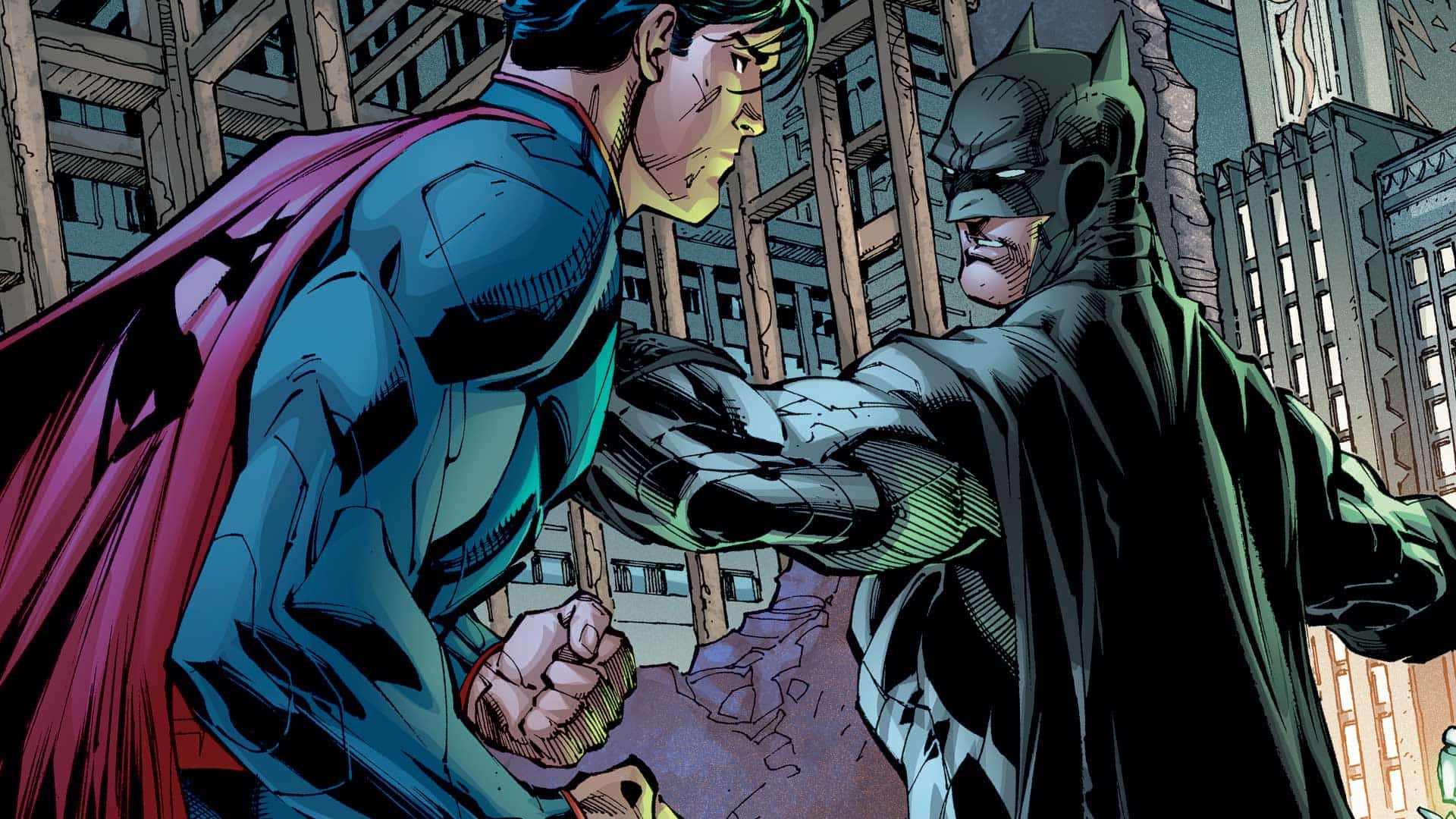
Nearly 15 years before Zack Snyder pitted the two iconic DC heroes against each other in what should have been a cinematic showdown for the ages, Se7en screenwriter Andrew Kevin Walker wrote a screenplay for a movie called Asylum which saw both crusaders at odds with each other.

In the story, Batman’s girlfriend was murdered by Joker, which leads to Batman blaming Superman lashing out at the Man of Steel for interfering with his his vengeance crusade. Unfortunately, the story was deemed too dark to make at the time, so Akiva Goldsman (who wrote Batman Forever and Batman and Robin) was hired by the studio to add more optimism and hope to proceedings. In the end, Warner Bros. decided to relaunch both superhero franchises separately and canned the project.

Red Dots

Blade 4

Blade

David Goyer’s original plan for Blade 3 was to make it a post-apocalyptic tale set in a world inhabited by vampires. The sequel would have been Richard Matheson’s “I Am Legend” only with Blade front and center. Despite the first two movies being hits, though, the original planned third installment was deemed too expensive to make and we got Blade: Trinity instead — a critical and financial flop. Goyer and co. tried to resurrect the franchise with the previous idea, but his tumultuous relationship with Snipes following their fallout on Trinity proved to be the stake to the heart that killed the franchise.

Red Dots

 Vincenzo Natali’s  Swamp Thing

Swamp

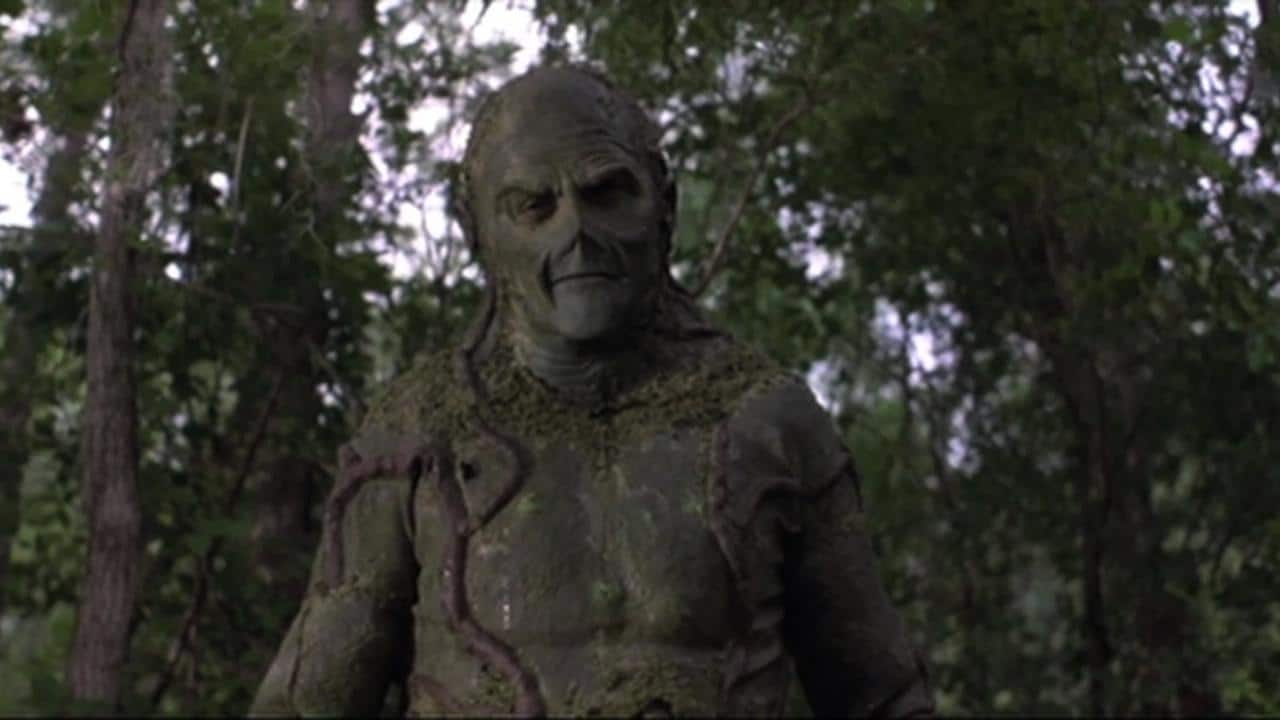
The botanic badass is no stranger to screen adaptations following two live-action movies, a short-lived TV series, and even a children’s cartoon. Back in 2009, however, Vincenzo Natali wrote a script for a reboot that was heavily-inspired by Alan Moore’s beloved comics run. Sadly, the project never materialized, but you can read the first four pages of the script if you’re interested.

Red Dots

X-Men Origins: Magneto

Magneto Xmen

In 2004, Sheldon Turner wrote an X-Men script about Magneto’s life in the Auschwitz death camp; from his capture, to his liberation, and subsequent hunting of the Nazi scumbags who tortured him. David Goyer signed on to direct in 2007, but the project stalled after Ian McKellen dropped out due to his age. Elements of the script then found their way into First Class and that was that.

Red Dots

James Cameron’s Spider-Man

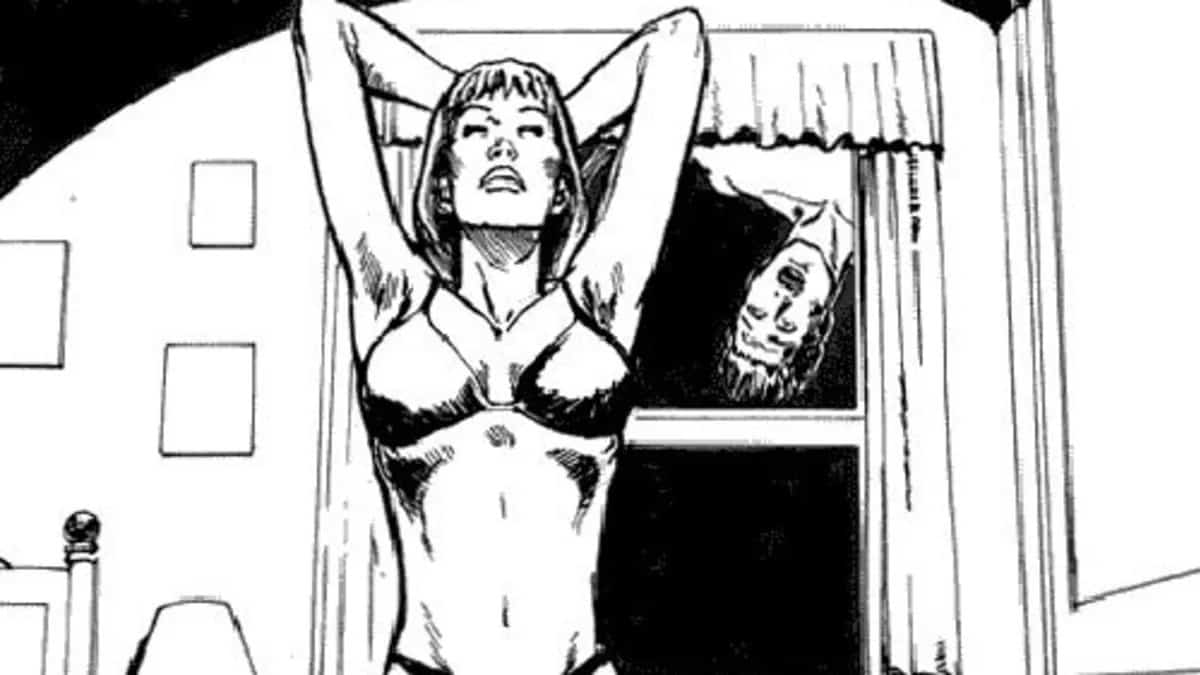
James CameronJames Cameron’s planned 90’s Spider-Man adaptation would have been an experience if the film ever saw the light of day. The plan, you see, was to make our hero an awkward pervert amid his peak puberty years. Spidey would have spied on Mary Jane getting changed and also get jiggy with her on the Brooklyn Bridge some time later. Unfortunately, a legal battle between studios over the rights to the film prevented it from being made and this probably saved Cameron’s career in the long run.

Cameron is a great filmmaker, so to assume that this would have been a disaster is a little far-fetched. Still, a Spider-Man movie where the hero is a peeping Tom sounds like a glorious train wreck on paper.

Red Dots

Jack Black’s Green Lantern

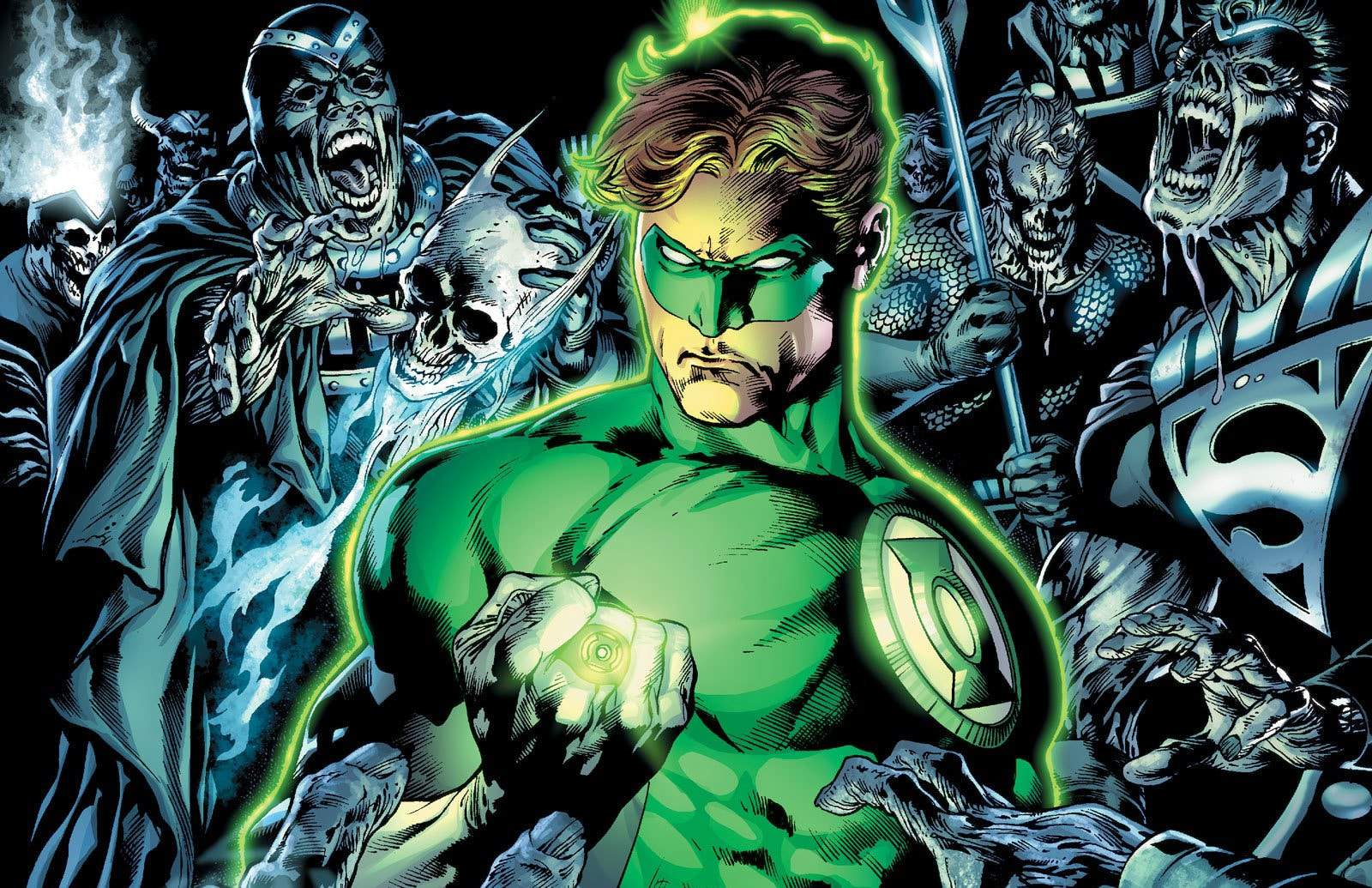
Green Lantern CorpsWay back in 2004, Warner Bros. thought about giving the Green Lantern a big screen comedic makeover starring Jack Black as the titular hero. The actor’s stock was high at the time following the success of School of Rock and Tenacious D, which naturally made him the perfect fit for a movie about a spandex-sporting crusader.

Apparently the film would have also featured Pokemon‘s Pickachu and a giant condom as well. The studio backed decided to back out later because they wanted to stick tried and tested formula when it came to producing successful superheroes flicks. And that formula didn’t contain any traces of anime rodents and gargantuan shlong wrappers.

Red Dots

The Crow: 2037

The Crow

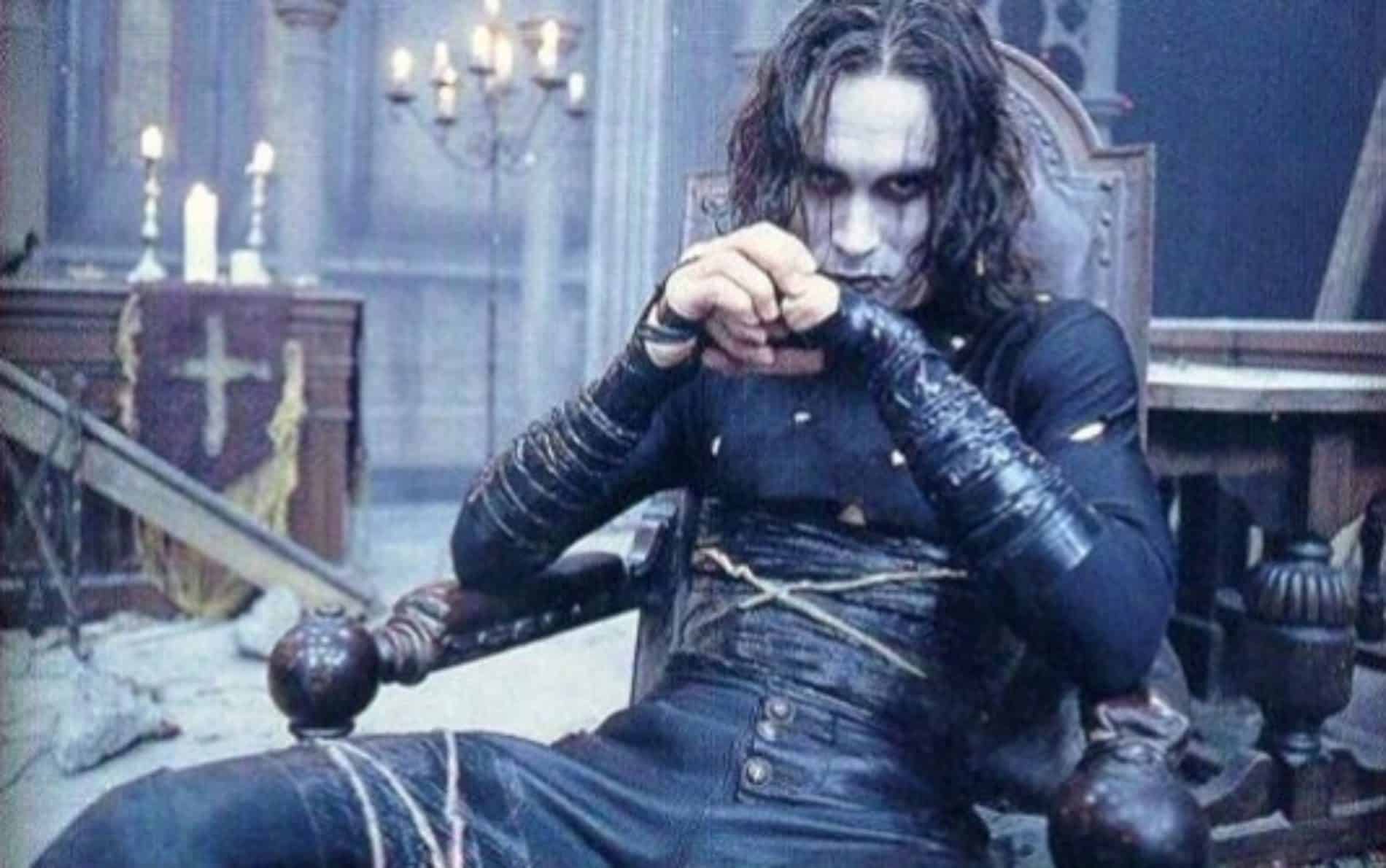
Prior to making his directorial debut with House of 1000 Corpses, Rob Zombie was hired to write and direct a sequel in The Crow franchise that would have followed the underwhelming second installment, Stairway to Heaven.

The story was set in the future and centered around a boy who rises from the dead to avenge the slaughter of him and his mother at the hands of a cultist priest. Sadly, the failure of City of Angels killed the project, but Zombie did apparently repurposed the script as an original project that has since been shelved.

Zombie is filmmaking marmite; you either love his work or you loathe it. But he’s a director with a strong, uncompromising vision and a fondness for making gritty, violent genre flicks. We need more superhero movies with B grade exploitation sensibilities, and this could have been one of those movies.

Red Dots

Wesley Snipes’s Black Panther

Captain America Black Panther

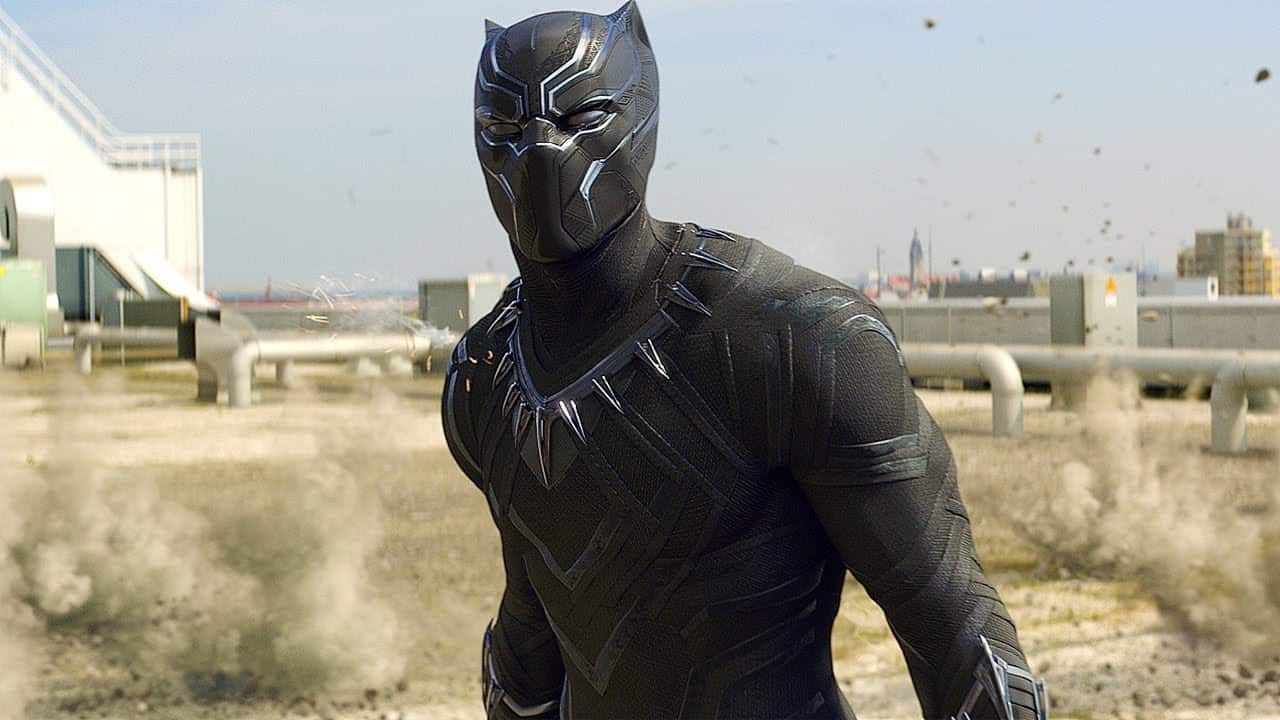
Ryan Coogler’s Black Panther movie was a breakthrough for representation in Hollywood and a bona fide blockbuster success story to boot. And while it wasn’t the first black superhero movie to grace our screens, the Marvel opus is without a doubt the most important. As far as the first Black Panther adaptation goes, wse couldn’t have asked for a better  one — but we nearly got one back in 1992 with Wesley Snipes on board to star as the Wakandan warrior.

According to Snipes, the film was inspired by African martial arts and would have been set in a “very rich culturally diverse shithole.” The project didn’t materialize beyond the writing stage, but at least Snipes went on to spearhead a pivotal black superhero movie a few years later. Maybe this one wouldn’t have changed the game like Coogler’s movie did, but any martial arts film starring an action star like Snipes in his prime deserved a chance.

Red Dots

The Flash

The Flash

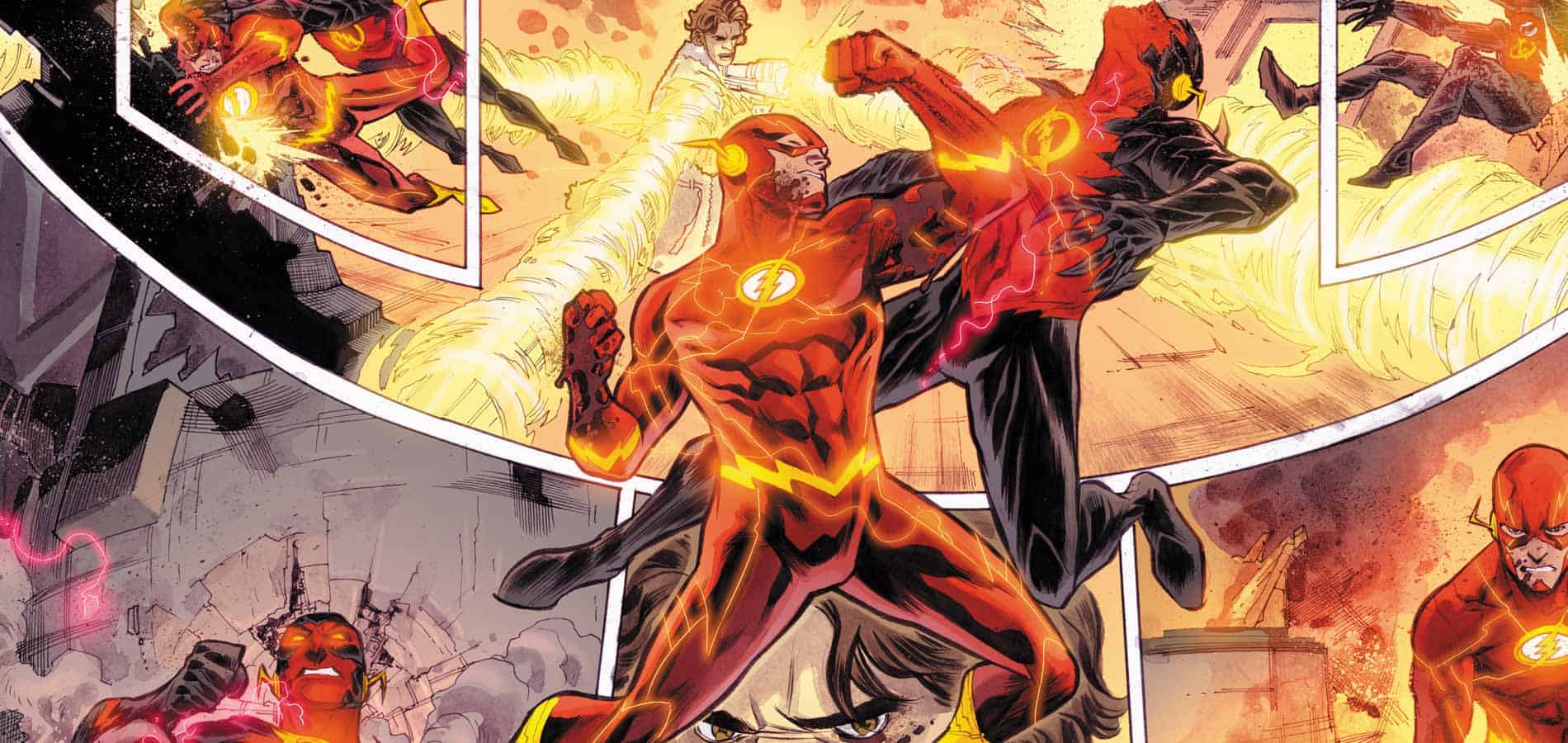
In 2004, hot off the heels of writing Batman Begins and directing Blade: Trinity, David Goyer turned his attention a movie adaptation of The Flash, which he was set to write and direct.

His story featured both the Barry Allen and Wally West iterations of DC’s speedy superhero, and Ryan Reynolds was rumored to don the spandex. Goyer then left the project in 2007 over creative differences and was replaced by other writers and directors who couldn’t get make breakthroughs with the project either. But at least we’re getting a movie in 2020 if the DCEU has spontaneously combusted by then.

Red Dots

Superman: Flyby

Superman

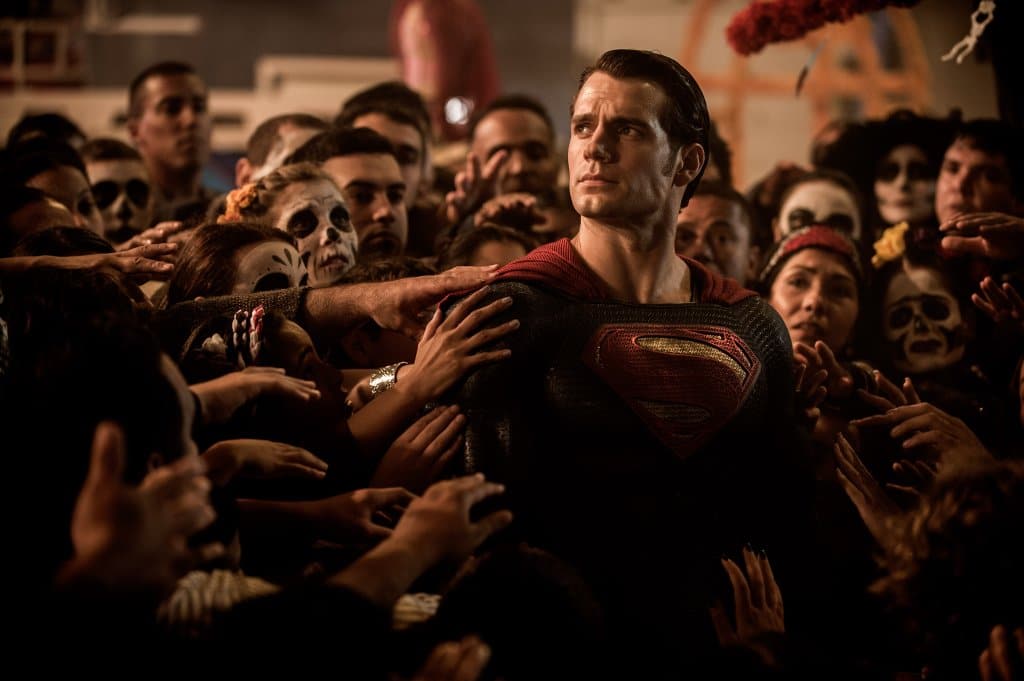
Before Henry Cavill became the Man of Steel, he was nearly cast as Kal-El in a JJ Abrams attempt to bring Superman back to the big screen in the early 2000’s. The film would have been an origin story about civil war on Krypton, which leads to our hero being sent to Earth and adopted by the Kent’s. He would have grown up, fallen in love with Lois Lane, and saved the world. Smallville’s Tom Welling and Supernatural star Jared Padalecki were also circling the lead role, and McG and Brett Rattner were both attached to direct at different points before the project was shelved.

Red Dots

The Wachowskis’ Plastic Man

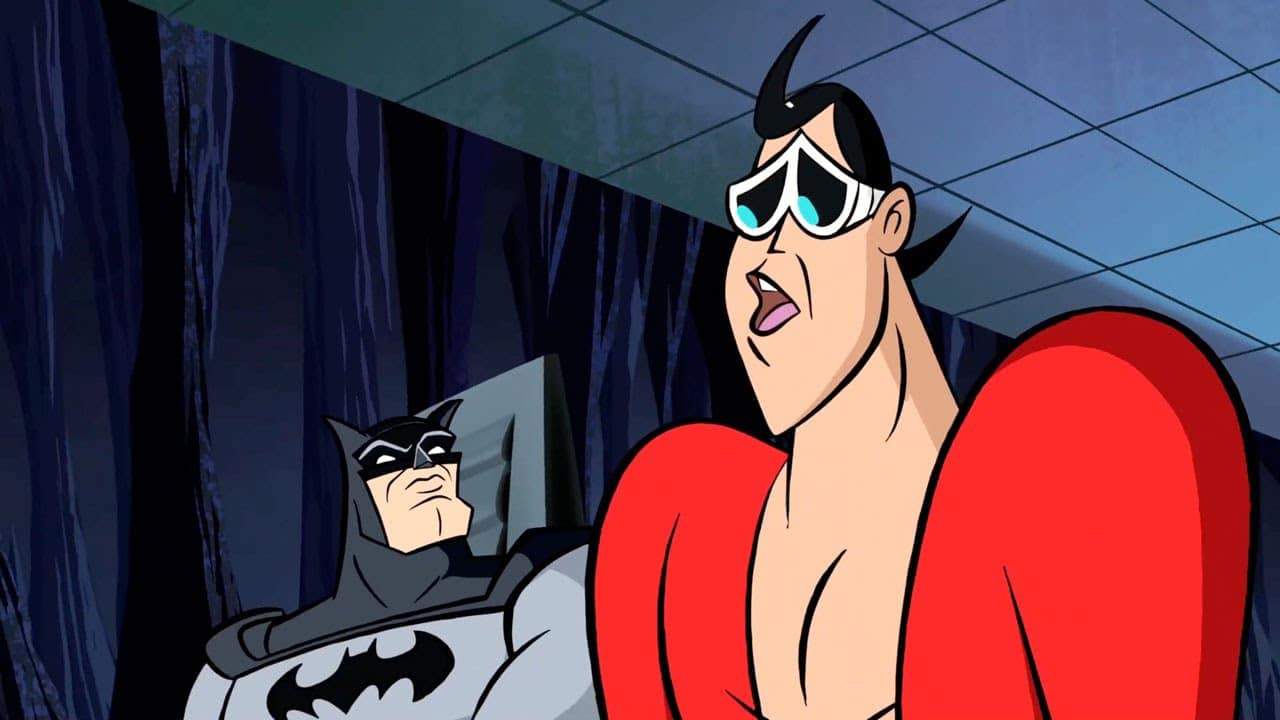
Plastic

In 1995, long before they blew our minds with The Matrix and Speed Racer, The Wachowskis wanted to give Plastic Man his own movie at Warner Bros. Unlike the movies they’re known for these days, the Wachowski’s take on one of DC’s wackiest characters would have been nutty and very tongue-in-cheek, with the titular hero portrayed as an environmentally-friendly crusader. In an interview with MTV, they described it as “the closest thing to a comedy we’ll write.” But it never happened and we didn’t get to see the sibling filmmakers express their intentionally silly side.

Red Dots

Larry Cohen’s She-Hulk

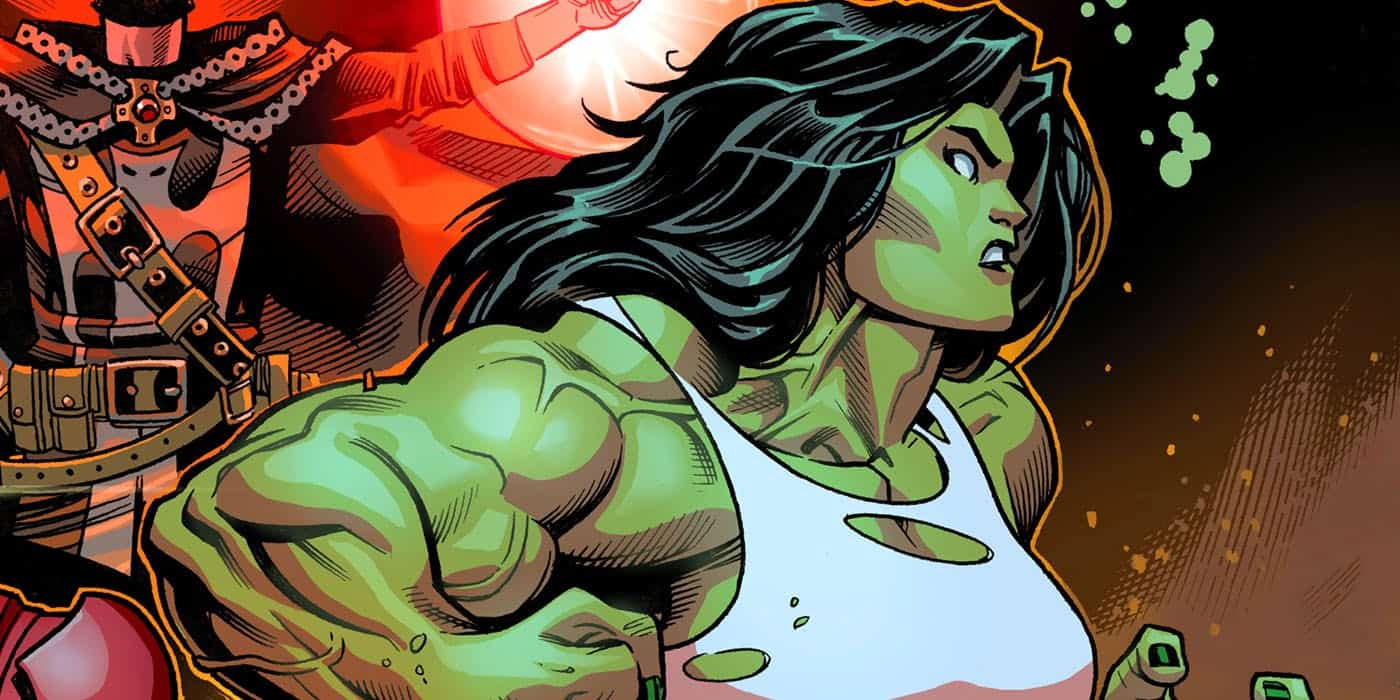
She Hulk Header

The Incredible Hulk TV series from 1978 was so successful that Marvel created a female counterpart to the angry green monster as a direct result. The idea was to introduce the character onscreen in a TV movie called The Death of the Incredible Hulk, starring Brigitte Nielsen as Jennifer Walters and Gabrielle Reece as as She-Hulk. Those plans never materialized, but a standalone She-Hulk movie, which would also have starred Nielsen, was still tossed around in the 90’s.

Larry Cohen, the maverick behind some truly wonderful movies like It’s Alive, God Told Me To, and The Ambulance, was on board to direct. Even though the legendary B-movie auteur was known for cult genre fare with a satirical bite, it would have been fascinating to see how he handled a superhero flick. I’m guessing better than most given that he’s one of the greatest unsung geniuses in the history of cinema.

Red Dots

Arnold Schwarzenegger’s Doc Savage

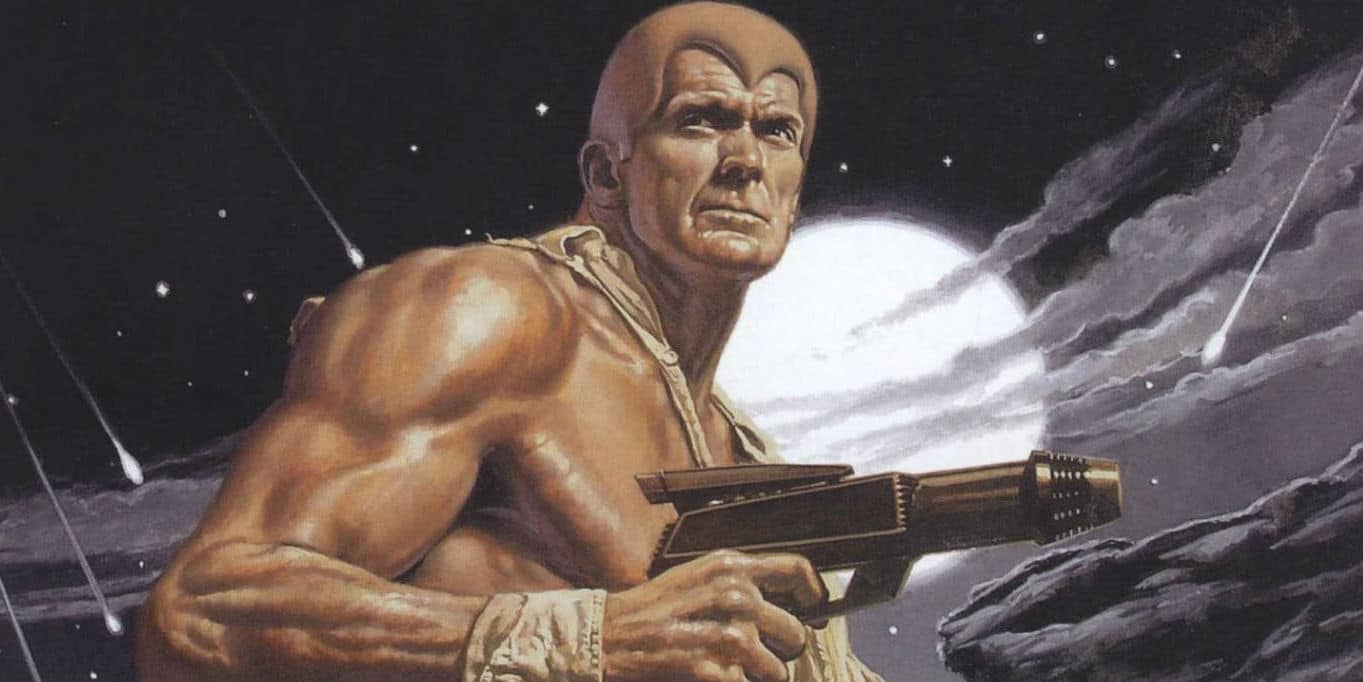
Doc

In 1999, Frank Darabont and Chuck Russell tried to develop a movie reboot of the 1930’s pulp superhero. Screenplay duties were handled by Brett Hill and David Johnson, and Arnold Schwarzenegger was attached to play the titular adventurer. Timing proved to be terrible, however, as Schwarzenegger’s political career became his priority and Darabont and Russell were also involved in other projects, which resulted in the film being shelved.

The day we see a new Doc Savage movie will be nothing short of a miracle. According to Shane Black, the reboot he’d been developing with Dwayne Johnson on board to star is also dead. Let’s move on from this miserable note…

Red Dots

Tobe Hooper’s Spider-Man

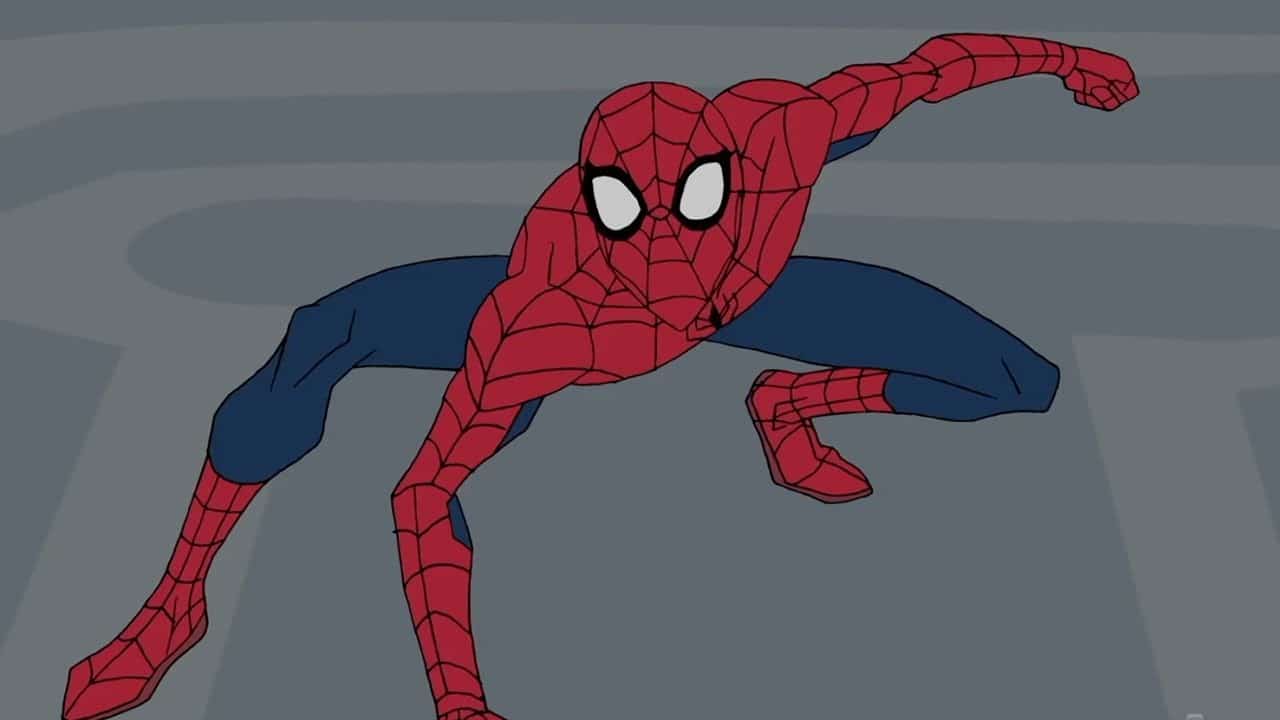
Spidey

Back in the 80’s, The Cannon Group, the studio behind some of the wildest action movies of the decade, bought the film rights to Spider-Man. However, Menahem Golan and Yoram Globus, the legendary hucksters who founded the company, knew nothing about the character at all — only that he was popular. And instead of doing their homework, they let their twisted imaginations run wild instead and devised plans to turn the beloved character into a monstrous spider/human hybrid.

Tobe Hooper was approached to helm their bizarre vision for Spidey. But those plans fell through when the studio had a rare moment of common sense and bucked to the pressure of developing a more traditional adaptation of the popular Marvel comics. That didn’t work out either, though, as they were never able to get the project up and running before their rights to the film expired.

But don’t you wish their original idea became a reality? As much of an abomination the movie would have been, it sounds like the kind of outrageous schlock Cannon specialized in and I’m all for that nonsense. If this travesty went ahead, it would be a beloved cult classic by now.

Red Dots

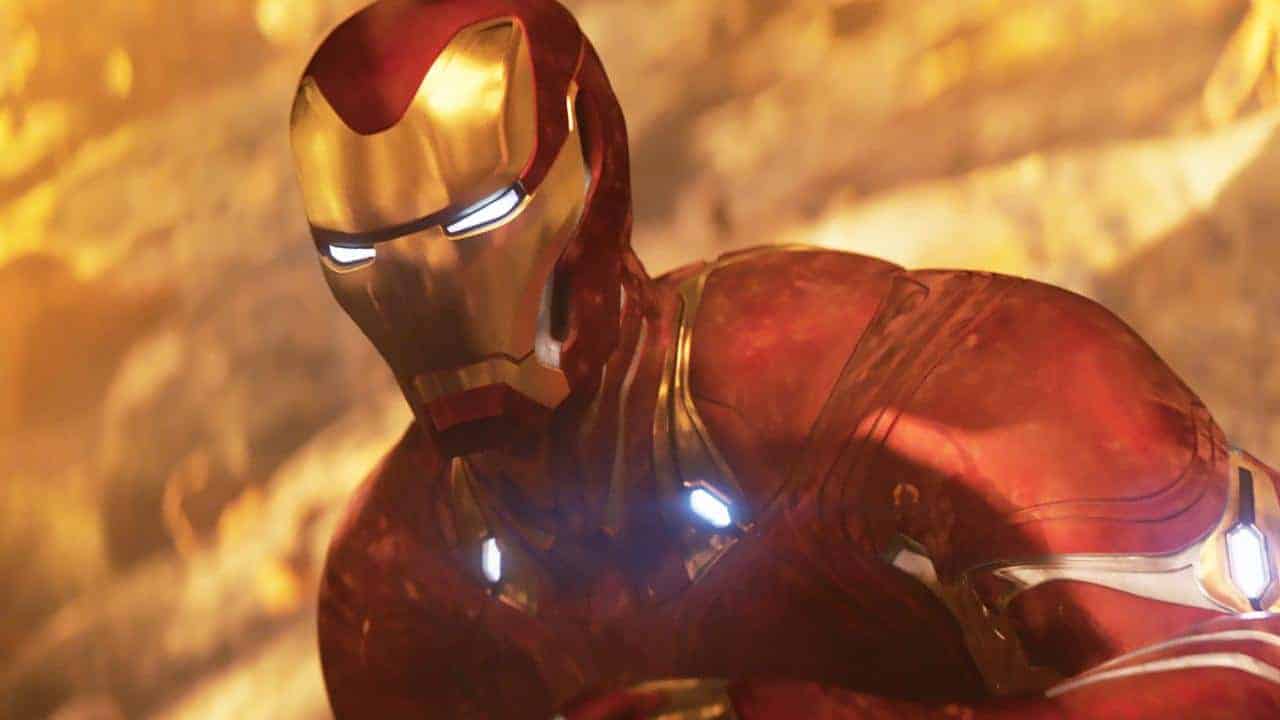
Stuart Gordon’s Iron-Man

Avengers Infinity War Iron Man

Years before Jon Favreau’s 2008 movie launched the Marvel Cinematic Universe into the stratosphere, horror director Stuart Gordon was in line to direct an Iron Man movie back in the 90’s based on a script by Robocop scribe, Ed Neumeier. The story would have followed a retired and reclusive Tony Stark who’s forced to return to his old heroic ways when the world is threatened by some kind of disaster. That’s really all we know about the project, but it may have starred Tom Cruise or Nic Cage as they were both linked with the role for a long time before Robert Downey Jr. eventually donned the suit and made it his own.

Red Dots

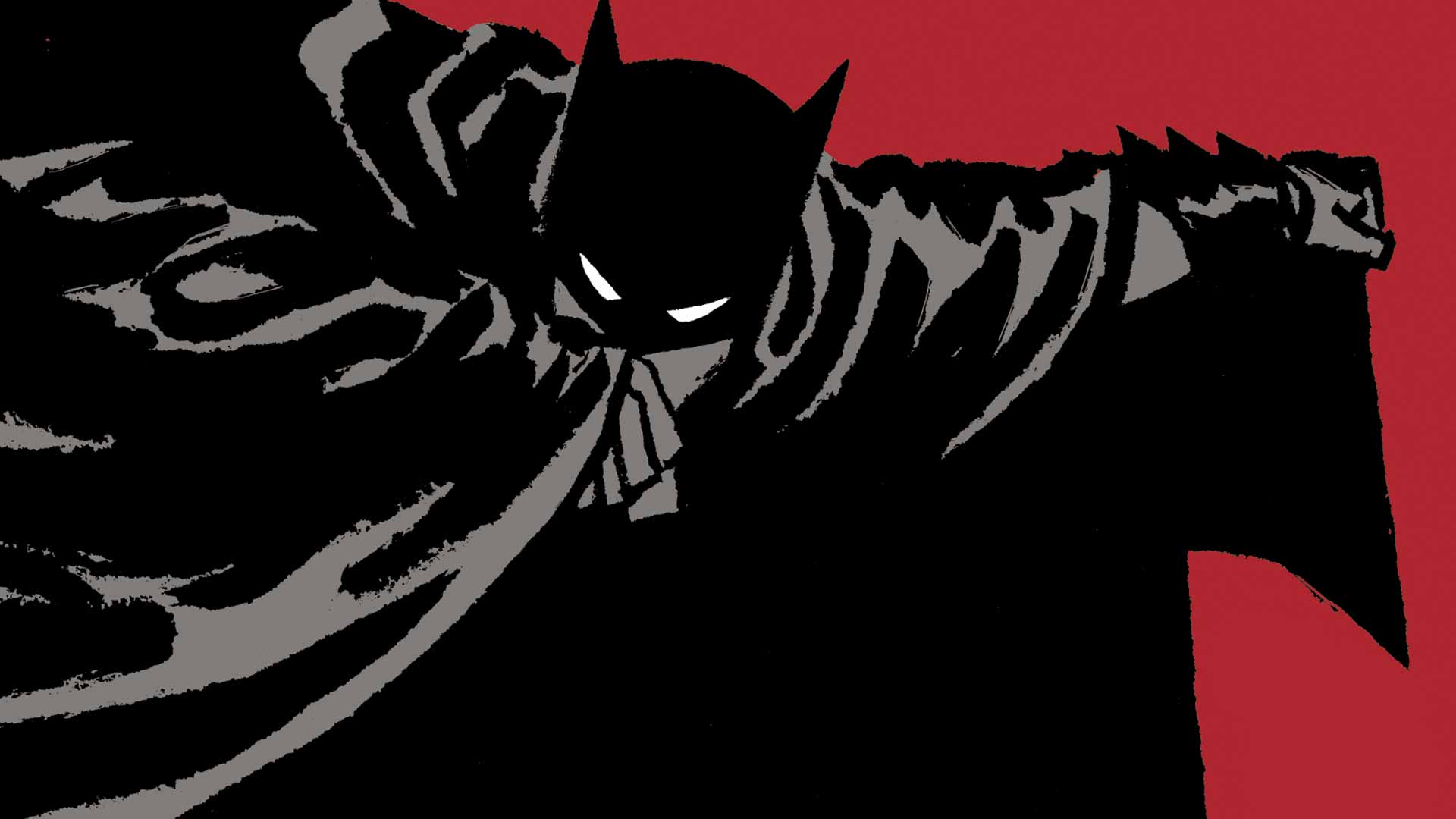
Batman: Year One (Aronofsky)

Batman Year One

Christopher Nolan is credited for taking the Batman saga in a more grounded and dark direction. Before he was given the reins to the franchise, however, Darren Aronofsky had similar ideas in mind for the Dark Knight in 1999 when he was working on his own movie inspired by the “Year One” comics. Furthermore, the script was penned by none other than Frank Miller.

Despite the new ideas Aronofsky and Miller had in mind for Gotham’s main guy, the core of the Batman backstory remains the same — young Bruce Wayne witnesses his parents’ execution at the hands of some rotten scoundrels and is raised by Alfred. In this iteration, Bruce wasn’t rich and Alfred was a blue-collar mechanic who raises Gotham’s future hero in an auto-repair shop. That’s until Bruce has had enough of seeing his city deteriorate at the hands of pimps and crooks anyway.

The film would have been R-rated, with Joaquin Phoenix in mind to play the shadowy crusader.

Red Dots

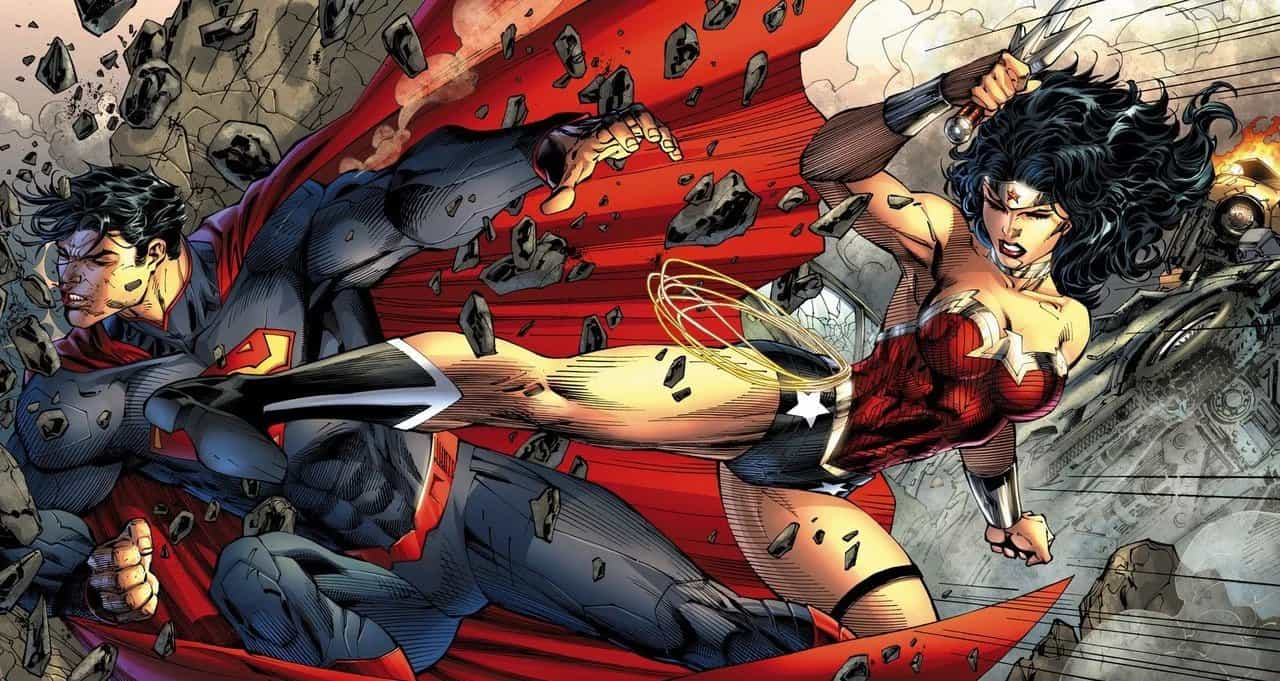
Justice League: Mortal

Wonder Woman

In 2008, George Miller very nearly directed a Justice League movie that was loyal to the comics and even featured a cast of up and coming hotshots. The worst part? the film was a stone’s throw away from filming when the plug was pulled on production.

The hero and villain ensemble included Armie Hammer (Batman), Adam Brody (The Flash), Common (Green Lantern), DJ Cotrona (Superman), Megan Gale (Wonder Woman), Hugh Keays-Byrne (Martian Manhunter), Santiago Cabrera (Aquaman), Zoe Kasan (Iris Allen), Jay Baruchel (Maxwell Lord) and Teresa Palmer (Talia al Ghul).

A host of factors killed this one. Miller blames it on some legislation regarding tax rebates which prevented them from shooting the movie in Australia as planned. Additionally, it is believed that Warner Bros. didn’t want different versions of their characters competing with each other as The Dark Knight franchise was in full-swing and the studio still hadn’t ruled out a sequel to Superman Returns.

Red Dots

Doctor Strange (Wes Craven)

Doctor Strange

Scott Derrickson cut his teeth as a horror auteur before he became part of the Marvel roster when he directed 2016’s Doctor Strange. That said, he wasn’t the first terror maestro to be offered the chance at bringing Marvel’s mystical hero to life. In 1992, the iconic Wes Craven (who was no stranger to comic book movies) signed on to write and direct an adaptation for Savoy Pictures, but the studio’s financial troubles which led to its bankruptcy two years later proved to be the death knell for the project.

Red Dots

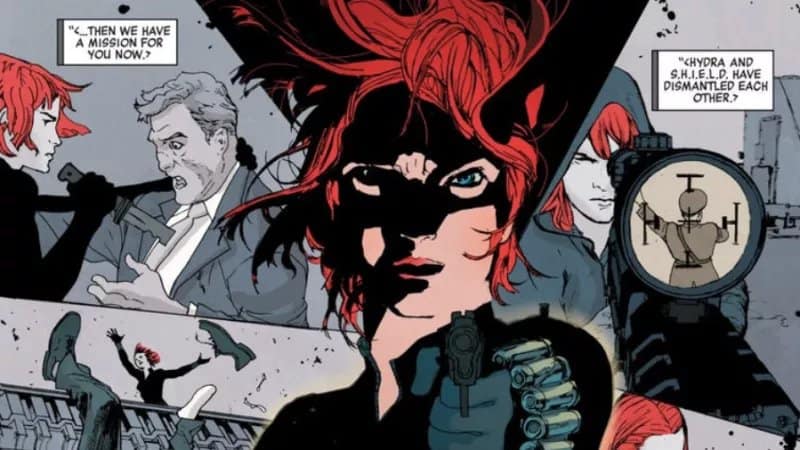
David Hayter’s Black Widow

Black Widow

Bringing Black Widow to the big screen for her first landmark solo outing has proven to be an arduous task thus far. In fact, it was only this summer that Marvel appointed a director to take the reigns. In the early 2000’s, though, X-Men writer David Hayter was attached to a live-action project that would have taken place against the backdrop of the Soviet Empire in the midst of a potential nuclear war. But poor timing thanks to bad Uwe Boll movies crushed that dream.

When Hayter was developing the movie, Bloodrayne, Ultraviolet, and Aeon Flux had recently underperformed at the box office. In the eyes of studio executives, the marketplace just wasn’t ready for female-centric action movies. Hayter was so confident that the movie would happen, though, that he even named his daughter Natasha in honor of it. So not only did the studio fail to give representation a chance — they also tainted a child.

Red Dots

Hellboy III

Hellboy

Ever since 2008’s Hellboy II: The Golden Army left the franchise open to all kinds of intriguing storytelling possibilities, fans of Big Red wanted nothing more than to see Guillermo del Toro and Ron Perlman reteam for one last hurrah. For years, the project fluctuated between being dead in the water and a slight possibility — until 2017 when it was announced that the franchise was being rebooted by Neil Marshall with David Harbour on board to play the cigar-chomping demon.

According to the director, part three would have centered around the end of days with “heartbreaking and tragic” results. Golden Army teased our demonic protagonist embracing his evil side in the finale, which would have added an intriguing dimension to the character and a dramatic story no doubt.

Del Toro and Perlman stated interest in returning completing the super saga, but with the former’s neverending list of projects constantly piling up, finding time to focus on a sequel to a franchise that didn’t exactly light the box office on fire wasn’t a high priority.

Red Dots

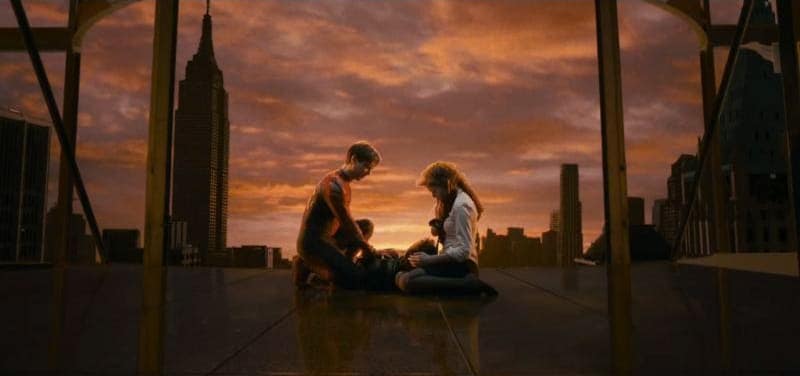
Spider-Man 4

Sunset Spider Man

Spider-Man 3 didn’t receive the most glowing reviews, but the film still managed to gross over $890 million at the global box office and director Sam Raimi seemed to have unfinished business with his favorite superhero. Intending to the right the wrongs of the third installment, he began work on a follow-up with Tobey Maguire and Bruce Campbell set to return. Anne Hathaway and Rachel McAdams also auditioned for the role of Black Cat, with the former particularly impressing.

Zodiac’s James Vanderbilt was hired to write the script, but David Lindsay-Abaire and Gary Ross were brought in later on for re-writes. The plan was to begin filming in 2010, but with Sony planning a reboot script just in case Raimi’s sequel didn’t work out, the director eventually stepped down. The franchise was then rebooted as The Amazing Spider-Man and the that marked the end of Raimi’s era.

Red Dots

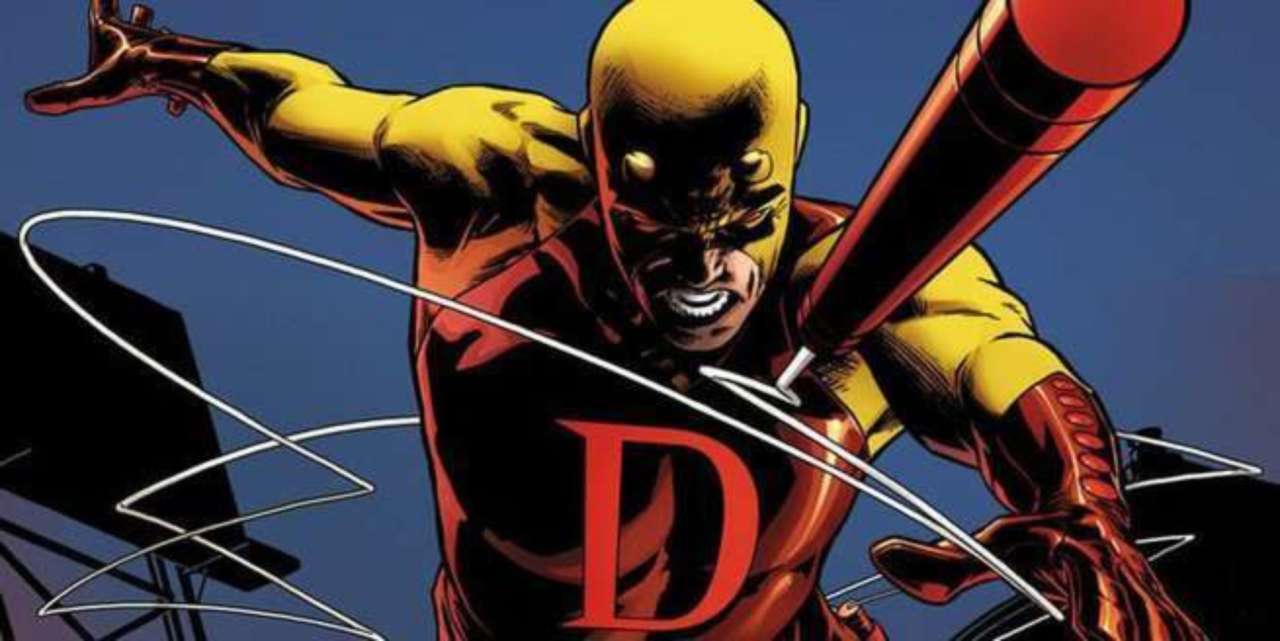
Joe Carnahan’s Daredevil

Daredevil Comic

Before Marvel and Netflix gave the Man Without Fear a new lease of life on the small screen, the character was still owned by 20th Century Fox. They didn’t have big plans for him after the very underrated (fight me) 2003 movie starring Ben Affleck, though, which failed to set the world on fire. Joe Carnahan saw potential in the character, however, and pitched an R-rated reboot that would have been much darker and grittier than the previous film.

His plan was to make a brand new trilogy of films set across several years. As he told ComicBook, “I suggested a trilogy as follows: ‘Daredevil ‘73’, ‘Daredevil ‘79’, and ‘Daredevil ‘85’ where I was going to do a kind of ‘cultural libretto’ and make the music of those eras a kind of thematic arc . So the first one would be classic rock, the second one would be punk rock and the third film would be ‘new wave.’’’ That actually sounds more interesting than the excellent Netflix show.

Marvel wanted their creation back, though, and they regained rights to the property before Carnahan could make any serious progress to bring his violent vision to life.Red Dots

Joss Whedon’s Wonder Woman

Wonder Woman And My Axe

Once upon a time, Joss Whedon was celebrated for creating TV shows that empowered women. He was a self-defined feminist and his ideals were apparently evident in his work. This perception changed years later when his ex-wife revealed that he cheated on her repeatedly. Still, long before his promiscuity became public knowledge. he was attached to a Wonder Woman movie in 2005 — when public opinion of him was still high.

In Whedon’s movie, the story would have been set in Gateway, a city ravaged by inequality. Wonder Woman would have tackled the crime that was spreading as a result of the harsh social conditions, with Strife set to be the film’s main villain.

Production never progressed, but the script was leaked online prior to the release of the 2017 Patty Jenkins movie only to be met with accusations of sexism, which Whedon disagreed with.

Red Dots

Justice League Dark

Justice League Dark

Calling the current DC cinematic universe inconsistent would be an understatement. So far, Wonder Woman is the only movie general consensus agrees is good, and one decent movie hasn’t exactly given fans reason to be hopeful or excited about the franchise’s future. However, when they unveiled plans to introduce a cooler Justice League faction than the current one to their cinematic slate, there was reason to be excited again. That didn’t last long.

Justice League Dark would have assembled Deadman, Zatanna, John Constantine and Swamp Thing — DC Comics’ more horror-centric players. Guillermo Del Toro, a natural fit for any movie about monsters and all things supernatural, penned a script for the film but reportedly dropped out to focus on other projects.

Doug Liman stepped in afterward, only to abandon ship as well in 2017. The project was subsequently shelved with no plans in place at the time of writing to move forward with it. If DC have any sense, they’ll throw money at del Toro to come back and let him adapt these characters as he sees fit.

Superman Lives
Nicolas Cage Superman

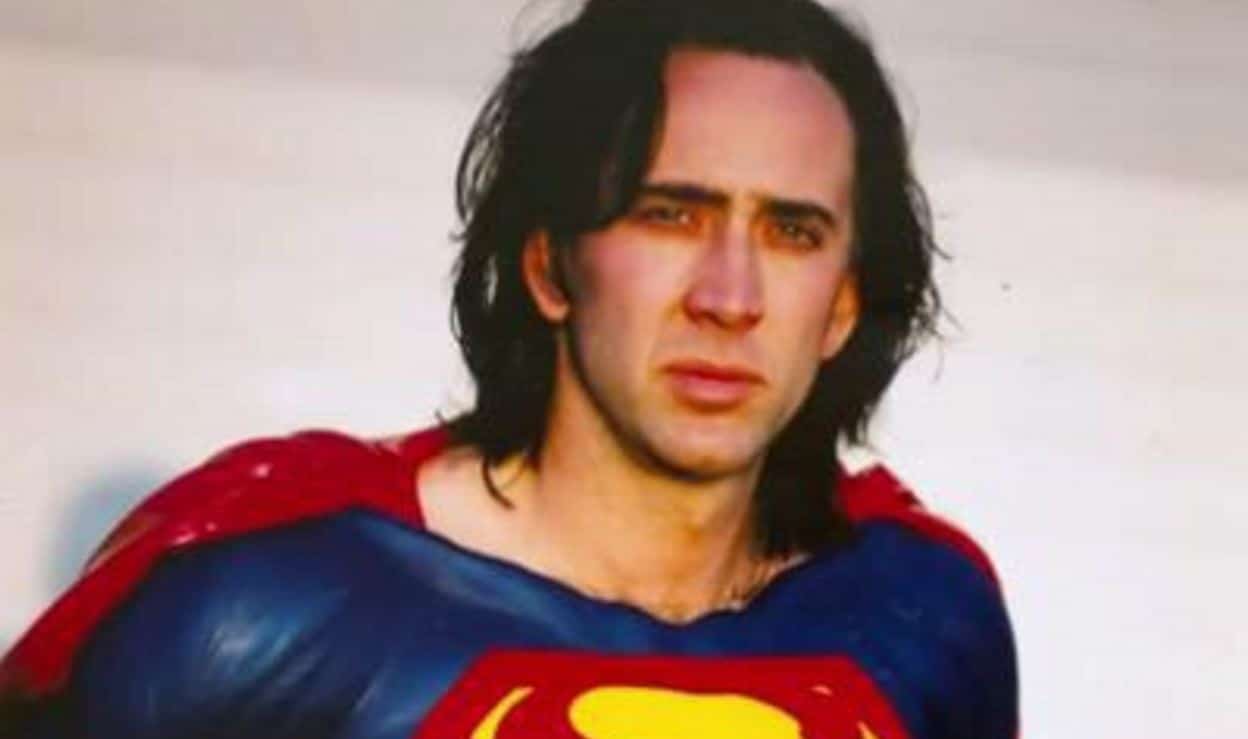
In the mid-90’s, Kevin Smith was commissioned by Warner Bros. to write a script for a new Superman movie. As the Clerks director recalled in this Q&A, the producer wanted him to write the movie for Sean Penn because he had the eyes of “violent caged killer” and demanded that the iconic Superman suit be removed because it looked too “faggy.” And to cap it all off, the movie also had to include giant spiders, polar bears, and a camp robot sidekick. Welcome to Hollywood, everyone.

Plans changed shortly after when Tim Burton was hired as director and Smith was booted from the project. New scripts were penned by Wesley Strick and Dan Gilroy with Brainiac, Lex Luthor, and Doomsday to feature as the big bads. Nic Cage was cast as the Man of Steel, sporting beautiful long hair. This had beautiful disaster written all over it

Of course, the movie was too good to be true. Nic Cage as Superman? Such a thing would only happen in a world where a God existed. But if you want to find out more about this odd slice of pop culture folklore, then Jon Schnepp’s excellent doc The Death of Superman Lives: What Happened? is essential viewing.


The post 25 Planned Superhero Movies That Never Happened appeared first on Film School Rejects.

The 50 Best TV Pilots of the 21st Century

First episodes are notoriously tough to pull off, but all of these shows started strong.

I have a friend who hates pilot episodes. It’s understandable, as the first episode of a series is often awkward, overly expository, sensationalized, or even features a different cast than later episodes. Naturally, a piece of art gets better when more time is spent on it, so thanks to the speed with which new series are pumped out, plenty of pilots feel like messy rough drafts. A series doesn’t need a good pilot to become a good show, but there are still plenty of excellent pilots out there that deserve praise for exceeding expectations.

In my attempt to give TV pilots a better name, I did what any normal person would do: I watched a few hundred of them and made a list of 50 exceptional ones, ordered by a complex ranking system. Some notes: for organization’s sake and for my own sanity, I didn’t include miniseries that ran for a single season, children’s television, reality or variety shows, or anything that was created before the year 2000. The list is composed of adult narrative series from the 21st century. And before you press send on that comment, The Sopranos was in the ‘90s and therefore ineligible.

It would’ve been impossible to slap together a ranked list like this without a foundational criteria, so I identified six elements of a good pilot which I then used to evaluate each show that I watched (shoutout, as always, to Matt Zoller Seitz and Alan Sepinwall’s TV: The Book for inspiring me to consistently up my list-making game).

1. Does the pilot have a point of entry? Is it open enough for audiences to stick with it and respond positively?

2. Does the pilot have a sense of artistry–outstanding technical elements, writing or acting which sets it apart from other shows?

3. Does the pilot feel complete, and already contain the DNA of the show that it would later become?

4. Does the pilot feel fresh, or is it something I’ve seen dozens of times before?

5. Is the pilot relevant to the rest of the series, or does it feel random and detached?

6. Does the pilot still hold up today? Shows from the past two years can only score a two out of four on the final category since there hasn’t been time to view them with any decent sense of retrospect.

Below, check out the 50 greatest TV pilots of the 21st century.

50. Supernatural (2005)Supernatural

The first episode of this ghost-hunting slice of Americana has everything viewers could ask for, plus a couple of things none of us could have predicted. Among its treasures are a few genuine scares (a rarity in the show overall, which is more funny-sad than it is frightening), Mulder-and-Scully-gone-con-artist antics, enduring central mythology, and a couple of stardom-worthy heartthrobs in the form of frontmen Jensen Ackles and Jared Padalecki. After over a dozen seasons of the Winchester brothers’ antics, the pilot’s thrillingly rebellious attitude is as classic as Dean’s ’67 Chevy Impala. Note: if you can, watch this one on DVD or Blu-ray, since the Netflix version replaces much of the first season’s classic rock soundtrack with knock-off tracks for rights reasons.

49. The Leftovers (2014)The Leftovers

Oppressively bleak, purposely mystifying, and (no joke) bookended by scenes of men shooting dogs, the first episode of Damon Lindelof’s opus is nothing if not bold in its intentions. The story of Kevin Garvey and the other survivors of the “Sudden Departure”–a rapture-like event that saw 2% of the world’s population disappear in an instant–would go on to make one of the greatest underseen TV series of the decade, but in its first hour the show leaves us to wade through its characters’ muddled grief. Picking up three years after Departure and dwelling on the already-intriguing lives of the left-behind, the pilot takes us inside a silent cult, a potential prophet’s compound, a sex-fueled teen party, and an uncomfortable in memoriam parade.

48. How I Met Your Mother (2005)How I Met Your Mother Through The Years Pilot

The sitcom that at its highest points felt like a more clever and less linear revamp of Friends hasn’t aged gracefully, but its first outing holds up surprisingly well thirteen years later. In under thirty minutes, it establishes the hallmarks of its core group–Lily and Marshall are adorable and goofy, while Ted is overly-romantic and Barney is an aggressively flirty bachelor. Robin’s quirks would come later, as in this episode she’s introduced as the girl across the bar who Ted falls for at first sight and later woos by stealing a blue French horn. Funny and sweet, with hints of the bizarre humor that dominated later seasons, the HIMYM pilot will forever be remembered for the framing device–future Ted telling his kids the long-winded story of how he hooked up with their mom–which would become the show’s blessing and curse.

47. Barry (2018)Barry

If we’ve learned anything from some of the standout cult shows of this century so far (see also: Six Feet Under, Pushing Daisies, The Good Place), it’s that funny and dark can and probably should coexist. Still, it’s a tricky tonal cocktail to pull off, and few series have been able to capture it right off the bat as well as Bill Hader and Alec Berg’s Barry. “Make Your Mark” sees endearing Midwestern hitman Barry discover his true passion, acting, just as a high-stakes job for some Chechen mobsters starts going south. There are two standout scenes here, and each strikes a darkly satisfying chord. First, Barry (Hader) improvs a from-the-heart monologue about his life as an assassin, wowing an oblivious drama teacher (Henry Winkler). Later, he handily disposes of several threats with some quick gunmanship, then nonchalantly takes a seat at a diner, where he tells the waitress he’s an actor.

46. Babylon Berlin (2017)Babylon Berlin

There’s only room for one high-budget, 1920s-set show on this list and, sorry Marty, Boardwalk Empire ain’t it. This German period drama, reportedly the most expensive show in the country’s history, is visually rich and narratively compelling in its first hour. The Netflix description of the series says that “a Soviet freight train’s hijacking leads a haunted cop and a poor typist to uncover a political conspiracy,” and it’s as jam-packed from the jump as that sentence would lead you to believe. Brimming with shiny, noir-adjacent intrigue, Babylon Berlin‘s pilot isn’t afraid to delve into the darkest, scummiest corners of pre-WWII Germany, and looks great doing it.

45. Legion (2017)Legion

Legion feels a lot like a big magic trick in that it’s sometimes exhilarating and sometimes exhausting, but the show’s first stunt was arguably its best. Much like Aubrey Plaza’s balls-to-the-wall character Lenny Busker, the show appeared as a Trojan horse. For the first three-quarters of its pilot, Legion was a Marvel adaptation disguised as a dizzying, formally impressive ode to Kubrick and Malick, and showrunner Noah Hawley did a stellar job hooking the anti-superhero crowd before revealing its ties to X-Men. The pilot has lots to love, from a body-switching plot to an action-heavy climax scene, but its opening sequence–a mesmerizing montage of the schizophrenic life of David Haller (Dan Stephens) set to The Who’s “Happy Jack”–takes the cake.

44. The Boondocks (2005)The Boondocks

“Jesus was black, Ronald Reagan was the devil, and the government is lying about 9/11.” Thus begins the radical, brilliant satirical cartoon created by Aaron McGruder. Huey Freeman (Regina King) breaks this news to a bunch of rich folks at a garden party, which results in a hilariously over-the-top riot of the white upper class. This sequence turns out to be a dream, but the ill-fated garden party quickly becomes real when Huey and his brother Riley (also King) get dragged along to a prestigious get-together to which that their grandad gained an invite. Plenty of animated pilots are only mildly funny, but nearly every joke in this one hits just as well now as it did over a decade ago, including but not limited to grandad’s Civil Rights Era flashback and his assertion that the new, “refined” white man loves cheese.

43. One Day at a Time (2017)

Too many sitcoms feature families who barely seem to like one another. To be fair, it’s tough to pull off genuinely good-natured family dynamics in the multi-cam format without crossing into saccharine territory. One Day At A Time does that, though, and so much more in its endearing first half hour. Most of the plot is simple; feminist daughter Elena (Isabella Gomez) doesn’t want to have a quinceanera, and son Alex (Marcel Ruiz) wants to buy a bunch of expensive shoes to look cool at school. The episode’s writers could’ve grazed the surface of these two storylines and still made a competent pilot, but instead, they nimbly linked the two plots together via mom Penelope’s (Justina Machado) depression and insecurity as a single parent breadwinner. A conversation about the cultural stigma surrounding antidepressants gets beautifully real, and the show proves in scene after scene that it can juggle jokes and serious stuff better than any traditional sitcom in recent memory.

42. The Wire (2002)The Wire

The Wire‘s episodes work in tandem to create a bigger picture, and each season feels like a section of a magnificent tapestry of urban America. Naturally, then, the show works better when viewed as a whole, but “The Target” as an individual part is still pretty impressive. The episode introduces most of the series’ major players, shows Detective McNulty (Dominic West) setting his sights on drug kings Stringer Bell (Idris Elba) and Avon Barksdale (Wood Harris), and ends with a series of scenes which clue us into the familial and work relationships that later become central elements of the series. Nothing works as well as the cold open, though, a miniature reflection of the poetry, irony, unlikely camaraderie, and cynicism that loom large over all of David Simon’s works. When a guy named Snotboogie is gunned down, McNulty learns that he tried to steal from his friends’ craps game week after week. “If Snotboogie always stole the money, why’d you let him play?” McNulty asks the witness as the two sit feet away from the body. The answer? “Got to. It’s America, man.”

41. Fringe (2008)Fringe

The X Files‘ heir apparent transformed more than once over the course of its five seasons, but I’ll always remember the thrill of its big-idea-filled first episode, which was written by sci-fi dream team J.J. Abrams, Roberto Orci, and Alex Kurtzman. The 81-minute premiere reportedly cost ten million dollars, and the budget shows in the elegant, sleek production design and harrowing practical effects. When FBI special agent Olivia Dunham (Anna Torv) is tasked with investigating a bio-terror attack that essentially melted the faces off dozens of plane passengers, she discovers the clues to a larger conspiracy involving the fringes of known science. Along the way, she also recruits bad boy genius Peter (Joshua Jackson, who would eventually become the series’ heart) and his institutionalized mad scientist dad Walter (John Noble). The dynamics are a rough sketch of what they later become, but there’s promise in every scene.

The post The 50 Best TV Pilots of the 21st Century appeared first on Film School Rejects.

The 20 Best TV Bottle Episodes Ever

Sometimes you want to go on a little side adventure to a single location.

The concept of a bottle episode is simple: a single set of characters in a single space for an entire episode. The format was originally used to keep costs low in between more expensive episodes. But the bottle episode has evolved from a money-saving workaround to a creatively liberating setup. Many series’ best — and most divisive — episodes take place within a bottle. Drama or comedy, sci-fi or romance, every show can mine bottled situations for brilliance. Without further ado, here are the 20 best television bottle episodes of all time:

20. “Dinner Party,” Frasier

Frasier Dinner Party

NBC

“Dinner Party” feels more like a work of farcical theatre than an episode of television. Not only does it take place in one room, but it transpires in real time as Frasier and Niles attempt to plan a dinner party. It depicts with depressing accuracy the anguish of adulthood – namely, the logistical nightmare that is trying to have a social life. For 22 minutes, the brothers thumb through planners, schedule and reschedule their evening, and struggle to assemble a guest list. The Venn diagram of desirable guests and available guests turns out to has little overlap, and their intime soiree ends up to be an ill-attended and poorly catered gathering of undesirables.

It’s almost disturbing how precisely “Dinner Party” captures the hard labor required to have friends as an adult. The episode is well-written and well-acted, surely, but its thematic content is what really makes it stand out as a special bottle episode. The entire 22 minutes, I couldn’t stop thinking about John Mulaney’s take on the perils of social planning: “I want to write songs for people in their 30s called ‘Tonight’s No Good. How About Wednesday? Oh, You’re in Dallas Wednesday? Let’s Not See Each Other for Eight Months and It Doesn’t Matter at All.’”

19. “The One Where No One’s Ready,” Friends

Friends Where No One's Ready

NBC

I never much cared for Ross. But throughout the episode “The One Where No One’s Ready,” I really do feel his pain. Watching him struggle to rally his friends to get ready and get going to an important event struck a nerve with me; punctuality, it would seem for Ross and me, is a blessing as a curse. It brings with it the satisfaction of knowing you’ll never be fired for being late and no one will ever complain about your tardiness behind your back. But it brings with it the agonizing pain that is attending events with decidedly unpunctual loved ones.

But besides its profoundly personal relatability, “The One Where No One’s Ready” also captures in its bottle the essence of why Friends worked: the piquant chemistry between all six Friends. They’re sometimes rivals, sometimes bedfellows, but always steadfast companions. In real time, we watch their brand of zany friendship unfold, as frustrations bubble, anxieties heighten, and resolution is reached. The episode so thoroughly encapsulates the core of Friends, that Jay-Z recreated its opening scene in his music video for “Moonlight” (with a stellar cast to boot).

18. “Vision Quest,” Archer

Archer Vision Quest

FXX

Boy oh boy do Archer, Lana, and the rest of the employees at ISIS hate each other. That’s why it’s no surprise that being briefly trapped in an elevator can quickly devolve into a scene out of “Lord of the Flies.” In real time, Archer’s central characters experience the full spectrum of human emotion. With little in the way of plot, the characters bear the entirety of the comedic burden. But through simple conversation unaided by flashbacks or cutaways, their pure chemistry – or rather, their lack thereof – provides ample raw material for maximum humor.

Within 20 minutes, each elevator rider reverts to their truest and rawest selves, tossing rules of civility to the wayside to poorly handle their mild emergency. By the episode’s end, Archer’s fired his gun, Pam’s poorly peed in a bottle, Cyril is masturbating. Has this all been an elaborate team building exercise? It’s not exactly clear. What is clear is that this bottle episode is a testament to Archer’s biggest asset: its characters. Despite its flashy spy missions, exciting action sequences, and aesthetically pleasing animation, the lovably dysfunctional colleagues at the heart of the series are the real reason to watch.

17. “Pine Barrens,” The Sopranos

The Sopranos Pine Barrens

HBO

Many critics have declared “Pine Barrens” to be the best episode of The Sopranos, and it’s not hard to see why. I’ve never been a bit Sopranos fan, but “Pine Barrens” – directed by Steve Buscemi – is a technical and narrative feat that is undoubtedly impressive. The plot is simple: Chris and Paulie are “just two assholes lost in the woods.” When a hit on a Russian mobster goes south, Chris and Paulie end up stranded in the snowy woods, disoriented and freezing. In all the commotion, Paulie loses a shoe.

Some see the episode as an extended allusion to Beckett’s Waiting for Gadot, others see a nihilistic depiction of the universe’s indifference to our suffering. But above all, “Pine Barrens” is a great character study. Paulie, for example, spends the beginning of the episode getting a manicure, requesting the “satin finish.” By the end, he is shoeless and undone, slurping up sauce packets for sustenance and accepting death in a freezing car. For the first time, he understands he is not invincible. As we throw these two hyperaggressive mobsters into direct opposition, the explosive tension and high stakes make for excellent characterization. By the episode’s end, we understand them and they understand each other better than before.

 16. “Leslie and Ron,” Parks & Recreation

Parks And Rec Leslie And Ron

NBC

In its seventh season, Parks and Recreation jumps ahead three years into the future. A lot has changed: Andy has his own TV show, Tom’s Bistro has taken off, and holograms have become commonplace. But most jarringly, Ron and Leslie’s friendship has fractured – for reasons unexplained. For three long episodes, their rancorous feud drags on, until “Leslie and Ron” blesses us with sweet, sweet backstory and, ultimately, resolution. Trapped together in the parks department office by their friends and coworkers, Leslie and Ron are forced to see their disagreement from opposite sides. After Leslie employs some torturous tactics to get Ron to start talking towards resolution, including a heinously funny rendition of “We Didn’t Start the Fire,” Ron divulges a secret that unlocks their feud. This secret – one that thoroughly captures the ache uneven friendship – makes Ron even more lovable and deepens the relationship he shares with Leslie.

By the next morning, they’re singing an awful rendition of “We Didn’t Start the Fire” together, with Duke Silver’s sax and all. This is a perfect example of putting the strengths of a bottle episode to great use. It serves a clear narrative purpose (to get Ron and Leslie back on the same team) and pairs two of the show’s strongest characters. “Leslie and Ron” furthers the plot, further characterizes our leads and is damn funny. That makes for a worthy bottle episode.

15. “The Enemy Within,” Star Trek

Theenemywithinhd

NBC

The term “bottle episode” purportedly originated with the original Star Trek series, where cast and crew referred to episodes that were contained within the ship as “ship-in-a-bottle episodes.” For a series constantly struggling with budget issues, it would make sense for Star Trek to create an episodic format to save money without sacrificing story. “The Enemy Within” is one such bottle episode. When trouble with the transporter creates an evil doppelganger of Captain Kirk, the confined space of the Enterprise heightens the suspense as Evil Kirk runs into various crewmembers. “The Enemy Within” features countless iconic moments, including but not limited to: the debut of the Vulcan nerve pinch, an adorable unicorn space dog, and Evil Kirk’s fantastically deranged declaration that he is indeed the Captain Kirk.

The episode’s central conflict poses quite the acting challenge for Shatner, who laps it up with delight. Sweaty, lit from below, and rocking eyeliner, Evil Kirk is a frantic and often hysterical scene stealer. Yet there is something weirdly touching about the resolution between Kirk’s two halves. There is, of course, the symbolic meaning – a promise that it is possible to unify our conflicting internal desires. But I also just love the visual of Kirk holding his defeated clone in his arms, showing him mercy although he is undeserving. “The Enemy Within” is certainly silly, but it’s also one of Star Trek’s most enduring episodes.

14. “First Response,” Veep

Veep First Response

HBO

To prove this episode’s greatness, I really shouldn’t have to say anything more than Alison Janney and Julia Louis Dreyfus are in the same room for 26 minutes. But to suggest the “First Response” coasts on the brilliance of Janney and Dreyfus’ comedic chemistry would be a disservice to Veep’s multi-faceted genius. When a presumed puff piece at the residence turns out to be more hard-hitting than expected, Selina and her interviewer, Janney’s Janet Ryland, engage in some deliciously passive-aggressive back-and-forth. It’s a kind of comedy Veep does best: tense, simmering interactions between people who loathe each other.

Selina and Janet’s battle is a severely uneven match, with Selina’s hubris tripping her up at every possible step. Dreyfus revels in Selina’s gaffes and delivers the richest comedy from extreme discomfort. And boy, is “First Response” full of extreme discomfort. Throughout the interview, Janet remains an image of collectedness as Selina struggles to manage her public image, her private frustrations, her subpar mothering, and her distracting horniness. Trapped in her marble-laden mansion with a nosy intruder and omnipresent cameras, Selina has no escape route. But in classic Veep style, she manages to get out of the interview relatively unscathed. “First Response,” like every other episode of Veep, is a rich half-hour of close calls, thinly veiled insults, and lots of HBO-sanctioned profanity.

13. “Unfinished Business,” Battlestar Galactica

Bsg Unfinished Business

SyFy

I’ll have to bust out a looser definition of the bottle episode for this one, since “Unfinished Business” is so chock full of flashbacks. But regardless of how closely it adheres to the bottle format, “Unfinished Business” remains one of Battlestar Galactica’s most emotionally impactful episodes. This pick, however, may be the most subjective of the list. Full disclosure: much of my personal enjoyment of the episode stems from my deep-seated shipping of Kara and Lee. If you feel rather dispassionate towards the series’ will-they-won’t-they Starbucks/Apollo romance, then you may want to skip this one altogether. But if you’re still reading – welcome. How amazing is it that Kara and Lee beat the shit out of each other and sleep together all in the course of a single episode?

“Unfinished Business” is beautifully and uncomfortably crafted. A ruthless boxing match interspersed with heartrending flashbacks, it provides the perfect stage for passionate violence, tacit catharsis, and boatloads of sexual tension. For a crew as emotionally incompetent as that of the Battlestar Galactica, the ring is as apt an arena as any to settle grudges, make peace, or just blow off steam. The episode as a whole is emotionally arduous and visually unrelenting, but really, that’s what Battlestar Galactica is all about.

12. “Hotel Inspectors,” Fawlty Towers

Fawlty Towers Hotel Inspectors

BBC

I’m hard-pressed to think of anything funnier than seeing John Cleese get frustrated to the point of suffocation. As the misanthropic hotel owner Basil Fawlty, Cleese turns frustration into an art form. “Hotel Inspectors” is a classic Fawlty Towers episode because it hinges entirely on a mix-up. When Basil gets word that a hotel inspector is in town, he mistakes not one but two different guests as the incognito inspector. The 6’5” Cleese carries the episode with his signature physical comedy, choking out a guest, taking a behind-the-counter beating, and dissolving into an ugly fit of tears. “Hotel Inspectors” is a hilarious jaunt through Basil’s every state, from hubris to panic to paranoia to, finally, defeat.

Like all the best episodes of Fawlty Towers, “Hotel Inspectors” moves swiftly, masterfully combining screwball and slapstick comedy. And of course, every episode of the series revels in the tenets of British humor, from sarcasm to self-deprecation to social satire. There have been repeated attempts to adapt Fawlty Towers for American audiences with little success. The original, it would seem, is singular and inimitable, thanks almost entirely to John Cleese and Connie Booth’s incredible writing and Cleese’s masterful performance. The timelessness of the series – despite the timeliness of comedy – is a testament to Cleese and Booth’s talent. Though it premiered 43 years ago, “Hotel Inspectors” remains totally fresh and gut-bustingly hilarious.

11. “Fight,” Masters of Sex

Masters Of Sex The Fight

Showtime

Narrative subtlety can be nice, sure. But sometimes there is nothing more satisfying than being hit over the head with theme. “Fight” is, in no uncertain terms, a meditation on masculinity. The only bottle episode of Masters of Sex’s four-season run, “Fight” dissects Bill Masters’ character and past in concert with the thematic question of what it means to be a man. Playing out parallel to each other are two stories: Bill struggles to enlighten the parents of an intersex child, and Bill and Virginia spend the night at a hotel to conduct “research” while the Moore vs Durelle match rages in the background. I repeat, there is little room for nuance here, but that doesn’t make the episode any less great.

By stressing character over plot, “Fight” elevated the series as a whole and gave the incomparable (and I mean incomparable) Michael Sheen a chance to shine. Now, it stands out as one of the show’s best episodes and remains a compelling consideration of masculinity. At its most profound, it examines the role of masculinity in a personal light, revealing how Bill’s childhood – and now his adulthood – was shaped by the pressures to be manly and virile. And at its most intoxicating, it graces us with lots of close-ups of Michael Sheen being tortured and horny. What more can you want in an episode of television?

10. “Fly,” Breaking Bad

Breaking Bad Fly

AMC

Rian Johnson is an excellent filmmaker. End of story. Do you want more proof besides The Last Jedi? Johnson’s “Fly” makes 47 compelling and deeply moving minutes of television out of Walt and Jesse’s frustration with a pesky insect. Though the episode was borne from production budget restrictions, it remains one of the series’ highlights. Flies, of course, can be many things from reminders of our mortality to the embodied encroachment of our conscience, to the catalysts of insanity. This episode’s titular insect inhabits all those roles, and then some. Stuck inside the lab with each other and a fly, Walt, and Jesse have no choice but to bounce off of each other in a dazzling dramatic tour de force.

But their bug hunt within the enclosed lab also creates a microcosm for the series itself. Over the course of an evening, we experience obsession, nihilism, introspection, and guilt. It’s a whirlwind cat-and-mouse chase and a twisted teacher-pupil dynamic. An explosive forced collision between Walt and Jesse, where both men skirt around opportunities for growth. The fly, more than anything, places a much-needed moral mirror in front of Walt: “It’s all contaminated,” he observes in defeat, as the fly roams freely around the lab.

9. “Cooperative Calligraphy,” Community

Community Cooperative Calligraphy

NBC

There’s a puppy parade happening right outside the library, full of adorable dogs that, with every passing moment, “grow older and less deserving of our attention.” But no one in Community’s lovable misfit-filled study group will be attending, because Annie can’t find her pen, and no one is leaving until she finds it. An internal pressure to stay in the study room? An external incentive to leave? A conflict that will turn our characters against each other? “Feels like a bottle episode.” And Abed is right – “Cooperative Calligraphy” isn’t just Community’s most explicit bottle episode, but an examination of the bottle format itself. “I hate bottle episodes,” Abed clarifies. And that’s understandable; bottle episodes were initially a way for sitcoms to save money in between more expensive episodes.

But “Cooperative Calligraphy” takes the format and milks it for all its worth: fierce arguments, compulsory nudity, a monkey in the vents, cutting open an old leg cast. And good God, is it hilarious. With no external stimuli for our study group members to interact with, they have to mine each other for conflict, complication, and resolution. It’s Community at its most meta and also at its purest.

8.  “Out of Gas,” Firefly

Firefly Out Of Gas

FOX

In its tragically brief run, Firefly made a profound impression on many viewers. To better understand what made the short-lived series so special, you need only to watch its sole bottle episode, “Out of Gas.” A beautifully structured piece of television, “Out of Gas” finds Captain Malcom Reynolds wandering the interior of Serenity alone and on a dwindling supply of oxygen as his crew is off trying to restore the ship’s power. Under the imminent threat of death and a brain-alteringly low air supply, Mal looks back on the origins of his crew and his ship. It’s an organic opportunity to flesh out and add depth to the characters, who we’ve already grown to love over the course of the first five episodes. With three interwoven timelines, we learn how this motley crew was thrown together, and how their interpersonal relationships have formed over time.

“Out of Gas” is also a moving ode to Serenity herself, a chronicle of her birth and approaching death that sheds light on the deep bond between the captain and his ship. Amidst its stressfully high stakes, the episode manages to be funny, sweet, touching, and heartbreaking. Oh, and Flashback Wash has a mustache. “Out of Gas” is the amalgamation of everything that made Firefly special: the characters, the vision, the confidence, the complexity. And most of all, the love between captain, crew, and ship.

7. “Chardee MacDennis,” It’s Always Sunny in Philadelphia

Iasip Chardee Macdennis

FXX

There’s no better way to make a bottle episode than to trap characters in a single space and pit them against each other. And there’s no better way to trap characters in a single space and pit them against each other like a board game. When that board game is Chardee MacDennis – that’s when a bottle episode becomes more than a bottle episode. Charlie, Dee, Mac, and Dennis have played Chardee MacDennis some 18 times, but Charlie and Mac have never won. While we may feel compelled to blame their losses on their aggressive stupidity, Frank suspects something else is going on. As we traverse through all three levels – Mind, Body, and Spirit – Chardee MacDennis reveals itself to be an utterly nonsensical and purely subjective game. That is, of course, what makes it so entertaining to watch.

How can one pick the best moments of a bottle episode so brimming with comedic genius? “Chardee MacDennis” graces us with a ridiculous performance of the haka, Dennis’ numb composure when a dart impales his hand, Frank huddled in a dog crate. And above all, it gives us the gift of the game itself, which fans and scholars are still trying to bring to life. Until then, here’s a little rulebook you can use the next time you want to turn your party into an all-out “war.”

6. “Mornings,” Master of None

Master Of None Mornings

Netflix

Through Master of None’s elegant realism, Aziz Ansari delivers some of the most heartfelt and authentic depictions of romantic relationships. “Mornings” is perhaps his piece de resistance, a beautiful and poignant sampling of a partnership’s highs and lows. A self-contained romantic comedy, “Mornings” spans several months of Dev and Rachel’s cohabitation. With each passing season, their relationship shifts, and jovial banter gradually turns to petty bickering. The episode is unflinching in its depiction of real-life romantic love, with its eyes trained on what happens after happily ever after.

Much of the episode’s naturalism came from actual ad-libbing. In an interview with Variety, Noel Wells revealed she and Ansari improvised many of the best moments in “Mornings.” “There was lots of improv on set, specifically the sex stuff,” she divulged. “The part where we’re post-sex and [we say], ‘What if I came like this?’ We did that in the moment, and I’m really happy it made it in.” Ansari and Wells’ chemistry is rich and real, both of them boasting the comedic and dramatic chops to play out an authentic relationship. The bottled nature of “Mornings” conveys both the claustrophobia and intimacy of commitment with subtlety and honesty. It’s Master of None at its very best.

5. “Teddy Perkins,” Atlanta

Atlanta Teddy Perkins

FX

“Teddy Perkins” is one of the most disturbing episodes of television I’ve ever seen. That said, you have to watch it. With each episode, Atlanta moves away from its constrictive categorization as a “comedy,” venturing into uncharted genre-related territory. “Teddy Perkins” is evocative of various genre-spanning works, from Get Out to Sunset Boulevard. It also draws on the true story of the Jacksons. But from these many influences comes a wholly original, defiantly ambiguous, and supremely terrifying work of art. When Darius stops by a creepy mansion to pick up a listed piano, he steps into – at homeowner Teddy Perkins’ insistence – one of the most intriguing and horrifying television bottles yet.

As the eponymous Perkins, Donald Glover dons white face, eats ostrich eggs, and drifts around the mansion like a ghost. He recounts tales of his talented musician brother and their abusive father. He confuses exploitation with love: “My father used to say, ‘Great things come from great pain.’” Trapped alongside Darius in Teddy’s dimly lit, labyrinthine mansion, we are plunged into a masterful concoction of dread and curiosity. “Teddy Perkins” uses the bottle format to deliver a poignant wallop of horror – a work of art that is uncomfortable but necessary viewing.

4. “American Bitch,” Girls

Girls American Bitch

HBO

Girls is often generalized as a shallow, privileged exploration of white womanhood – and this characterization is usually correct. But every so often, an episodic gem will transcend the show’s exclusionary context to strike a universal chord. “American Bitch” is one such episode. Penned by creator Lena Dunham, it is a crucial addition to the relatively recent conversation about sexual violence. The episode plays carefully with ambiguity while still delivering a searing indictment of men who abuse their clout to exploit vulnerable women. When Hannah meets with author and accused sexual predator Chuck Palmer (a masterfully slimy and truly revelatory Matthew Rhys), they don’t just engage in some thought-provoking (and excellently written) sparring, but they reveal in real-time how toxic and exploitative dynamics are created in the first place.

Without delivering a clear-cut conclusion, “American Bitch” considers the professional dynamics, power differentials, and manipulative tactics that facilitate sexual violence. In this way, the episode is Girls at its most universal. On the unfortunate universality of sexual violence, Dunham told Vulture: “The way men who have amassed a certain kind of capital think that it’s a fair trade for someone else’s sexual favors is just a really dark and complicated part of being female.”

3. “17 People,” The West Wing

Tww People

NBC

Here’s one easy way to know “17 People” is a truly exceptional hour of television: one West Wing fan named Jon White created an entire website, aptly named seventeenpeople.com, that deconstructs, analyzes, and venerates the episode. With endearing illustrations, beautiful layout design, and remarkably clever presentation, White breaks the episode into five fundamental components: intrigue, persuasion, drama, comedy, and romance. And it’s true – over the course of one evening, “17 People” elegantly weaves together multiple narrative threads: Hoynes secretly plans to run, Sam and Ainsley debate the ERA, President Bartlet foils a terrorist plot, Sam and Josh write jokes for the Correspondents’ Dinner, Josh and Donna flirt, and – in the titular storyline – Leo reveals to Toby that Bartlet has MS, and only 17 people in the world know it.

It’s a lot to pack into just one hour, but the bottled nature of the episode lets Sorkin’s spectacular writing take center stage. It’s a damn near perfect episode of television, hilarious one minute and heartrending the next. Most of all, it delivers the shocking diagnosis that propelled the rest of the season’s drama. Stuck inside the White House, it’s exhilarating to watch each character fizz and spark and they collide with each other; The West Wing was practically made for the bottle format. And if you don’t believe me, just take a look at what Jon White has to say about it.

2. “Remedial Chaos Theory,” Community

Community Remedial Chaos Theory

NBC

Yes, Community has two list-worthy bottle episodes. “Remedial Chaos Theory” is, without a doubt, the most ingenious of the episodes in this list. Twenty-one minutes, seven characters, six timelines, one apartment. To decide which member of the study group will get pizza, Jeff roles a six-sided die. In doing so, he creates six parallel realities, where small differences have a big effect on the outcome, a la Run Lola Run. “Remedial Chaos Theory” is so densely packed, it often feels ripe to burst. When the episode finally does – in the climactic Norwegian troll doll moment from Troy’s timeline – it delivers an explosive, chaotic kind of funny that remains inimitable.

Complex and whip-smart, the episode gets to the heart of each character at lightning speed. And despite its high-concept plot and airtight execution, the thematic core of “Remedial Chaos Theory” is earnestly heartfelt. When Jeff is found out and made to go get the pizza, Britta can erupt freely into her awful rendition of “Roxanne,” and the gang can break into some silly dancing. It’s the by far the best timeline because everyone is being themselves and having fun, even if that fun is decidedly uncool. And really – between the games of Dungeons and Dragons, the paintball fights, and the pillow forts – that’s what Community is all about: the power of being uncool.

1. “The Suitcase,” Mad Men

Mad Men The Suitcase

AMC

I’ll cut right to the chase: “The Suitcase” is as close to perfect television as it gets. It feels cheapening to try and write about a work of art that borders so closely on divine. But God is in the details, so the details I will recount. It’s Peggy’s birthday, and she’s off to go meet her boyfriend for dinner. Everyone else has left the office to go watch the big Ali vs. Liston fight. Everyone except Don, who is burying himself in his work and dragging Peggy with him. Soon, it’s the middle of the night, Peggy has abandoned her birthday plans, and the two are divulging their secrets to one another at a cheap diner. They spend all night in the office, seeing each other in a way no one else can.

The episode subverts romance entirely for something so much more meaningful: total, authentic understanding. Their relationship is flawed, but perhaps the healthiest connection either of them has had. The episode is quietly stirring and occasionally explosive, full of ghosts and fisticuffs and one of Mad Men’s most iconic lines Every moment of “The Suitcase” – every word, every frame, every silence – is beautiful. There is little more to say without doing a disservice to this transcendent work: how can mere words capture perfection?

The post The 20 Best TV Bottle Episodes Ever appeared first on Film School Rejects.

Copyright © Cinenus | Powered by Blogger

Design by Anders Noren | Blogger Theme by NewBloggerThemes.com